





The End of 'Energy Drinks'
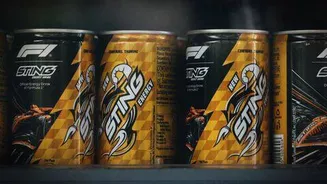
India's food safety regulator, FSSAI, has directed manufacturers to stop using the term 'energy drink' on their products. The directive, which affects major brands like Red Bull, Monster, and PepsiCo's Sting, gives companies 90 days to comply. The regulator's
reasoning is that since there are no official standards for an 'energy drink' in Indian food law, the term could be misleading. Claims of vitalizing the body and mind or aiding general weakness were found to lack a firm scientific basis. As a result, these popular high-caffeine beverages will be rebranded on shelves, forcing consumers to look more closely at the label to understand what they are drinking.
Look for 'Caffeinated Beverage'
So, what will these drinks be called now? Under FSSAI rules, any non-alcoholic beverage containing more than 145 milligrams of caffeine per litre must be labelled as a 'Caffeinated Beverage'. This will now be the primary identifier for these products. This change aims to provide clarity and shift the focus from a vague promise of 'energy' to the primary active ingredient: caffeine. The regulation also sets a maximum permissible caffeine limit of 300 mg per litre, regardless of its source. This ensures that while the marketing name is gone, the products themselves are still held to a specific safety standard.
Decoding Caffeine Content
The most critical piece of information on the new label is the caffeine content. The label must declare 'High Caffeine' and specify the exact quantity. To put this in perspective, the maximum limit of 300 mg/litre means a standard 250ml can could contain up to 75 mg of caffeine. The FSSAI also mandates a warning that consumers should 'Consume not more than 500 ml per day'. This makes it easier to track your intake. If you have two 250ml cans in a day, you have reached the recommended daily consumption limit for that specific product type, a crucial fact that was previously obscured by flashy marketing.
Understanding the Ingredient List
Beyond caffeine, the ingredient list offers the real story. In India, ingredients must be listed in descending order by weight. If sugar or a form of it (like high-fructose corn syrup) is one of the first few ingredients, you know the drink is primarily sugar water. FSSAI standards also limit the addition of vitamins like B1, B2, B3, B6, and B12 to 100% of the Recommended Daily Allowance (RDA) per serving. You'll also see other common additives like taurine and inositol. While often included in so-called 'energy blends', the tangible benefits of many of these extra ingredients are often debated and not as well-established as the effects of caffeine and sugar.
Pay Attention to Warning Labels
One of the most important parts of the new labelling is the mandatory advisory statement. Every caffeinated beverage must prominently display the warning: “Not recommended for children, pregnant and lactating women, persons sensitive to caffeine”. This is a non-negotiable safety requirement. The previous 'energy drink' branding often made these drinks appealing to younger audiences, but this clear warning places the health risks front and center. The enforcement of these rules has already begun in some states, with authorities seizing products and directing e-commerce platforms to delist items marketed as 'energy drinks'.