






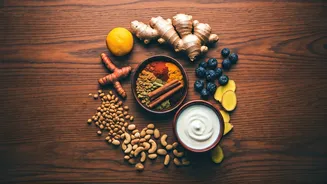


Embrace Immunity-Boosting Foods
Your first line of defence against monsoon-related illnesses is a strong immune system. The damp, humid weather is a breeding ground for germs, so it's wise to power up your body's natural defences. Incorporate traditional powerhouses like ginger, garlic,
and turmeric into your daily meals. Ginger and garlic have potent antibacterial and antiviral properties, perfect for warding off colds and flu. A warm cup of ginger tea can also soothe a sore throat. Turmeric, with its active compound curcumin, is a fantastic anti-inflammatory agent. Add a pinch to your milk or curries. Also, stock up on seasonal fruits like pomegranates, jamuns, and cherries. They are packed with antioxidants that help fight off free radicals and strengthen your immunity.
Be Smart About Street Food
The craving for spicy chaat, crispy samosas, and piping hot pakoras intensifies when it rains. While indulging this craving is part of the monsoon experience, it's a major source of water-borne diseases like typhoid and cholera. Water and ingredients used by street vendors can be easily contaminated during this season. If you can't resist, choose vendors with impeccable hygiene standards—those who use gloves, store food in covered containers, and have a clean setup. The safest bet? Recreate your favourite street food at home. It’s a fun activity and ensures that you are using fresh ingredients and clean water, allowing you to enjoy the flavours without the health risks.
Handle Leafy Greens with Care
It might sound counterintuitive to avoid vegetables, but leafy greens like spinach, cabbage, and cauliflower require extra caution during the monsoon. The high moisture content in the air and soil makes them susceptible to dirt, grime, and microbial growth that can be hard to wash off completely. If you do consume them, be extra diligent. Soak them in saltwater or a vinegar-water solution before rinsing thoroughly under running water. It’s crucial to cook them well to kill any remaining bacteria. Better yet, switch to vegetables with thick skins or those that grow away from the ground. Gourds like lauki (bottle gourd), turai (ridge gourd), and karela (bitter gourd) are excellent and safe choices for the season.
Opt for Light, Cooked Meals
According to Ayurveda, the body's digestive fire, or 'agni', is weaker during the monsoon. This makes it harder to digest heavy, oily, and fried foods, often leading to bloating, indigestion, and gas. Instead of rich curries and deep-fried snacks, opt for light and easily digestible meals. Warm soups are your best friend during this season—they are hydrating, nourishing, and easy on the stomach. A simple dal or a wholesome khichdi can be incredibly comforting and healthy. Steamed vegetables and grilled proteins are also excellent choices. Eating light doesn't mean eating bland; use a variety of spices to add flavour and aid digestion.
Hydrate the Right Way
You might not feel as thirsty due to the lower temperatures, but staying hydrated is just as important during the monsoon. However, be extremely careful about your water source. Tap water and water from unverified sources can be a major carrier of pathogens. Always drink boiled, filtered, or purified water. Carry your own water bottle when you go out. A great way to stay hydrated and boost immunity is by drinking herbal teas. Brews made with tulsi, lemongrass, mint, or cinnamon are not only delicious but also have therapeutic properties that help keep infections at bay. Avoid carbonated drinks and sugary juices, as they can weaken your immune system and lead to further dehydration.
Go Easy on Seafood and Dairy
The monsoon is the breeding season for fish and other marine life, which means the supply isn't always fresh. The risk of contamination is also significantly higher. It’s best to limit or avoid seafood, especially shellfish, during these months. If you must have it, ensure it is from a trusted source and cooked thoroughly. Similarly, be cautious with dairy products. Milk and its derivatives can spoil quickly in humid weather. They are also known to increase mucus production, which can aggravate coughs and colds. If you are prone to respiratory issues, consider limiting your intake of yoghurt, paneer, and heavy creams, or opt for lighter alternatives.