








Understanding The Core Pattern
When experts talk about a healthy 'core pattern' for eating, they are often referring to a plant-forward diet. This isn't a strict vegetarian or vegan regimen, but rather a flexible style of eating that prioritizes plant-based foods. This approach, supported
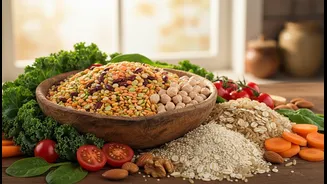
by global health bodies like the EAT-Lancet Commission, emphasizes making vegetables, fruits, whole grains, and plant-based proteins the stars of your plate. The goal is to build meals around nutrient-dense ingredients that are associated with lower risks of chronic diseases like heart disease and type 2 diabetes. The best part is that this pattern is not about restriction or exotic ingredients; it’s about celebrating the wholesome foods that have been staples in diets around the world, including India, for centuries.
The Power Of Pulses
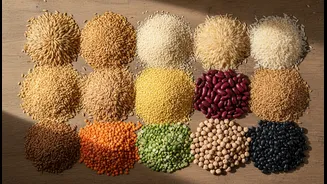
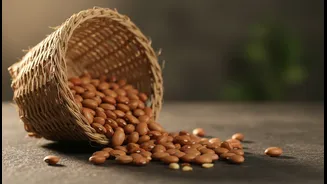
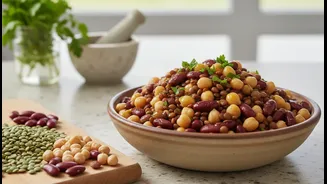
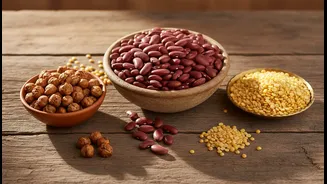
Pulses—the family of dals, beans, chickpeas, and lentils—are a cornerstone of this healthy pattern and a powerhouse of nutrition. For many in India, they are already a daily staple. Pulses are packed with plant-based protein, making them an excellent alternative to meat. A single serving can provide a significant portion of your daily protein needs. They are also exceptionally high in dietary fibre, which aids digestion, helps you feel full longer, and plays a role in managing blood sugar and cholesterol levels. Being affordable and versatile, pulses can be seamlessly worked into everything from traditional dal and sambar to salads and snacks, making them one of the easiest and most effective ways to boost the nutritional value of your meals.
The Foundation of Colourful Vegetables
It’s no secret that vegetables are good for you, and they form the largest part of a healthy plate in this core pattern. The key is variety. Eating a rainbow of vegetables ensures you get a wide spectrum of vitamins, minerals, and antioxidants that are vital for everything from boosting your immune system to protecting your cells from damage. In an Indian context, this is easily achievable with the vast array of locally available produce, from leafy greens like spinach and fenugreek to gourds, beans, carrots, and brinjal. Health guidelines recommend aiming for about half your plate to be filled with vegetables and fruits. Whether cooked into a sabzi, added to a dal, or eaten raw as a salad, increasing your vegetable intake is a fundamental step towards better health.
Why Whole Grains Matter
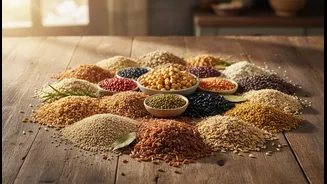
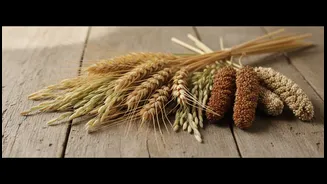
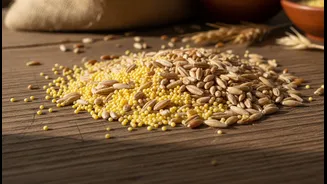
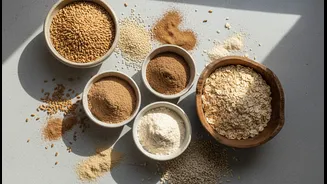
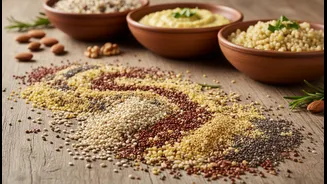
Whole grains are another crucial component. Unlike refined grains like white rice and maida, which have had their nutrient-rich outer layers removed, whole grains contain the entire kernel—bran, germ, and endosperm. This means they retain their fibre, B vitamins, iron, and other important nutrients. In India, this includes staples like whole wheat (atta), brown rice, and a variety of millets such as jowar, bajra, and ragi. Regular consumption of whole grains is linked to a lower risk of several chronic diseases. Swapping refined grains for whole versions is a simple but powerful change. This could mean choosing millet rotis over white rice, opting for brown rice in your khichdi, or starting your day with a bowl of oats.
A Handful of Goodness With Nuts
Nuts and seeds might be small, but they pack a major nutritional punch. They are a rich source of healthy unsaturated fats, protein, fibre, and essential micronutrients. Almonds, walnuts, peanuts, and seeds like flax and chia are all excellent additions to a healthy diet. The healthy fats in nuts are beneficial for heart health, while their combination of protein and fibre helps with satiety, making them a great snack to keep hunger at bay between meals. A small handful is all you need to reap the benefits. You can add them to your morning cereal, sprinkle them over yogurt or salads, or simply enjoy them on their own as a smart, satisfying snack that fits perfectly within this core pattern of healthy eating.