





From the Farm to Your Plate
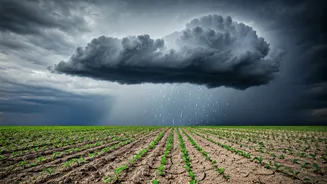
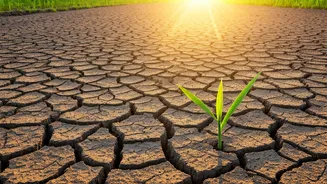
The most immediate and visible impact of changing rainfall is on agriculture. India's farming sector, which supports nearly half the population, remains heavily dependent on the monsoon, which delivers about 70% of the country's annual rainfall. Erratic
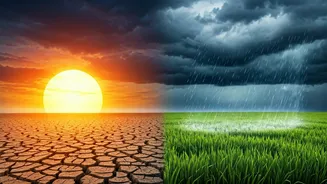
or deficient rains directly threaten the sowing and yield of crucial kharif crops like rice, pulses, soybeans, and cotton. For instance, a delayed monsoon can disrupt sowing schedules, while prolonged dry spells or, conversely, intense flooding can destroy standing crops. This volatility in production leads to supply shortages, driving up the prices of staples like vegetables, pulses, and edible oils. This isn't a distant problem; it translates directly into a higher grocery bill for every household and raises the spectre of widespread food inflation. The government often has to step in with contingency plans, such as urging farmers to switch to less water-intensive crops and managing buffer stocks of grains like rice and wheat to prevent severe shortages.
The Stock Market's Rain Dance
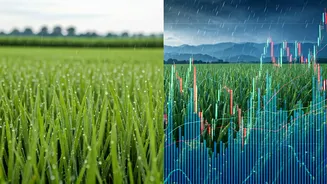
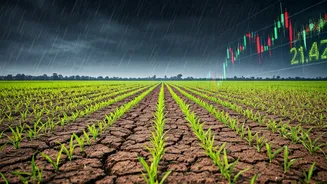
The financial markets watch the skies as closely as farmers do. A healthy monsoon is often seen as a direct stimulus for the economy, boosting rural incomes and, consequently, rural demand. When farmers have a good harvest, they have more disposable income, which fuels spending on a wide range of goods. This has a significant positive effect on several key sectors on the stock market. Companies in the Fast-Moving Consumer Goods (FMCG) sector, which sell everything from soap to biscuits, see a surge in sales. Likewise, demand for automobiles, particularly two-wheelers and tractors, rises in rural areas. Sectors providing agricultural inputs, such as fertilizers and agrochemicals, also perform well during a good monsoon season. Conversely, a weak monsoon can dampen investor sentiment, leading to sluggish performance in these rain-sensitive stocks as markets anticipate a slowdown in rural consumption.
The Broader Economic Ripple Effect
The impact of rainfall extends far beyond just food and farm-related stocks. Food prices have a substantial weight in India's overall Consumer Price Index (CPI), meaning a spike in food costs can drive up national inflation. This puts pressure on the Reserve Bank of India (RBI), which is tasked with keeping inflation in check. A weak monsoon and rising inflation can limit the central bank's ability to cut interest rates, which in turn affects everything from home loan EMIs to the cost of business credit. The RBI and other financial institutions have flagged a below-normal monsoon as a key risk to India's growth and inflation outlook. Furthermore, extreme weather events like floods and droughts place a massive strain on the insurance sector, which has to cover crop failures and damage to property and infrastructure.
A Climate of Long-Term Risk
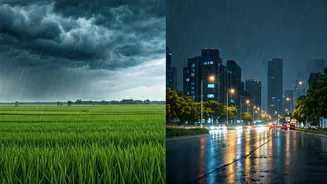
Increasingly, the conversation is shifting from seasonal monsoon performance to the long-term financial risks posed by climate change. Scientific studies indicate that climate change is making India's monsoon more erratic, with a higher frequency of extreme weather events like intense downpours and extended droughts. This unpredictability is no longer just a farming issue; it is a structural economic risk. Financial institutions and investors are beginning to factor climate resilience into their long-term planning. Infrastructure projects, especially in coastal cities like Mumbai, face threats from both rising sea levels and more intense rainfall, requiring massive investment in climate-resilient urban planning. For the financial world, unpredictable weather patterns mean greater uncertainty, higher risk premiums, and a growing need to invest in businesses and infrastructure that are built to withstand a more volatile climate future.