


More Than Just Colour
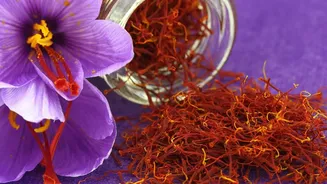
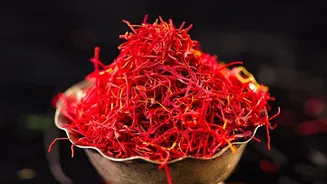
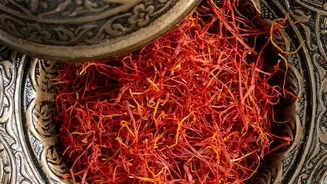
Saffron is the world's most expensive spice for a reason. Harvested by hand from the Crocus sativus flower, each bloom yields just three delicate red stigmas, or threads. It takes around 150,000 flowers to produce a single kilogram. But its value lies
beyond its rarity. True saffron offers a complex sensory experience: a floral and honey-like aroma with earthy undertones, and a taste that is distinctively bittersweet. This unique profile is what makes it a prized ingredient, capable of transforming a simple dish into something truly special. Understanding its precious nature is key to using it wisely; a little goes a long way, and proper technique ensures none of that liquid gold goes to waste.
Spotting the Real Deal
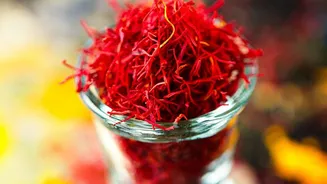
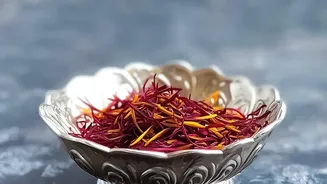
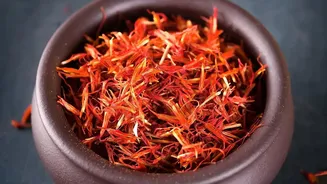
Because genuine saffron is so valuable, the market is unfortunately filled with fakes, from dyed corn silk to safflower petals. To ensure you are buying authentic saffron, always opt for whole threads rather than powder, which can be easily adulterated. Real saffron threads are trumpet-shaped, flaring at one end. They should be a deep, uniform red. While it smells sweet, real saffron tastes slightly bitter on the tongue; if it tastes sweet, it may have been coated with sugar to add weight. The most reliable home test involves cold water: drop a few threads into a glass of cool water. Real saffron will slowly release a golden-yellow colour over 10 to 15 minutes, while the threads themselves remain red. Fakes often bleed a reddish or orange dye almost immediately and may lose their colour entirely.
The Secret is Blooming
The single most important technique for cooking with saffron is 'blooming'. Simply tossing dry threads into a dish is a common mistake that yields weak, uneven flavour and colour. The compounds responsible for saffron's character are locked inside the dried threads and need hydration to be released. Blooming is the process of steeping the saffron in a small amount of warm liquid before adding it to your main recipe. This unlocks the crocin (colour), safranal (aroma), and picrocrocin (flavour), ensuring they are fully expressed and distributed evenly. This simple but crucial step is the difference between a pale, disappointing result and a dish that truly sings with saffron’s complexity.
Your Foundational Kesar Doodh Recipe
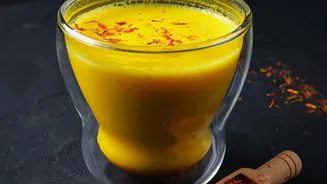
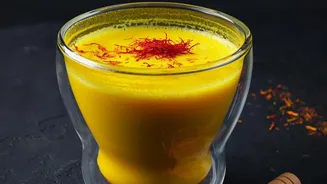
This basic recipe for one serving is the perfect starting point. You will need about a cup of milk (whole milk works best) and 5-10 good quality saffron threads. First, gently warm two tablespoons of the milk in a small bowl until it is warm to the touch but not boiling—boiling can damage saffron's delicate aroma. Lightly crush the saffron threads between your fingers and add them to the warm milk. Let this mixture steep, or bloom, for at least 15-20 minutes. You will see the milk turn a deep golden colour. While the saffron blooms, gently heat the rest of the milk in a saucepan until steaming. Once the saffron has bloomed, stir the entire infusion—both the golden liquid and the softened threads—into the pot of warm milk. Sweeten to taste with sugar or honey and serve warm.
Common Mistakes To Avoid
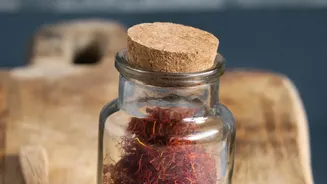
To get the best results, avoid these common pitfalls. The most frequent error is not blooming the saffron at all. Adding threads directly to a dish prevents their full flavour from being released. Another mistake is using boiling liquid. Excessive heat can scorch the delicate flavour compounds, especially the aroma. Always use warm, not boiling, liquid for blooming. Using too much saffron is another easy error; more is not better. An excess of saffron can make a dish unpleasantly bitter or medicinal. A small pinch is usually sufficient for most recipes. Finally, be wary of buying pre-ground saffron powder. It is not only hard to verify its authenticity, but it also loses its potency much faster than whole threads.
Beyond a Simple Drink
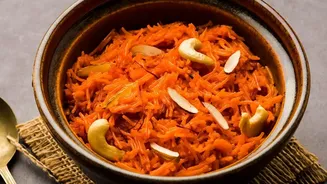
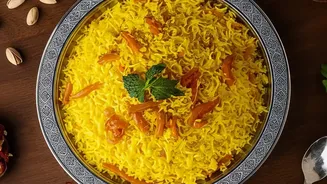
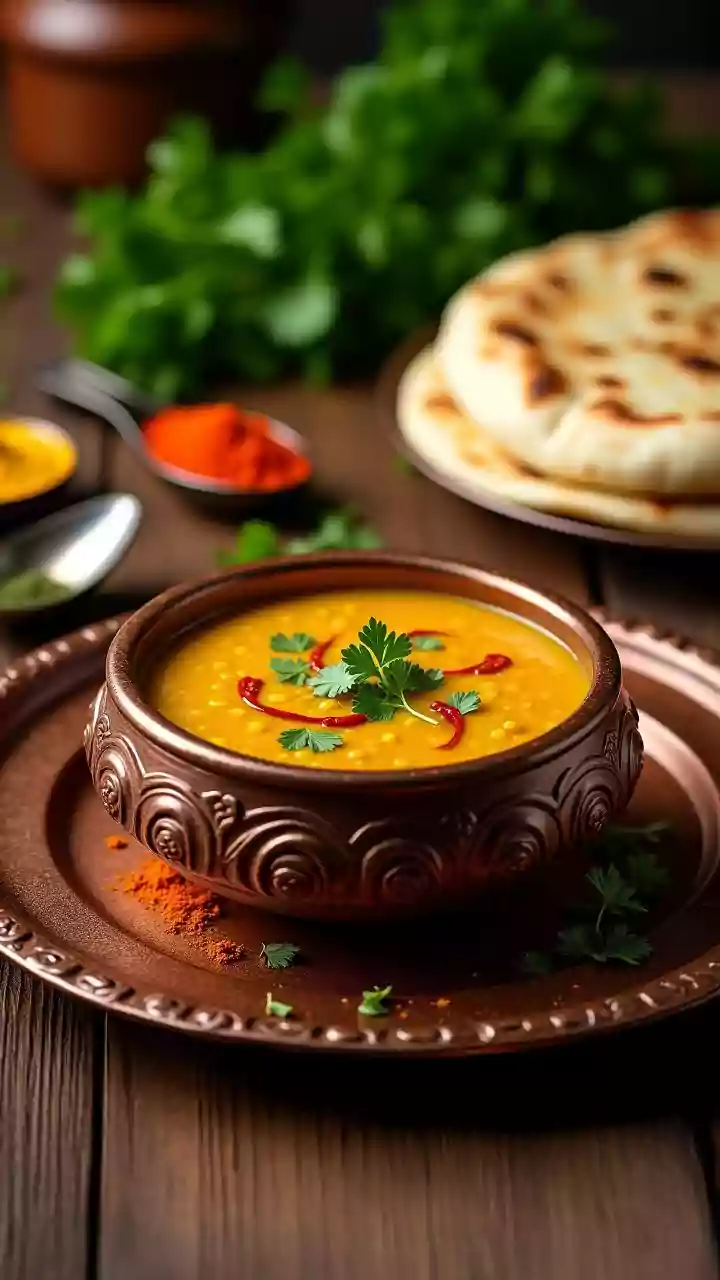
Once you have mastered saffron-infused milk, you can use it as a flavour base in a wide array of Indian sweets and savouries. This golden liquid is the foundation for desserts like kheer (rice pudding), phirni (ground rice pudding), and various types of halwa or sheera. The blooming technique remains the same: create your saffron infusion and add it to the dessert as it cooks. The same principle applies to savoury dishes. For a fragrant biryani or pulao, you can bloom the saffron in a bit of warm milk or water and drizzle it over the cooked rice to create beautiful colour and aroma. This foundational skill of blooming saffron is your gateway to incorporating its luxurious flavour across your cooking.