

What Is a Flexible Holiday?
Forget the idea that a flexible holiday just means buying a flight ticket that allows you to change your dates. While that’s part of it, the trend is much deeper. For Gen Z, a flexible holiday is a mindset that rejects rigid, pre-planned itineraries in favour
of open-ended, spontaneous experiences. It encompasses everything from 'workations' that blend professional life with leisure, to 'bleisure' trips where business travel is extended for personal exploration. It also includes 'slow travel', where travellers immerse themselves in one location for an extended period rather than rushing through a checklist of cities. A recent Airbnb report found that 95% of Indian Gen Z travellers want their trips to feel personal and unique, not pre-planned. This means leaving room for unplanned discoveries, whether it's a hidden cafe, a local festival, or simply a day spent doing nothing at all.
The 'Why' Behind the Trend
Several factors are driving this shift. The rise of remote and hybrid work has untethered young professionals from the traditional office, making it possible to work from a Goan beach or a Himalayan cottage. But the reasons are also emotional. Travel has become an act of self-expression and a tool for mental wellness. According to one report, 87% of Indian Gen Z travellers agree that the way they travel reflects who they are as a person. They are trading the stress of 'seeing it all' for the joy of 'feeling it all'. This generation prefers taking multiple short trips over one long annual holiday. Seven in ten would rather take three short getaways than one big vacation, transforming travel from a once-a-year event into a regular lifestyle habit.
How It's Different from Traditional Travel
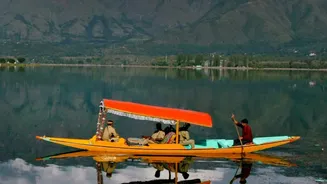
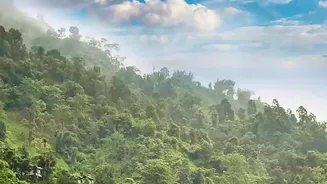
The traditional Indian family holiday often involved months of planning and saving for one major trip. In contrast, Gen Z's flexible approach is far more spontaneous, with two-thirds booking their trips within just days or weeks of departure. Their accommodation choices are also different; more than half prefer staying in a single shared home over separate hotel rooms when in a group, prioritizing companionship. The destination itself is often secondary to the experience and the company. Instead of ticking off famous landmarks, this generation is drawn to nature, slower experiences, and local culture. Destinations like Wayanad, Dehradun, Jibhi, and the Kerala coast are popular not for their fame, but for the feeling they evoke.
Technology and a New Travel Economy
This trend couldn't exist without the technology that enables it. Travel apps, flexible booking platforms, and social media for inspiration have made spontaneous travel easier than ever. Over 80% of Gen Z globally use their smartphones to research and book trips. In India, 87% feel confident using AI to help plan their travels. This digital fluency allows them to pivot plans on the fly. An entire ecosystem has risen to meet this demand. Airlines and travel portals now offer more flexible fare options that remove hefty change fees, allowing travellers to adjust dates without a major penalty. The growth of homestays, hostels, and co-working spaces in tourist towns across India also provides the infrastructure needed for workations and slow travel.