




The Viral Echo of Social Media
The single biggest driver of this retro revival is the bite-sized world of social media. Platforms like Instagram Reels thrive on short, emotionally resonant content, and classic songs are a perfect fit. A 15-second clip of Lata Mangeshkar’s “Hum Tere
Pyaar Mein” or Mohammad Rafi’s “Kya Hua Tera Waada” can instantly convey a mood, whether it's romance, friendship, or gentle melancholy. For creators, these songs are a safe bet; they come with a built-in sense of familiarity that new music has to work hard to achieve. Algorithms, in turn, reward this familiarity. When a video using a classic song gets high engagement, it gets pushed to more feeds, creating a viral loop that can resurrect a forgotten gem and place it alongside today’s biggest hits. This has turned passive listening into an active trend, with users building entire aesthetics around the feeling these old songs evoke.
The Remix and Reimagination
Beyond social media, a new wave of musicians and DJs is breathing fresh life into timeless tracks. The culture of remixing isn't new—the early 2000s saw bands like Bombay Vikings create sensations with their versions of classics like “Kya Soorat Hai”. Today’s remixes, however, are often more integrated. Artists like Sanam have built a massive following by giving songs such as “O Mere Dil Ke Chain” a contemporary, band-focused twist. The goal is often to strike a delicate balance: preserving the soul of the original while adding modern production or a fresh beat. This can be lucrative, tapping into nostalgia for older listeners while appealing to a new audience. However, it's a move that can be controversial. When a remix is seen as carelessly altering an iconic track, it often faces backlash from audiences who hold a deep personal connection to the original.
The Magic of Live Performances
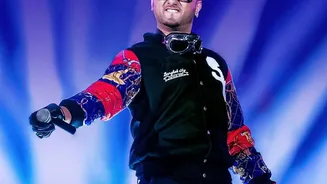
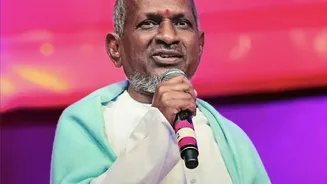
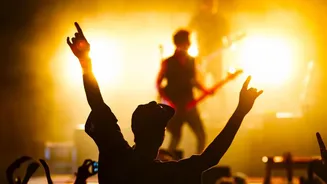
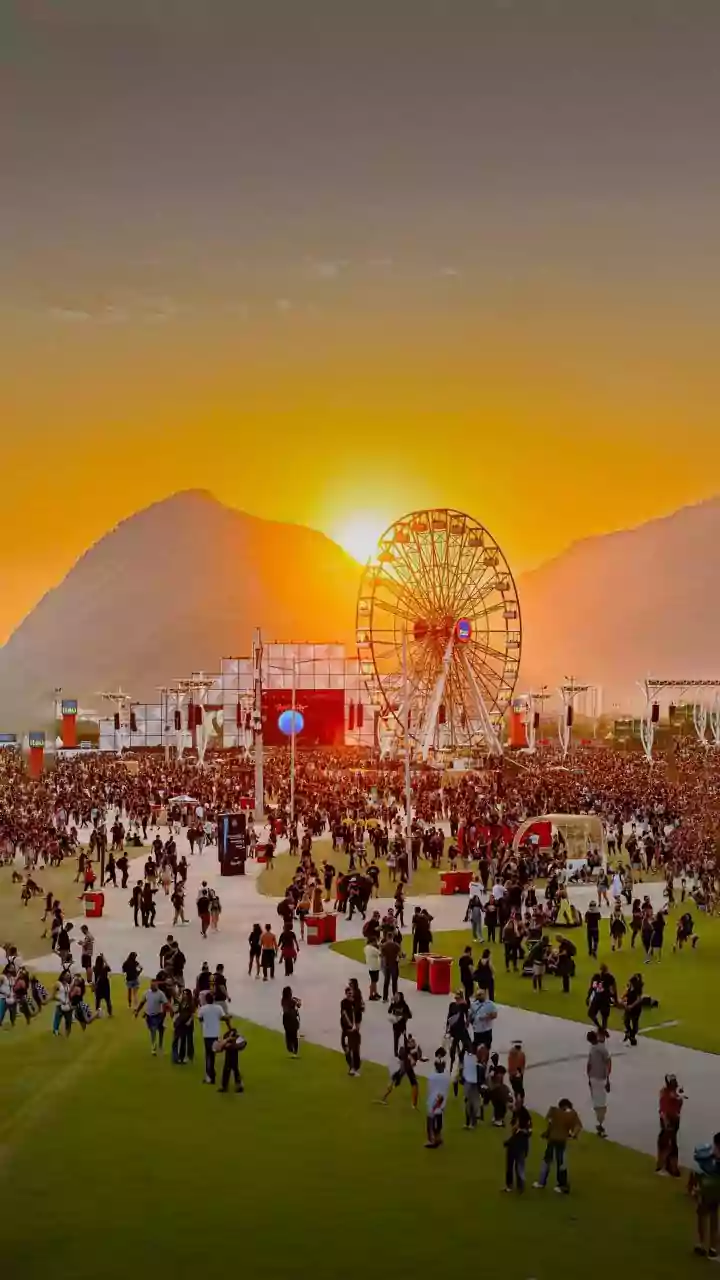
The revival isn't just happening on screens; it's a thriving part of India's live music scene. From large-scale tours by legends like Hariharan to tribute concerts and open mic nights in city cafes, there is a growing appetite for experiencing these classics in a communal setting. Artists who gained fame online for their cover versions, such as Shirley Setia and Rahul Vaidya, are now major draws at live events. These shows offer a different kind of connection—the shared experience of singing along to a beloved song in a crowd is something a playlist can't replicate. Events like 'The Bollywood Symphony' by DJ Yogii are taking it a step further, reimagining timeless melodies with the grandeur of a live orchestra, creating an immersive journey through Bollywood's musical history. This trend underscores a desire for tangible, shared cultural moments.
A Search for Authenticity
So, why this sudden turn to the past? For many young listeners, it's a reaction to the perceived homogeneity of modern music. They often describe older songs as having more “emotional depth” and “honesty”. In an era of algorithm-driven hits and auto-tuned vocals, the raw emotion in the voices of Kishore Kumar or Asha Bhosle offers a sense of authenticity. This turn towards nostalgia isn't limited to music; it's a broader cultural and marketing trend. Brands have found that tapping into shared memories creates a powerful emotional connection with consumers. For Gen Z, a generation that grew up in a hyper-digital world, these songs represent a connection to a simpler, perhaps more grounded, past. It’s less about just the music and more about the feeling of warmth and familiarity it provides in a fast-paced world.