





Eating for Your Stage of Life
Nutritional needs are not static; they evolve throughout our lives. For infants and toddlers, nutrient-dense foods are crucial for rapid growth and brain development. The American Heart Association recommends breastfeeding as the ideal nutrition for the first
4-6 months, followed by a careful introduction of solid foods. Children aged 2 to 8 require a balanced intake to fuel growth, with caloric needs gradually increasing. Adolescents going through growth spurts have higher energy demands, needing adequate protein, calcium, and iron to support their development. As we move into adulthood, our metabolism begins to slow, and our focus shifts to maintaining a healthy weight and preventing chronic disease. For older adults, nutrient absorption can become less efficient, making it vital to consume protein to preserve muscle mass and calcium and Vitamin D for bone health.
Fueling Your Daily Movement
Your activity level is a major factor in determining your dietary needs, particularly when it comes to calories. A person with a sedentary desk job simply does not require the same energy intake as an athlete or a construction worker. Physical activity increases the number of calories your body burns, creating a need for more fuel. Carbohydrates are the body's preferred source of energy for physical exertion, while protein is essential for repairing and rebuilding muscle tissue after a workout. Studies show that physically active individuals often have a better sense of their body's hunger and satiety cues, leading to more intuitive eating habits. Conversely, a lack of physical activity can sometimes be linked with more restrictive or emotionally driven eating patterns.
The Importance of the Cultural Kitchen
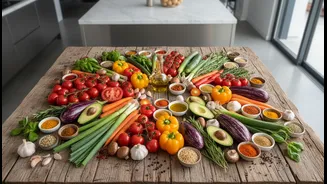
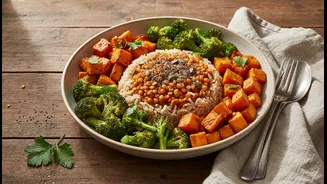
Food is deeply intertwined with culture, identity, and tradition. A truly healthy diet respects and incorporates these cultural connections. Many traditional diets around the world, including many in India, are inherently healthy, built around whole grains, legumes, vegetables, and spices. Forcing someone to abandon their cultural foods for a generic 'healthy' diet can be alienating and unsustainable. Instead, the focus should be on adapting and modifying traditional meals. For instance, a dish that is traditionally deep-fried could be baked or grilled, or the amount of salt and oil could be reduced without losing the essence of the meal. Health professionals are increasingly recognising the need for 'cultural humility'—an approach that respects a patient's background and works with them to create a diet that is both nourishing and culturally appropriate.
The Reality of Access and Affordability
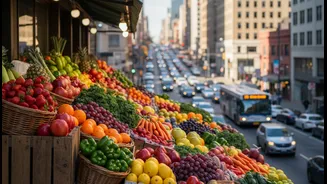
The ability to eat healthily is not just about individual choice; it is heavily influenced by socioeconomic factors. 'Nutrition security' refers to having consistent access to foods that support well-being. In many areas, especially those with lower incomes, access to affordable, fresh, and nutritious food is limited. These 'food deserts' are often dominated by convenience stores selling processed items high in calories, sugar, and sodium, while fresh produce is scarce and expensive. Studies in India and abroad show a clear link between socioeconomic status and dietary quality. Lack of access to healthy food is associated with higher rates of chronic diseases like diabetes and heart disease. Addressing healthy eating on a societal level means tackling these disparities and ensuring everyone has a fair chance to access the foods they need to thrive.