







Why the Monsoon is a Minefield for Food Safety
The monsoon season creates the perfect storm for digestive issues. The combination of high humidity and ambient temperatures provides an ideal breeding ground for bacteria, viruses, and fungi. [16] This microbial growth accelerates food spoilage, making
items go bad much faster than in drier weather. [17] Furthermore, heavy rains can lead to waterlogging and contamination of municipal water supplies with sewage and other pollutants. [7, 11] This contaminated water may be used to wash vegetables or in food preparation, especially by outside vendors, introducing harmful pathogens like E. coli and Salmonella right at the source. [15, 13] This means that everything from street food to fresh produce carries a heightened risk. [2]
The Office Lunchbox: A Hidden Hazard
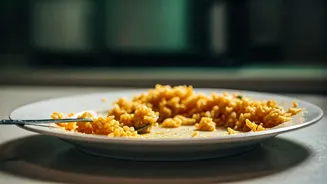
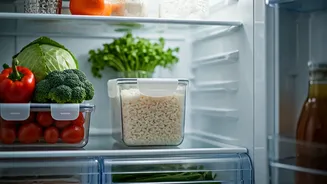
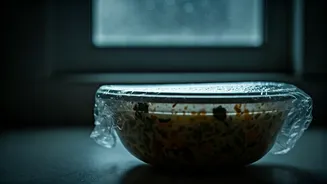
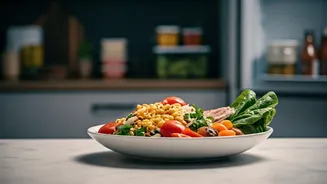
Your office lunch, whether it's a home-cooked meal in a dabba or a takeaway, is particularly vulnerable. Food prepared hours before it's eaten, transported through humid conditions, and then often left at room temperature on a desk, sits in a 'danger zone' where bacteria can multiply rapidly. [17] Condensation can build up inside lunch containers, creating even more moisture for germs to thrive. [17] Even seemingly safe options can pose a risk. A leafy green salad, for example, is difficult to wash thoroughly and can harbour germs, while curd-based dishes like raita or kadhi can ferment quickly in the heat. [17, 5] Leftover food from the previous night is also a common cause of trouble if not cooled and refrigerated promptly and reheated properly. [6]
Smart Food Choices for Your Tiffin
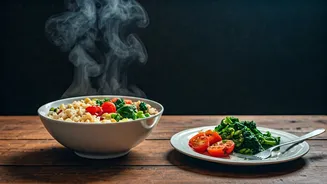
The key to a safe monsoon lunch is to choose foods that travel well and are less prone to spoilage. Opt for dry or semi-dry preparations over watery gravies. [22] Think along the lines of bhindi fry, aloo jeera, or a well-cooked dal. [22] Instead of raw salads, which are a major risk, switch to cooked vegetable preparations or soups. [8, 12] Light, easily digestible meals are better, as the digestive system can be sluggish during this season. [11] Foods rich in immunity-boosting properties, such as those cooked with ginger, garlic, and turmeric, can also be beneficial. [6, 21] For carbohydrates, well-cooked rice, theplas, or parathas are generally safer than moist rice dishes which can ferment. [17]
Rethink Raw Foods and Street Snacks
This is the season to be extra cautious about anything uncooked. Avoid raw vegetables, pre-cut fruits, and chutneys, especially from street vendors. [16, 20] These items are often prepared with untreated water and can be a direct source of infections like typhoid and gastroenteritis. [13, 20] While a hot, freshly fried snack like a samosa or pakora from a hygienic vendor might be safer because the high heat kills germs, items like pani puri, where the water is a primary ingredient, should be strictly avoided. [18] If you must eat out, choose establishments that visibly maintain high standards of cleanliness. [9]
Packing and Handling Best Practices
How you pack your lunch is as important as what you pack. Always allow hot food to cool down completely before closing the lid of your container; this prevents steam from creating extra moisture. [17] Use clean, dry, and preferably airtight containers; stainless steel is often recommended over plastic. [9, 17] When you get to the office, if you have access to a refrigerator, use it. [23] If not, keep your lunch bag in the coolest, driest part of the office. Before eating, always wash your hands thoroughly with soap and water. [3, 6] If possible, reheat your food until it is steaming hot, as this will kill off most harmful bacteria that may have developed. [6]