




The New Blueprint for India's Space Ambitions
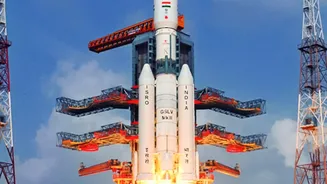
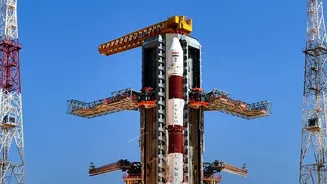
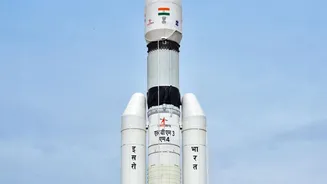
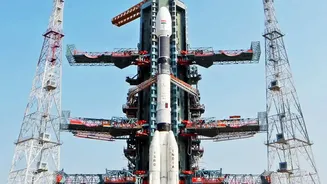
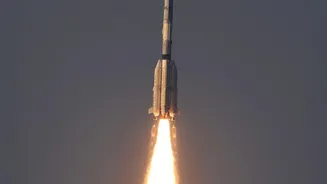
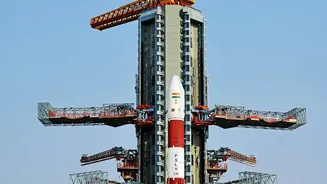
The foundation of this transformation is the Indian Space Policy 2023, a comprehensive framework designed to liberalise the nation's space sector. For decades, the Indian Space Research Organisation (ISRO) has been the sole custodian of India's space aspirations.
The new policy redefines its role, positioning ISRO to focus on cutting-edge research, development, and deep space exploration. This allows private companies, now termed Non-Governmental Entities (NGEs), to take the lead in commercial space activities. The policy is supported by a clear division of labour among key institutions. IN-SPACe (Indian National Space Promotion and Authorisation Centre) has been established as a single-window agency to authorise, promote, and regulate all private space activities. Think of it as the new front door for any private company wanting to launch a satellite or build rocket components.
Opening the Doors to Global Investment
Perhaps the most significant change is the liberalisation of Foreign Direct Investment (FDI) rules, which were amended in early 2024. Previously, foreign investment was highly restricted, but the new policy creates clear, tiered entry routes. Now, up to 100% FDI is allowed under the automatic route for manufacturing components and subsystems. For more complex operations like satellite manufacturing, the automatic limit is 74%, and for launch vehicles and spaceports, it is 49%. Anything beyond these thresholds requires government approval. This move is a clear signal to the global aerospace market that India is open for business. By attracting foreign capital and technology, the government aims to create a vibrant ecosystem where Indian companies can build world-class products and services, not just for the domestic market, but for the world.
From Billions to Tens of Billions
The economic stakes are astronomical. India’s space economy, currently valued at around $9 billion, contributes about 2% to the global market. With these new policies in place, the government and industry experts project this figure to skyrocket. Forecasts suggest the Indian space economy could reach between $40 billion and $45 billion by 2033. This growth is expected to be fuelled by a surge in private enterprise. The number of space startups has already exploded from just a handful a decade ago to over 400 today, with firms like Skyroot Aerospace and Agnikul Cosmos developing launch vehicles and Pixxel building satellite constellations. These companies are not just vendors to ISRO anymore; they are poised to become end-to-end service providers on the global stage.
The Path to a Commercial Space Hub
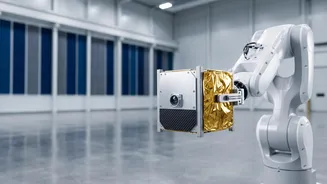
The new framework strategically repurposes government bodies to support this commercial drive. NewSpace India Limited (NSIL), ISRO’s commercial arm, is now tasked with marketing space technologies and arranging launch services on a commercial basis, effectively acting as a bridge between ISRO's capabilities and market demand. This allows private players to access ISRO's decades of expertise and world-class facilities, significantly lowering the barrier to entry. The policy permits NGEs to establish and operate their own ground stations, launch pads, and satellite systems. By creating a level playing field, the rules encourage competition and innovation in areas like satellite communications, Earth observation data, and navigation services.
Challenges on the Final Frontier
While the new policies provide a powerful launchpad, the journey is not without its challenges. The Indian space sector faces intense global competition from established giants and nimble startups in the US, Europe, and China. Attracting the necessary scale of investment remains a hurdle; funding for Indian space startups, while growing, is still a fraction of what their American counterparts raise. Furthermore, a comprehensive legislative framework, in the form of a Space Activities Bill, is still needed to provide legal clarity on complex issues like liability and insurance. Building a pipeline of skilled talent in specialised fields like propulsion and avionics is also critical for sustaining long-term growth and moving beyond a reliance on imported high-tech components.