
Start by Assessing Your Light
Before you buy a single pot, become a light detective in your own home. A plant’s survival depends on light for photosynthesis, its process for creating food. What our eyes perceive as 'bright' is very different from what a plant needs. Take a day to observe
how sunlight moves through your rooms. Notice which windows get direct sunbeams and for how long. A simple way to categorise your light is by looking at the windows. In the northern hemisphere, south-facing windows typically offer the strongest, 'high' light, while north-facing windows provide the 'low' light. East and west-facing windows usually fall into the 'medium' light category. However, this can be affected by nearby buildings, trees, or even large roof overhangs that cast shadows. If you can comfortably read a book in a spot without artificial light, it's likely medium to bright indirect light. If reading requires some effort, it's probably low light.
Understand Your Home’s Climate
Humidity, or the amount of moisture in the air, is another critical factor. Many popular houseplants are tropical natives that evolved in steamy rainforests. In contrast, many apartments, especially those with air conditioning, have very dry air. This can cause leaf tips to turn brown and crispy. Different rooms in your home have different microclimates. Bathrooms, for example, are naturally humid environments thanks to steam from showers, making them ideal for certain plants. Kitchens can also have higher humidity. Living rooms and bedrooms, particularly if air-conditioned or near a heating vent, tend to be much drier. The goal isn't to force a humidity-loving fern to survive in a dry living room, but to choose a plant that is naturally suited to the conditions you already have.
Plants for Low-Light Corners
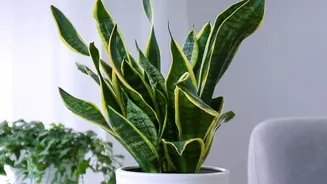
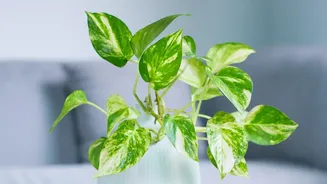
Low light doesn't mean no light, but many Indian apartments have corners or rooms that don't receive direct sun. These are perfect spots for some of the most resilient and popular houseplants. The Snake Plant (Dracaena trifasciata) is almost indestructible, tolerating neglect and low light with ease. Similarly, the ZZ Plant (Zamioculcas zamiifolia) has glossy, dark leaves and stores water in its rhizomes, making it incredibly forgiving if you forget to water it. The Money Plant, or Pothos (Epipremnum aureum), is a staple in many Indian homes for a reason; it's a versatile vine that adapts well to lower light and can be grown in soil or water. The Peace Lily (Spathiphyllum) is another excellent choice, as it can produce its elegant white blooms even in shadier spots and visibly droops when it needs water—a helpful signal for beginners.
Choosing for Bright Spots and Humidity
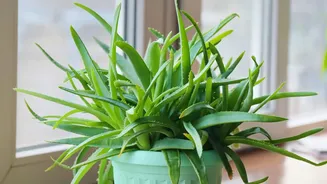
For those brighter, sunnier spots near a window, your options expand. Just remember that 'bright light' for most houseplants means bright but indirect light, as direct sunbeams can scorch their leaves. For rooms with good light and high humidity, like a bright bathroom, consider a Monstera Deliciosa; its famous split leaves often grow larger in humid conditions. Ferns also love the combination of indirect light and steam. If you have a room that is bright but dry, think about plants adapted to arid climates. Succulents like Aloe Vera and the Jade Plant thrive with plenty of light but don't appreciate constant humidity; they prefer their soil to dry out completely between waterings. The sturdy Chinese Evergreen (Aglaonema) is another adaptable choice that handles a range of light conditions and isn't fussy about low humidity.
Putting It All Together
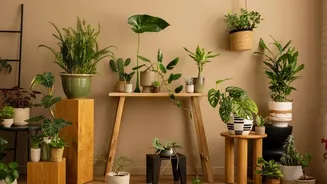
The key to a thriving indoor garden is harmony between the plant and its environment. Instead of bringing a plant home and hoping for the best, start by mapping out your apartment's conditions. Label your spaces: 'bright and dry living room window,' 'shady and cool bedroom corner,' or 'humid and low-light bathroom shelf'. Once you know what kind of environment you can offer, you can choose a plant with confidence. This simple shift in perspective—from fitting a plant into your home to choosing a plant that fits your home—is the most important step. Don't be afraid to move a plant if it doesn't seem happy. Sometimes shifting it just a few feet away from a window or a vent can make all the difference.