





Why Your Balcony Is Ripe for an Orchard
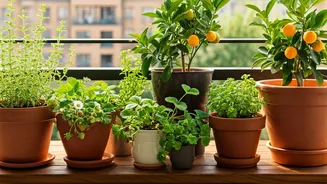
For years, the dream of biting into a homegrown fruit seemed reserved for those with sprawling backyards. Not anymore. A perfect storm of factors is fuelling the rise of the balcony orchard. Innovations in plant breeding have given us a bounty of dwarf
fruit varieties that are perfectly happy in pots. Coupled with a growing desire for fresh, organic produce and the satisfaction of harvesting your own food, urbanites are realizing that a lack of land is no longer a barrier. This isn't just about aesthetics; it’s about sustainability, health, and connecting with nature from your high-rise home. Recent trends show a massive spike in searches for container-friendly fruit plants, proving that city dwellers are ready to cultivate their own sweet rewards.
The Best Fruits for Indian Balconies
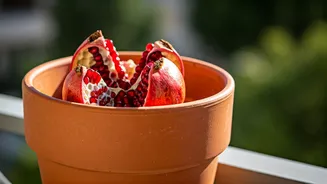
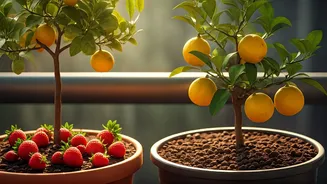
The key to success is choosing the right players for your team. Not all fruit trees can handle pot life, but many thrive in the Indian climate when grown in containers. Look for plants labelled as 'dwarf' or grafted varieties, which are bred for compact size and quicker fruiting. Some of the most reliable choices include: Lemon (Nimbu): All-season lemon varieties are superstars of container gardening. They are low-maintenance and provide a year-round supply of fruit and fragrance. Strawberries: These are arguably the easiest and quickest fruits for beginners. They grow beautifully in hanging baskets or wide pots, often yielding fruit within months. Guava (Amrud): Dwarf and grafted Thai guava varieties stay compact but can produce surprisingly large fruit. They love the sun and are incredibly hardy. Fig (Anjeer): Figs are wonderfully adaptable and one of the easiest fruit trees for pots in India, thriving in warm, sunny spots. * Pomegranate (Anar): The naturally compact and drought-tolerant nature of dwarf pomegranate varieties makes them ideal for balcony life, offering beautiful flowers as a bonus.
Setting Up Your Fruity Paradise
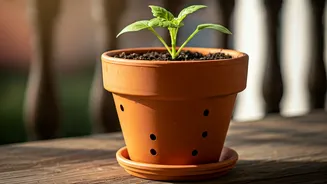
Getting started is simpler than you think. Your primary needs are sunlight, the right container, and good soil. Most fruit-bearing plants require at least five to six hours of direct sunlight per day, so observe your balcony's light patterns before you buy. When it comes to pots, bigger is generally better. A large container holds more soil, which means more room for roots and better moisture retention. Ensure any pot you use has drainage holes at the bottom to prevent waterlogging and root rot. While classic terracotta is great, it can be heavy. Lightweight plastic or fibreglass pots are excellent alternatives. Don't use regular garden soil, which can be too dense and may carry pests. Instead, opt for a high-quality potting mix, often amended with coco peat and compost, to provide the right balance of drainage, aeration, and nutrients.
Care and Harvest
Container plants dry out faster than those in the ground, so consistent watering is crucial. Check the top inch of soil with your finger; if it's dry, it's time to water thoroughly until it runs from the drainage holes. You may need to water daily in hot, windy weather. Fruiting plants are also hungry plants. You'll need to replenish their nutrients with a balanced organic fertiliser or vermicompost every few weeks during the growing season. To ensure a good harvest, you also need pollination. While some plants are self-fertile, planting a few flowering herbs like lavender or thyme nearby can help attract bees and other helpful pollinators to your balcony. With a little patience and care, you’ll soon be enjoying the unparalleled taste of fruit picked fresh from your own urban orchard.