





An AI Watchdog for Cleanliness
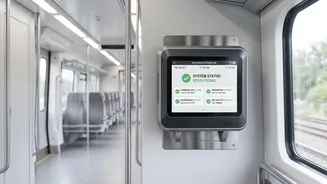
The new system, rolled out by the Northeast Frontier Railway (NFR), is more than just a simple checklist; it's a comprehensive, technology-driven overhaul of onboard housekeeping. At its heart is an AI-based platform designed to supervise cleaning standards
in real time. This isn't about just having supervisors on board; it’s about creating a digital trail of accountability. The system uses tools like geo-tagged service verification and digital staff tracking to ensure that cleaning tasks are not just marked as done, but are actually completed at the right time and place. This move toward digital supervision aims to replace subjective assessments with data-backed proof of service, creating a new layer of transparency in one of the most criticised aspects of train travel.
How It Changes the Passenger Experience
For passengers on these select trains, this initiative promises tangible improvements. The most significant is a two-hour target for resolving passenger complaints related to housekeeping or basic technical issues. Whether it's a dirty washroom, an overflowing dustbin, or a lack of water, passengers can expect faster attention. Dedicated teams are now assigned to handle these specific issues promptly. Furthermore, the system incorporates real-time passenger feedback through mechanisms like star ratings, allowing travellers to directly report on the state of their coach. This feedback loop gives railway officials a clear, immediate picture of where service is succeeding and where it is failing, empowering them to address shortcomings quickly instead of waiting for post-journey reports.
The Five Routes Getting the Upgrade
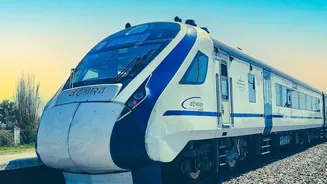
This ambitious project is currently being implemented on five major trains operating under the Northeast Frontier Railway, including two of the popular Vande Bharat Express services. The upgraded services have been rolled out on the New Jalpaiguri–Patna Vande Bharat Express and the New Jalpaiguri–Guwahati Vande Bharat Express. The other three trains receiving the tech-based cleaning checks are the Guwahati–Kolkata Garib Rath Express, the Dibrugarh–Mumbai LTT Express, and the Kamakhya–SMVT Bengaluru Express. These routes connect major commercial and cultural hubs, meaning a significant number of passengers will experience the new standard of service during this initial phase, which began in mid-October 2026.
A Blueprint for the Future?
While currently limited to five trains, the initiative from NFR marks a crucial step in modernising the passenger experience across the wider Indian Railways network. Officials have noted that NFR is the second zonal railway in the country to introduce such a technology-enabled system, suggesting a growing momentum for this approach. The success of this pilot could provide a blueprint for a nationwide rollout, fundamentally changing how cleanliness is managed on trains. By leveraging AI and digital tracking, Indian Railways is not just scrubbing floors; it is building a system of accountability that has been sorely lacking. It addresses the root cause of many cleanliness issues: the difficulty of monitoring and verifying manual work across a vast and complex network.