








Why Nature Dictates Your Itinerary
Across India, weather patterns dictate the accessibility of many popular tourist destinations. From the towering Himalayas to lush national parks and serene coastal islands, many routes and services do not operate year-round. These shutdowns are not for
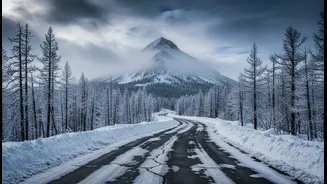
inconvenience but for safety and conservation. Heavy snowfall in the mountains makes high-altitude passes treacherous, while monsoon rains can cause landslides and make forest tracks impassable. The monsoon is also a crucial breeding season for wildlife, prompting the closure of most national parks to allow animals to thrive undisturbed. Understanding these natural cycles is the first step to planning a seamless and safe journey.
The Himalayas: Winter's Icy Grip
The majestic Himalayas are a bucket-list destination, but access is highly seasonal. Key arteries like the Leh-Manali Highway and high passes such as Rohtang Pass and Zoji La typically close from around November to May due to heavy snowfall and hazardous icy conditions. For example, Rohtang Pass, a gateway to the Lahaul and Spiti Valleys, generally opens from May to November, but the best time to visit is often considered September and October, after the monsoons and before the winter snow. Travellers planning a road trip to Ladakh or Spiti must factor in these closures. While the Atal Tunnel has provided an alternative route, many of the most scenic high passes remain shut for nearly half the year.
Monsoon Retreat: National Parks and Sanctuaries
Wildlife enthusiasts need to plan their safaris carefully around the monsoon season. Most national parks and tiger reserves in India, particularly in the central and northern regions, close their core zones from roughly June or July until September or October. This includes popular parks like Jim Corbett in Uttarakhand, Ranthambore in Rajasthan, and Kanha and Bandhavgarh in Madhya Pradesh. The closure allows the forest to rejuvenate and coincides with the breeding season for many species. While some buffer zones or specific ranges might remain open for tourism, the quintessential safari experience is largely unavailable during these months. Parks in southern India, like Periyar and Nagarhole, may remain open year-round, but it's always essential to check official websites for the latest updates before you travel.
Coastal and Island Travel in the Off-Season
Coastal destinations also have their seasonal rhythms. In Goa, the monsoon season from June to September is considered the off-season. While the landscape becomes incredibly lush and hotel prices drop, many beach shacks are dismantled, and water sports activities are halted due to choppy seas. Similarly, in the Andaman and Nicobar Islands, ferry services between islands like Port Blair, Havelock, and Neil can be significantly reduced or altered during the monsoon months. While ferries still operate, the frequency might drop, and services can be cancelled at short notice due to bad weather, making island-hopping less predictable than during the peak season from October to May.
Planning Ahead for a Smooth Journey
Avoiding disappointment is all about smart planning. Before finalizing your itinerary, always check the official websites of national parks and the Border Roads Organisation (BRO) for updates on road closures. Local tourism boards are also a valuable source of information. For island destinations, check with private ferry operators like Makruzz or Green Ocean for their seasonal schedules. Building flexibility into your travel dates can also be a wise move, especially when travelling during the shoulder seasons when opening and closing dates can shift based on weather conditions. Engaging with local tour operators can provide on-the-ground insights that are not always available online. A little research ensures that seasonal closures become a predictable part of your plan, not an unexpected obstacle.