




The Rise of Hyperlocal Eating
Imagine snipping fresh mint for your chai or harvesting crisp lettuce for a salad, just an elevator ride away from your front door. This isn't a scene from a futuristic movie; it's the reality in a growing number of apartment complexes across Indian metros
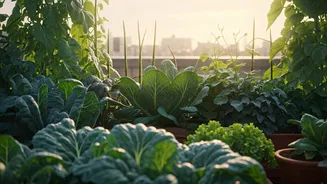
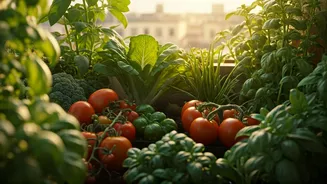
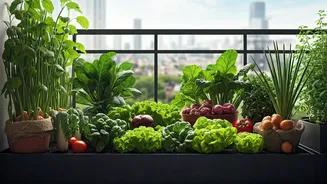
like Bengaluru, Mumbai, and Pune. Termed 'hyperlocal farming' or 'farm-to-fork living', this trend involves integrating agriculture directly into residential buildings. Real estate developers and proactive Residents' Welfare Associations (RWAs) are transforming underutilised spaces—primarily rooftops—into lush, productive gardens. The goal is simple: provide residents with direct access to fresh, organic produce while fostering a sustainable community.
From Rooftop to Kitchen Table
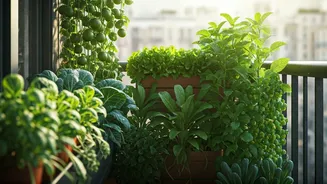
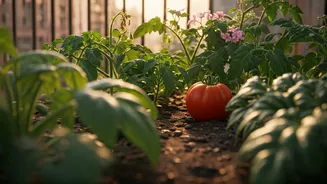
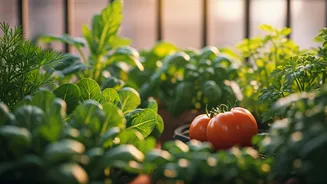
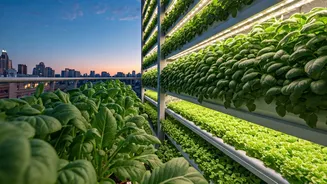
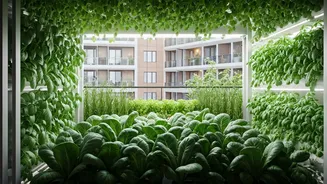
So, how does it work? The most common model is the community-run rooftop garden. Residents can volunteer or pay a nominal fee to participate, sharing the work and the harvest. These gardens typically grow easy-to-manage vegetables like tomatoes, chillies, spinach, brinjal, and a variety of herbs. More advanced buildings are adopting modern techniques like hydroponics (growing plants in nutrient-rich water) and aeroponics (misting roots with nutrient solutions). These soil-free methods are incredibly space-efficient, require less water than traditional farming, and can be set up vertically, making them perfect for urban environments. Some societies even hire urban farming startups to manage the entire process, delivering a weekly box of freshly harvested vegetables to participating households.
The Real Impact on Your Wallet
The headline claim of 'saving grocery bills' holds genuine merit, though it's important to set realistic expectations. This trend won't eliminate your grocery bill entirely. However, it can significantly reduce your expenditure on fresh produce, which is often subject to volatile market pricing and transportation costs. Families participating in a well-managed community farm can save anywhere from ₹800 to ₹2,000 a month, depending on the scale of the garden and their consumption habits. The biggest savings come from leafy greens, exotic vegetables like kale and zucchini, and herbs, which are typically expensive and have a short shelf life when bought from a store. By growing your own, you cut out the middleman and harvest only what you need, drastically reducing food waste.
More Than Just Monetary Savings
The benefits of this apartment trend extend far beyond finances. Firstly, there's the unparalleled freshness and quality. The produce is often organic, free from harmful pesticides, and harvested at peak ripeness, leading to better taste and higher nutritional value. Secondly, it fosters a powerful sense of community. Gardening together gives neighbours a chance to connect, collaborate, and share a common purpose, turning anonymous apartment blocks into vibrant communities. For many, the act of gardening itself is a therapeutic escape from the stresses of city life. It's a chance to connect with nature, get some light physical activity, and teach children where their food comes from. Finally, it’s an environmentally positive step, reducing food miles, promoting biodiversity, and greening our concrete jungles.
How to Get Involved
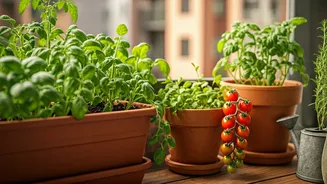
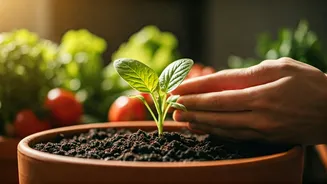
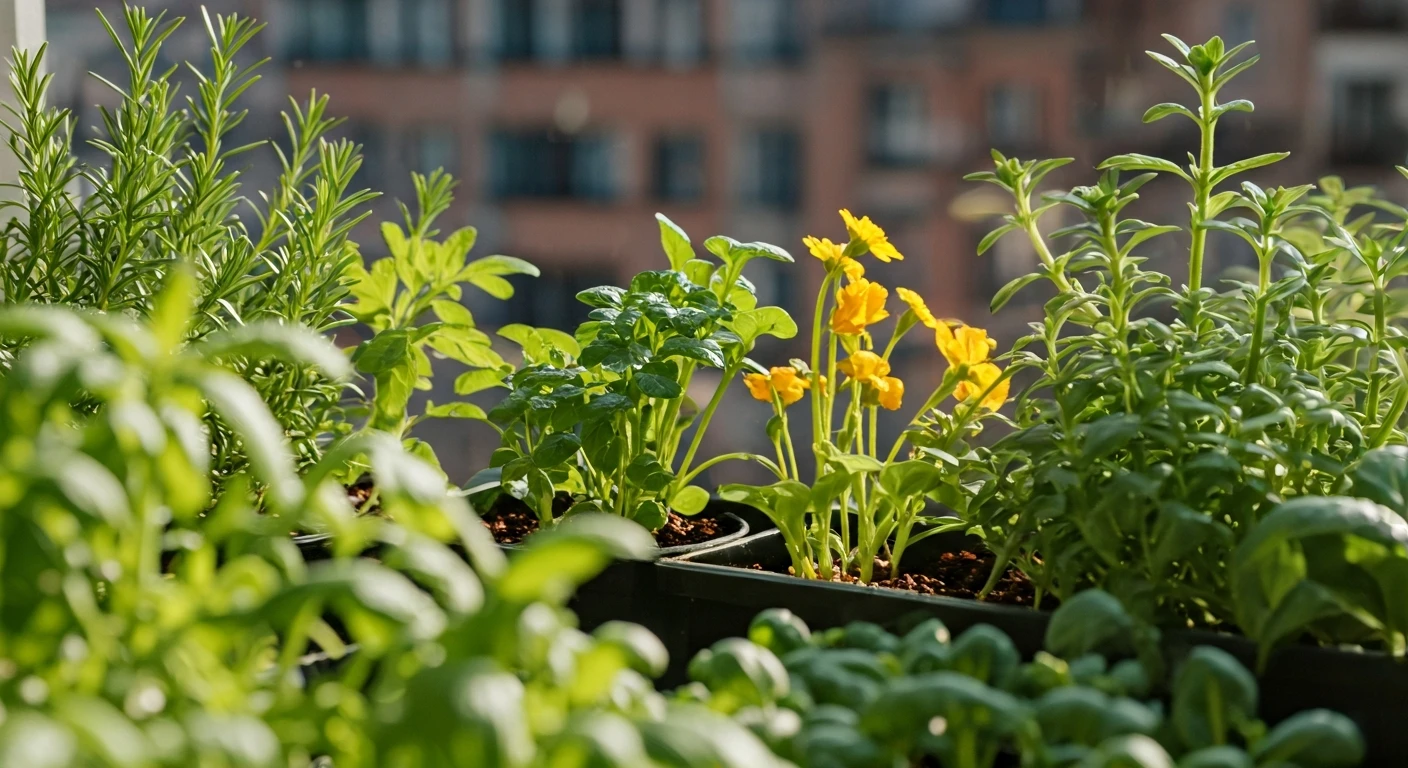
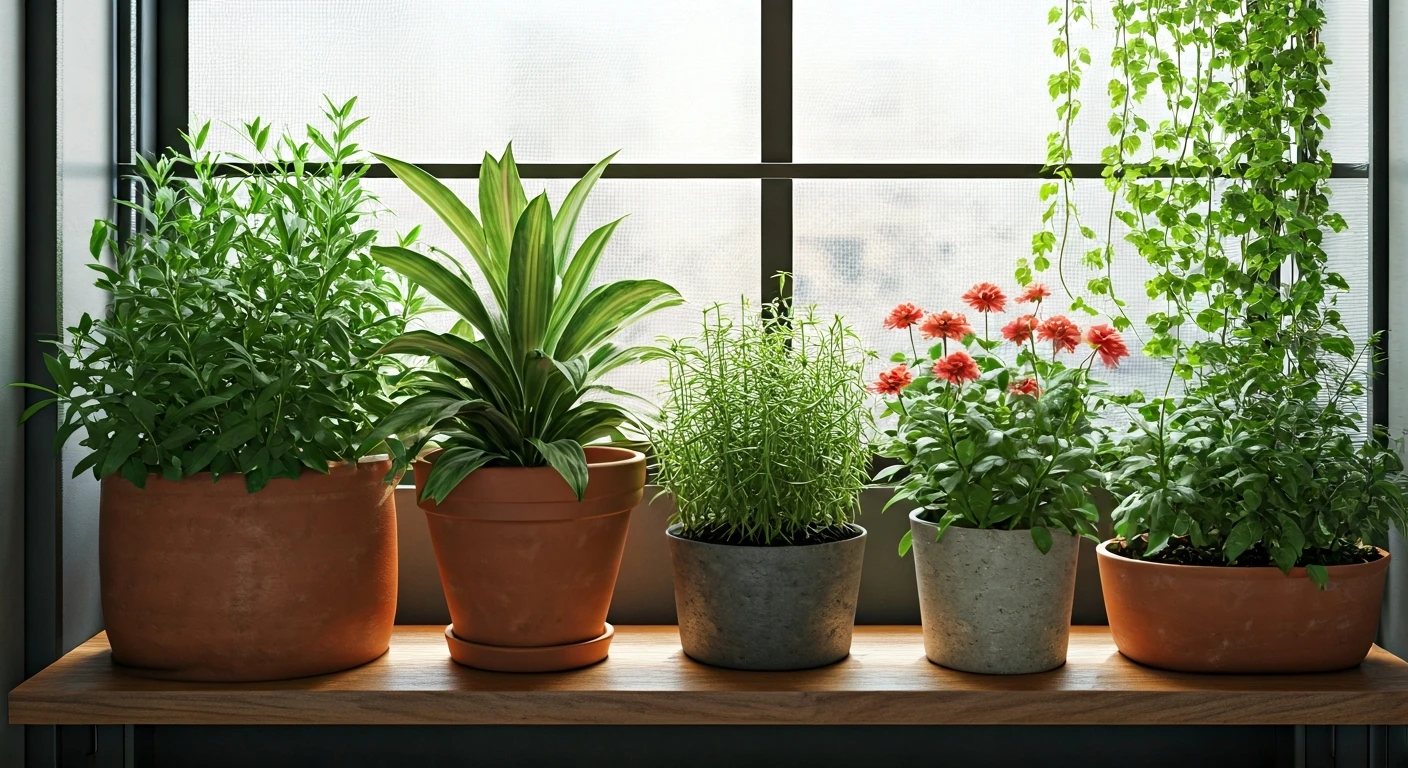
If you're inspired to join the movement, there are a few ways to start. When house-hunting, specifically ask real estate agents or developers about properties with community gardens or rooftop farming facilities. For those already settled, the first step is to talk to your neighbours and the RWA. Propose the idea of starting a community garden on the rooftop or any available common space. You can pool resources to buy soil, seeds, and containers. If the initial investment seems daunting, consider reaching out to one of the many urban farming startups in India. They offer consultation and setup services, making the process much smoother. Even without a community-wide project, you can start small on your own balcony with a few pots of herbs, tomatoes, and chillies to get a taste of urban farming.