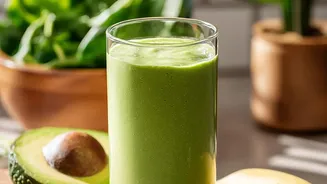





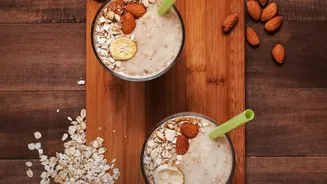

Tired of the same old breakfast routine? A millet-based smoothie offers a modern twist on an ancient grain, providing the sustained energy you need to power through your morning without the dreaded mid-morning slump. Here’s why it works.
The Rise of a Humble Super Grain
Millets, once
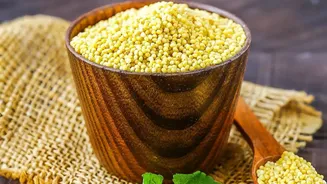
a staple in traditional Indian households, are experiencing a major comeback. These small but mighty grains like ragi (finger millet), bajra (pearl millet), and jowar (sorghum) are celebrated for their resilience and incredible nutritional profile. Naturally gluten-free and packed with nutrients, they are being rediscovered by health-conscious individuals looking for wholesome alternatives to refined grains. A smoothie is one of the easiest and most delicious ways to incorporate these superfoods into your daily diet, transforming your breakfast into a powerhouse of nutrition.
The Power of Complex Carbs in the Morning
The headline gets it right: the primary benefit of a millet-based breakfast is its high content of complex carbohydrates. Unlike the simple carbs found in sugary cereals or white bread that cause a quick energy spike followed by a crash, complex carbs break down slowly. This gradual digestion provides a steady, sustained release of energy that keeps you feeling full, focused, and energised until your next meal. Millets have a low glycemic index, which helps in managing blood sugar levels, preventing the sluggishness that often follows a carb-heavy breakfast.
Beyond Carbs: A Nutritional Powerhouse
While the complex carbs are a major draw, millets offer a wealth of other health benefits. They are an excellent source of dietary fibre, which is crucial for good digestion and gut health. They also provide a significant amount of plant-based protein, essential minerals like iron, magnesium, and calcium, and B vitamins that support energy metabolism. For instance, ragi is famously high in calcium, making it great for bone health, while bajra is rich in iron. This impressive nutritional profile makes a millet smoothie a well-rounded meal that supports everything from heart health to immunity.
How to Make the Perfect Millet Smoothie
Adding millet to a smoothie is surprisingly simple, but it requires one key step: cooking it first. Raw millet flour can be difficult to digest, so it's best to cook it into a porridge_like consistency before blending. Simply mix a few tablespoons of millet flour (like ragi or a multi_millet mix) with water and cook on a low flame for a few minutes until it thickens. Once it has cooled, you can add it to your blender. This cooked millet paste creates a wonderfully creamy and thick texture, acting as a perfect base for your smoothie. You can prepare a larger batch and store it in the fridge for a few days to make your morning routine even faster.
Easy and Delicious Smoothie Combinations
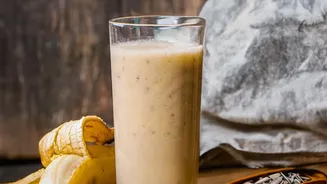
The neutral, slightly nutty flavour of most millets pairs well with a variety of ingredients. You can easily customise your smoothie to your taste. For a classic combination, blend your cooked millet paste with a frozen banana, a cup of milk (dairy or plantersed), and a natural sweetener like dates or a touch of honey. For a fruitier version, try adding mango, pineapple, or mixed berries. To boost the protein and healthy fats, add a spoonful of nut butter, chia seeds, or a handful of soaked almonds. Don't be afraid to experiment with spices like cardamom or cinnamon for extra flavour.