






Let the Air Flow
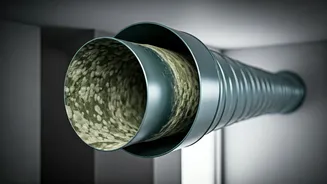
The single most effective weapon against dampness is good ventilation. Trapped, stagnant air holds moisture, creating the perfect environment for mould and mildew. Your first step is to get the air moving. Make it a habit to open windows and doors for at least
15-20 minutes every day, especially during drier parts of the day like late morning. Create a cross-breeze by opening windows on opposite sides of your flat to push stale, humid air out and pull fresh air in. If you only have one window in a room, open the door and use a fan to help circulate the air. Don't forget your exhaust fans; run the kitchen fan while cooking and the bathroom fan for at least 15-20 minutes after a shower to expel steam directly outside.
Actively Absorb Moisture
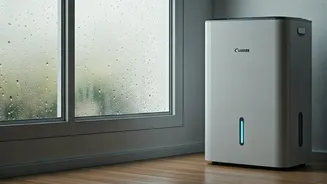
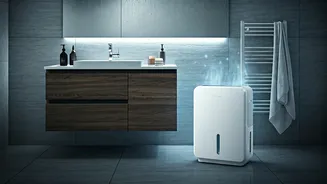
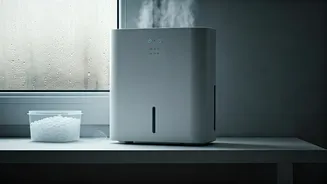
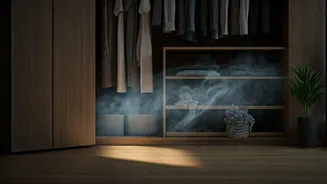
Beyond ventilation, you can actively pull moisture from the air. While electric dehumidifiers are highly effective, especially for persistent humidity, several low-cost, natural methods work well in smaller spaces. Place bowls of rock salt, charcoal briquettes, or even baking soda in damp-prone areas like closets, under sinks, or on windowsills. These materials naturally absorb moisture from the air. For cupboards and drawers, silica gel packets or naphthalene balls can protect clothes and prevent musty odours. Certain houseplants also act as natural dehumidifiers, absorbing moisture through their leaves. Consider adding a Peace Lily, Snake Plant, or Spider Plant to your home for a green solution.
Target High-Moisture Zones
Kitchens and bathrooms are the primary sources of moisture in any home. Keep lids on pots and pans while cooking to reduce steam. In the bathroom, opt for cooler, shorter showers when possible, as long, hot showers pump huge amounts of steam into the air. After showering, wipe down wet surfaces like tiles and glass partitions to remove excess water immediately. One of the biggest culprits of indoor humidity is drying laundry inside. If you must dry clothes indoors, try to contain them in one room (like the bathroom) with the door closed and a window cracked open or an exhaust fan running.
Smart Storage and Furniture Placement
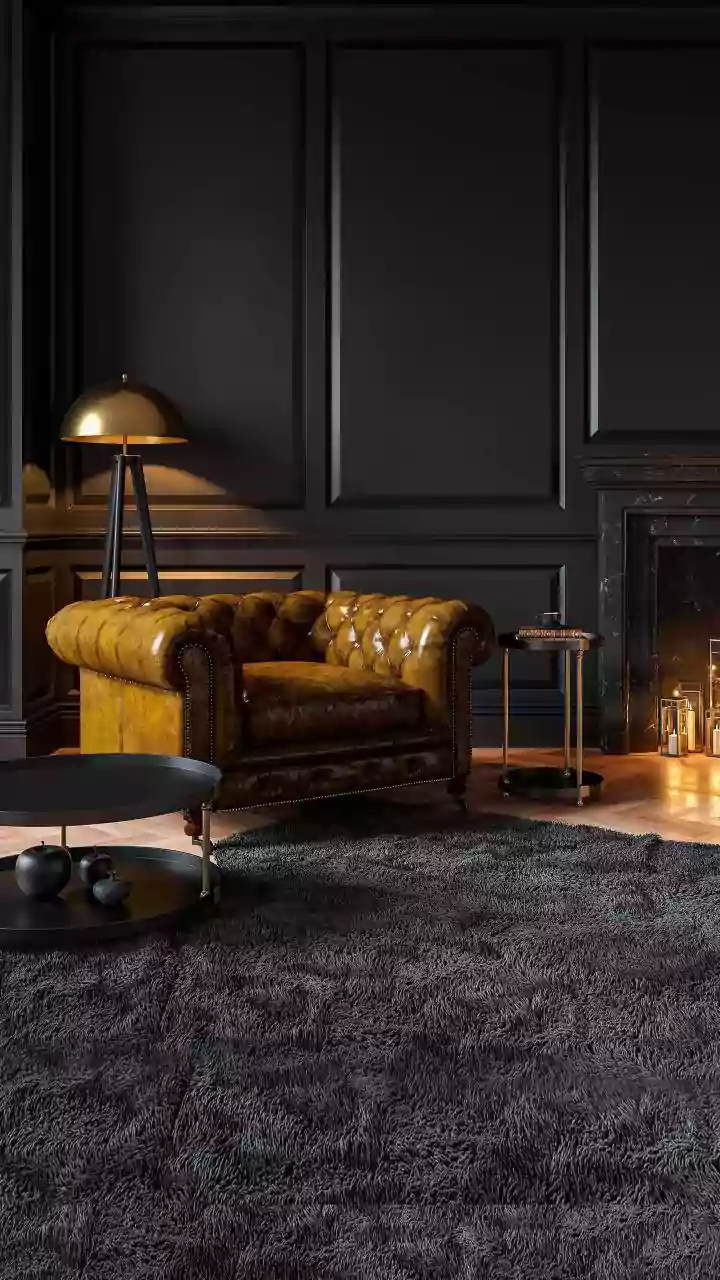
How you arrange your flat can significantly impact airflow and dampness. Avoid pushing furniture, especially large items like wardrobes and sofas, directly against external walls. Leaving a gap of a few inches allows air to circulate, preventing moisture from getting trapped and causing mould to grow behind them. Don't overstuff your closets and cabinets. Cluttered spaces trap air, leading to that familiar musty smell in your clothes and linens. During peak monsoon, it might be wise to roll up and store heavy carpets and rugs, as they can absorb and hold moisture, becoming breeding grounds for mildew.
Inspect and Prevent
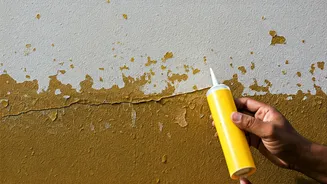
Finally, be proactive. Regularly check for early signs of trouble, such as condensation on windows, damp patches on walls, or a persistent musty odour. Wiping away condensation as it forms prevents water from settling and causing damage. Inspect walls and ceilings, especially after heavy rain, for any signs of leaks or cracks and get them repaired promptly. At the first sign of mould, clean the area with a disinfectant or a fungicidal wash to stop it from spreading. By staying vigilant, you can catch small issues before they become major problems, keeping your compact home dry, healthy, and comfortable year-round.