

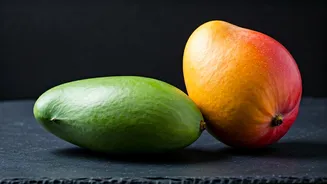
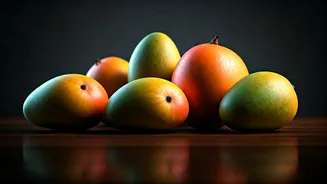


The King of Festivals for the King of Fruits
For a few glorious days each summer, typically in July, Delhi Tourism transforms a corner of the city—often the bustling Dilli Haat—into a paradise for mango lovers. The Delhi International Mango Festival is more than just a market; it's a cultural institution
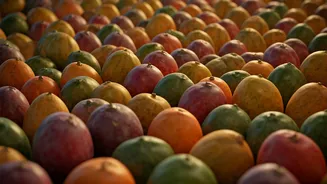
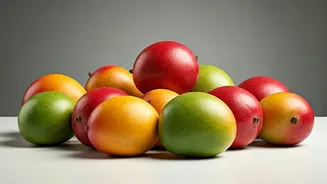
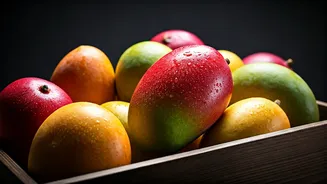
and a sensory spectacle that has been delighting residents and tourists for decades. The air hangs thick and sweet with the perfume of ripe mangoes, a scent powerful enough to eclipse the city's usual hustle. Here, the 'king of fruits' is given its royal due. Growers from across the country, particularly from states like Uttar Pradesh, Bihar, West Bengal, and Andhra Pradesh, converge to showcase their prized produce, turning the venue into a vibrant mosaic of yellow, orange, green, and red.
A Dazzling Parade of Mango Royalty
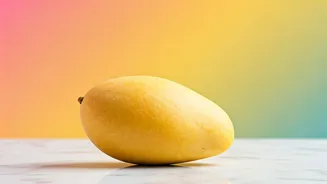
The festival is an unparalleled opportunity to journey through India's rich mango biodiversity. While the headline mentions the beloved Alphonso from Maharashtra and the sweet, fibrous Dasheri from Uttar Pradesh, the reality is far more extensive. You'll find over 500 varieties on display, each with its unique story and flavour profile. Look for the delicate Langra from Varanasi, with its slight tang and greenish skin even when ripe. Don't miss the Chausa from Hardoi, a late-season favourite known for its incredibly sweet pulp and sunshine-yellow hue. Then there's the regal Himsagar from West Bengal, a fibreless variety with a creamy, rich taste, and the giant Fazli, which can weigh over a kilogram. It's a chance to not only taste but also learn, as farmers are often eager to share the history and characteristics of their unique cultivars.
More Than Just Fresh Fruit
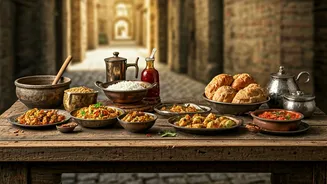
While the heaps of fresh mangoes are the main draw, the festival’s creativity knows no bounds. It's a celebration of the mango in all its forms. Stalls are laden with an astonishing range of mango-based products that extend the fruit’s fleeting season. You can sample and purchase everything from traditional aam papad (fruit leather), tangy pickles (achaar), and sweet chutneys to innovative modern creations. Imagine mango-infused desserts, refreshing mango kulfi, rich mango lassi, and even savoury dishes that incorporate raw or ripe mangoes. It’s a culinary exploration that demonstrates the incredible versatility of the fruit. Many stalls also offer cooking demonstrations, revealing the secrets behind classic mango recipes.
The Sweet Taste of Competition
What's a festival without a bit of fun and games? The Mango Extravaganza is famous for its lively competitions that add a layer of playful energy to the event. The most anticipated is undoubtedly the mango-eating contest. Participants race against the clock to devour a set number of mangoes, a messy but hilarious spectacle that always draws a large, cheering crowd. It’s a true test of speed, skill, and sheer love for the fruit. Beyond this popular event, there are often competitions for the largest mango, slogan-writing contests, and quizzes about mangoes. Cultural performances, including folk music and dance, provide entertainment throughout the day, making it a complete family-friendly outing.
Your Guide to the Mango Mela
To make the most of your visit, a little planning goes a long way. The festival usually runs for a weekend, so check the Delhi Tourism website for exact dates and timings. Go early in the day to avoid the biggest crowds and the most intense heat. Wear comfortable shoes, as you’ll be doing a lot of walking. While many stalls now accept digital payments, carrying some cash is always a good idea. Don't be shy about asking for samples—it's the best way to discover a new favourite variety. When buying mangoes to take home, speak with the farmers. They can advise you on which fruits are ready to eat and which will ripen in a few days, ensuring you have a steady supply of deliciousness.