

Why Mandu Is Magical in Monsoon
Mandu transforms into a breathtaking spectacle during the monsoon months of July through September. The scorching summer heat gives way to pleasant temperatures, and the entire landscape erupts in vibrant shades of green. The ancient palaces and tombs,
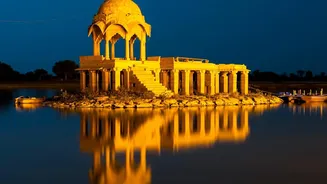
washed clean by the rain, stand majestically against misty backdrops. The city's many lakes and reservoirs, like Sagar Talao, fill to the brim, creating stunning reflections of the historic architecture. It was this very beauty that led Mughal Emperor Jahangir to call it 'Shadiabad' or the City of Joy. The cool breeze, light drizzle, and the scent of wet earth create a romantic and tranquil atmosphere, making it the perfect time for explorers and photographers.
A Walk Through Royal History
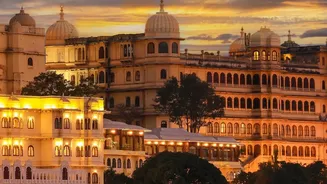
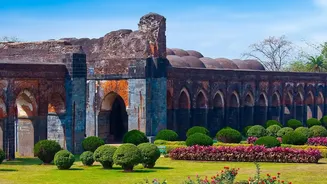
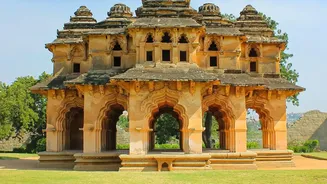
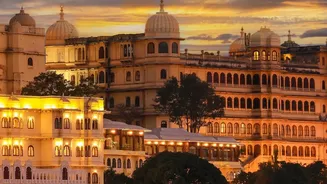
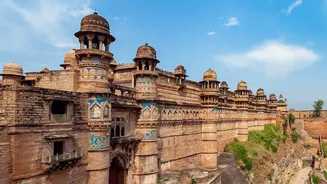
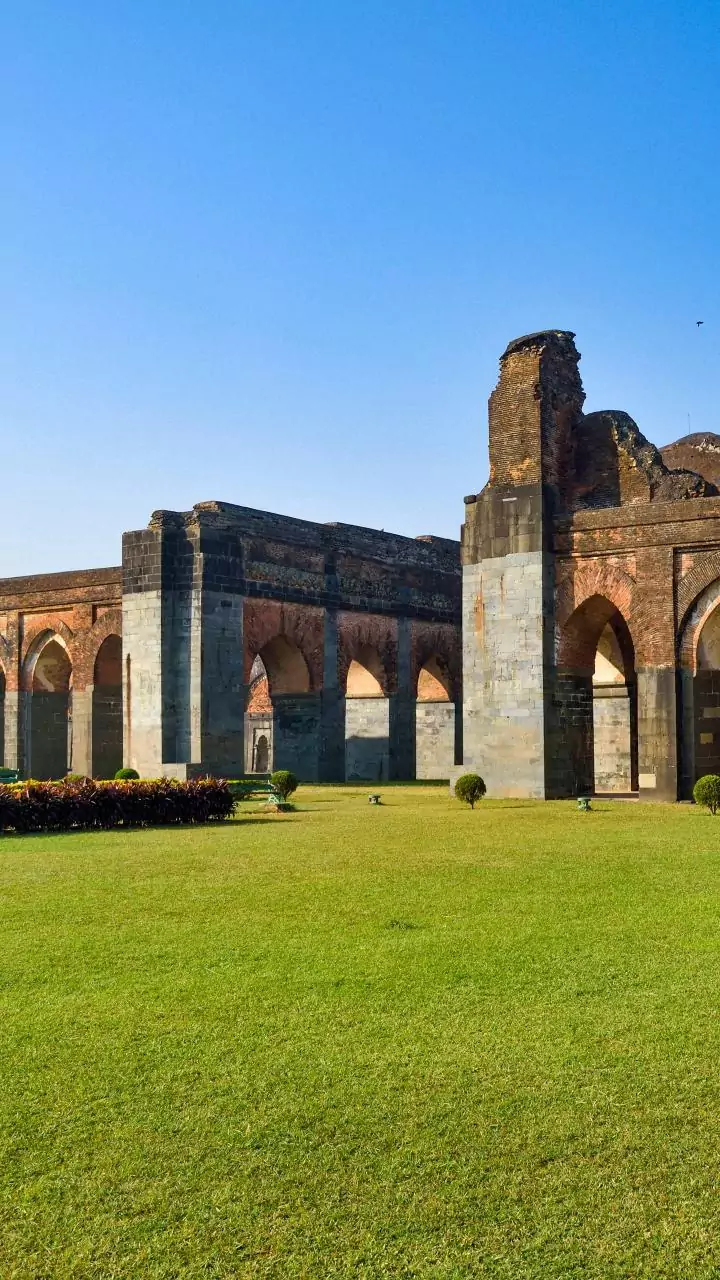
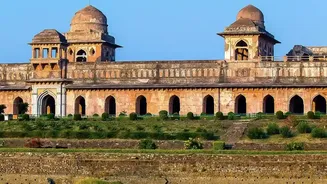
Mandu's true charm lies in its magnificent Afghan architecture. The Royal Enclave is a great place to start, featuring a cluster of significant monuments. The most iconic is Jahaz Mahal, or the Ship Palace. This 120-metre-long structure is built between two artificial lakes, Munj and Kapur Talao, giving it the appearance of a ship afloat on the water—a sight made even more dramatic during the rains. Nearby is Hindola Mahal, the 'Swinging Palace', so named for its unique sloping side walls that create an illusion of motion. Also worth visiting is Hoshang Shah's Tomb, a refined marble mausoleum that is said to have inspired the architects of the Taj Mahal.
The Palace of a Tragic Love Story
No trip to Mandu is complete without visiting the sites tied to the legendary romance of Sultan Baz Bahadur and the beautiful singer, Rani Roopmati. Perched on a cliff with stunning panoramic views is Rani Roopmati's Pavilion. Originally an army observation post, it became the queen's retreat. From here, she could gaze at Baz Bahadur's Palace below and the sacred Narmada River in the distance, a condition she set for her move to Mandu. Baz Bahadur's Palace, built in the 16th century, features spacious courtyards and grand halls. The tragic end to their love story, cut short by a Mughal invasion, adds a layer of poignant history to these beautiful structures.
Planning Your Weekend Escape
Mandu is easily accessible from both Indore and Bhopal, making it an ideal weekend destination. From Indore, the journey is approximately 95-100 km and takes about two to three hours by car. Taxis are readily available and can cost around ₹2,000-₹2,500 for a round trip. Budget-conscious travellers can opt for state-run buses from Indore's Sarwate Bus Stand, with tickets costing under ₹150 for a one-way trip. From Bhopal, the distance is greater, around 285-290 km, translating to a five to six-hour drive. Booking a cab is the most convenient option, with fares starting from approximately ₹4,200 for a one-way trip. The roads are generally in good condition, offering a scenic drive through the Malwa plateau.
An Affordable Royal Retreat
A trip to Mandu doesn't have to break the bank. The city offers a range of budget-friendly accommodation options, from guesthouses and homestays starting at around ₹800 per night to government-run hotels that provide comfortable stays. Entry fees for most monuments are nominal, often as low as ₹15-₹25 for Indian citizens. When it comes to food, you can savour delicious and affordable local Malwa cuisine. Look for local eateries serving dishes like dal bafla, bhutte ka kees (a grated corn specialty), and the classic poha with jalebi for breakfast, with meals often costing less than ₹200. This combination of low-cost lodging, food, and sightseeing makes Mandu a truly accessible heritage destination.