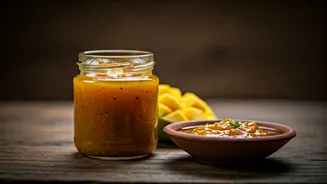









The Genius of Leftover Brine
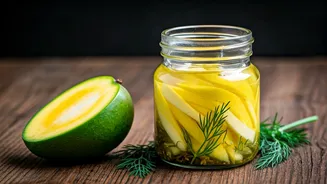
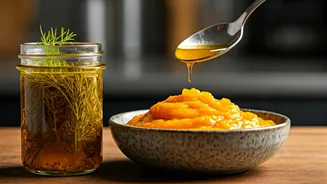
Before you dismiss this as just another internet food trend, let's break down why this hack is pure culinary genius. That leftover liquid at the bottom of your *achar* jar—whether it's mustard oil, vinegar, or lime juice—is not waste. It's a concentrated
flavour bomb. Over weeks and months, it has absorbed the very essence of the spices, salt, and souring agents used in the pickling process. It’s a ready-made, perfectly balanced blend of spicy, salty, and tangy notes that would otherwise take you significant time and effort to replicate. Think of it as a starter kit for flavour. By using this brine, you're not cutting corners; you're leveraging a pre-made, complex flavour base that adds incredible depth to your chutney, saving you time, reducing waste, and creating something uniquely delicious.
Not All Brines Are Created Equal
The success of this hack depends entirely on the type of pickle brine you use. The liquid from a spicy mango or mixed vegetable pickle (*aam ka achar* or *panchmel*), typically rich with mustard oil, fennel, fenugreek, and chilli, is ideal. It provides a robust, savoury, and pungent base. The brine from a sweet lemon or mango pickle (*meetha nimbu* or *chundo*) is also excellent, offering a foundation of sugar or jaggery along with gentler spices like cardamom and clove. This type of brine will result in a sweeter, more fragrant chutney. However, be cautious with brines from extremely sour or salty pickles, like a pure lime pickle. You can still use them, but you’ll need to adjust the sugar and salt levels in your chutney much more carefully. For this guide, we'll focus on the classic spicy-salty brine found in most household *achars*.
The Five-Minute Chutney Method
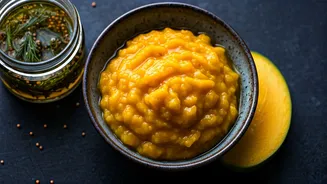
This isn't a strict recipe but a flexible method. The core idea is to balance the salty, spicy brine with the sweetness of sugar and the tartness of raw mango. You’ll need approximately one large, firm raw mango (like a Totapuri or Rajapuri), peeled and grated or finely chopped. For the other ingredients, start with about 1/4 cup of your leftover pickle brine and 1/4 cup of sugar or jaggery. You'll likely need to adjust these based on the saltiness of your brine and the sourness of your mango. You might also want to have some extra red chilli powder, turmeric, or roasted cumin powder on hand to fine-tune the flavour. The beauty of this method is its adaptability; let your taste buds be your guide.
Step-by-Step to Chutney Perfection
Ready? This will be quick. First, place your grated or chopped raw mango in a non-reactive pan over medium heat. Add about two tablespoons of water to help it start cooking down without sticking. Let it soften for about 3-4 minutes. Next, pour in your pickle brine. Stir everything together and let it cook for another two minutes. You'll see the mango start to absorb all that delicious, spiced oil. Now, it’s time to balance the flavours. Add your sugar or jaggery and stir until it dissolves completely. At this point, taste the mixture. Is it too sour? Add more sugar. Too salty from the brine? A squeeze of lime juice can sometimes balance it, or you can add a bit more raw mango if you have it. Not spicy enough? A pinch of red chilli powder will do the trick. Continue to cook, stirring occasionally, until the chutney thickens to your desired consistency, usually about 5-7 more minutes. The mixture should look glossy and coat the back of a spoon. Once it’s done, turn off the heat and let it cool completely before transferring it to a clean, airtight jar.
Pro-Tips and Variations
To elevate your chutney even further, consider a final *t tempering. Heat a teaspoon of oil, add a pinch of mustard seeds and asafoetida (*hing*), and let them splutter before pouring over the finished chutney. This adds another layer of aroma and flavour. Don't be afraid to experiment. This method works beautifully with other firm, tart fruits like green apples or starfruit. You can also add a handful of raisins or chopped dates towards the end of the cooking process for extra sweetness and texture. If your brine is particularly oily, you may not need to add any extra oil for cooking. The key is to trust your instincts and adjust the recipe to suit the specific brine you're using. The goal is a perfect harmony of sweet, sour, spicy, and salty.