







The New Reality of Flying from Delhi
For years, the savvy traveller’s mantra has been to check in online, download a boarding pass, and breeze through the airport. However, at Delhi’s Indira Gandhi International Airport (IGI), the check-in process is evolving. While web check-in remains
a vital first step, it now serves as the precursor to a more technologically advanced and streamlined system: biometric-enabled travel. The increasing integration of platforms like DigiYatra means that just having your e-boarding pass is not enough; you now need to be prepared for a facial recognition-based journey through the airport's main touchpoints. This shift aims to create a paperless, contactless, and ultimately faster experience, but it requires travellers to adapt to a new pre-flight routine.
Enter DigiYatra: Your Face is Your ID
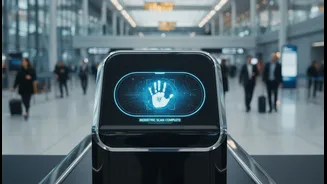
At the heart of this change is DigiYatra, a government-led initiative designed to make your face your ultimate travel document. It links your identity, via Aadhaar, to your travel details, allowing you to move through dedicated e-gates at terminal entry, security screening, and boarding. Instead of repeatedly showing your ID and boarding pass, a camera scans your face to verify your identity. While DigiYatra has been available for domestic travellers for some time, its role is expanding. Notably, as of June 2026, its use became mandatory for international transit passengers at major hubs including Delhi. This signals a clear direction from aviation authorities: biometric verification is the future of Indian air travel, moving away from manual checks towards a unified digital system.
How to Prepare: A Step-by-Step Guide
Navigating this new system is straightforward if you prepare in advance. Here’s how to get started with DigiYatra: 1. Download the App: Find the official DigiYatra app on the iOS App Store or Android Play Store. 2. Register Yourself: Use your mobile number (preferably the one linked to your Aadhaar) and a one-time password (OTP) to register. 3. Link Your ID: You’ll need to link your credentials using DigiLocker or by uploading your offline Aadhaar XML file. This is a one-time setup. 4. Take a Selfie: The app will prompt you to take a clear selfie, which will be used to create your biometric profile. 5. Upload Your Boarding Pass: Before you travel, upload or scan your flight's bar-coded boarding pass onto the app. This links your face to your specific journey. For those who are less tech-savvy or unable to use the app, registration desks are available at the airport to help you enrol on the spot.
At the Airport: The DigiYatra Experience
Once you're registered and your boarding pass is shared, your journey through Delhi Airport becomes significantly smoother. You can use the dedicated DigiYatra e-gates at Terminal Entry (T1, T2, and T3 for domestic flights). At the gate, simply look into the facial recognition camera. After validation, the gate opens automatically. The process is repeated at designated security and boarding gates, drastically cutting down on queues and the need to handle physical documents. While web check-in gets your seat and boarding pass confirmed, enrolling in DigiYatra is what unlocks the seamless, fast-track experience that airport authorities are now encouraging all passengers to adopt.
Beyond Convenience: The Bigger Picture
The push for systems like DigiYatra and other self-service options, such as the Quick Drop baggage solution at Delhi Airport, is about more than just speed. It's part of a broader vision to enhance security, reduce airport congestion, and improve operational efficiency at some of India’s busiest airports. By creating a single, verifiable digital token for each passenger, airports can manage passenger flow more effectively and provide a higher level of security assurance. For travellers, this means that while there's a new step to learn, the payoff is a more predictable and less stressful airport experience in the long run. The days of simply showing up are fading; the era of the digitally prepared traveller is here.