




The Liquid Gold Illusion
Walk into any upscale neighbourhood, gym, or wellness cafe, and you’ll find them: rows of gleaming bottles filled with colourful cold-pressed juices. They promise to detoxify your body, boost your immunity, and deliver a concentrated blast of nutrients.
The juice industry has successfully positioned its product as an aspirational, clean-living staple. We buy into the idea that we can drink our five-a-day, skipping the tedious (and let’s be honest, sometimes boring) act of chewing raw vegetables. It feels efficient, modern, and virtuous. But this perception is built on a fundamental misunderstanding of how our bodies process food.
What Really Gets Left Behind
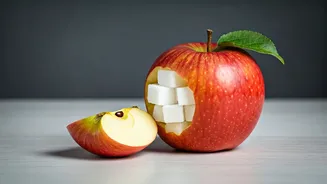
The magic of a juicer is its ability to separate liquid from solid. A high-speed blade or press pulverises fruits and vegetables, extracting the water and water-soluble nutrients into a glass. The leftover material—a dry, sad-looking heap of pulp—is then discarded. This pulp is almost pure dietary fibre. Fibre is the structural part of a plant, the stuff that gives an apple its crunch and spinach its form. By removing it, we are essentially turning a complex, whole food into a simple one. We get the vitamins, the minerals, and all of the sugar, but we lose the very component that helps our bodies manage it all effectively.
The Blood Sugar Rollercoaster
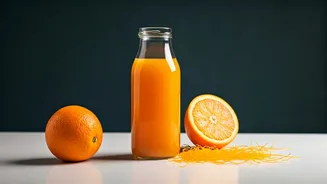
Here's the most critical difference: eating an orange versus drinking a glass of orange juice. To make one glass, you might need three or four oranges. If you ate four oranges, the fibre in the fruit would slow down the absorption of its natural sugar (fructose) into your bloodstream. This creates a gentle, gradual rise in blood sugar. Your body can handle this easily. When you drink the juice, you are consuming the sugar from four oranges in a matter of minutes, with no fibre to act as a brake. The result is a rapid spike in blood sugar, forcing your pancreas to work overtime producing insulin to bring it back down. This spike is often followed by a crash, leaving you feeling tired and hungry again soon after—the exact opposite of what you want from a 'healthy' drink.
Fibre Does More Than You Think
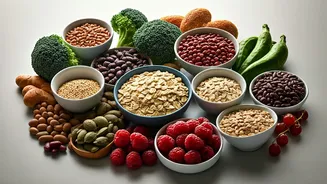
The conversation about fibre often gets stuck on digestion and preventing constipation, which, while true, is only part of the story. Dietary fibre is crucial for overall health. Firstly, it promotes satiety, the feeling of being full and satisfied after a meal. The bulk from fibre physically fills your stomach and signals to your brain that you've had enough. A glass of juice provides calories but little to no satiety. Secondly, a high-fibre diet is linked to a lower risk of heart disease, type 2 diabetes, and certain types of cancer. It also feeds the trillions of beneficial bacteria in your gut, which collectively form your microbiome—a key player in everything from immunity to mood.
A Better Way: Embrace the Blend
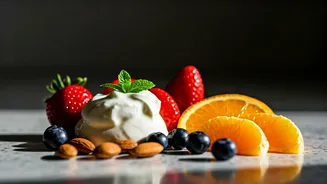
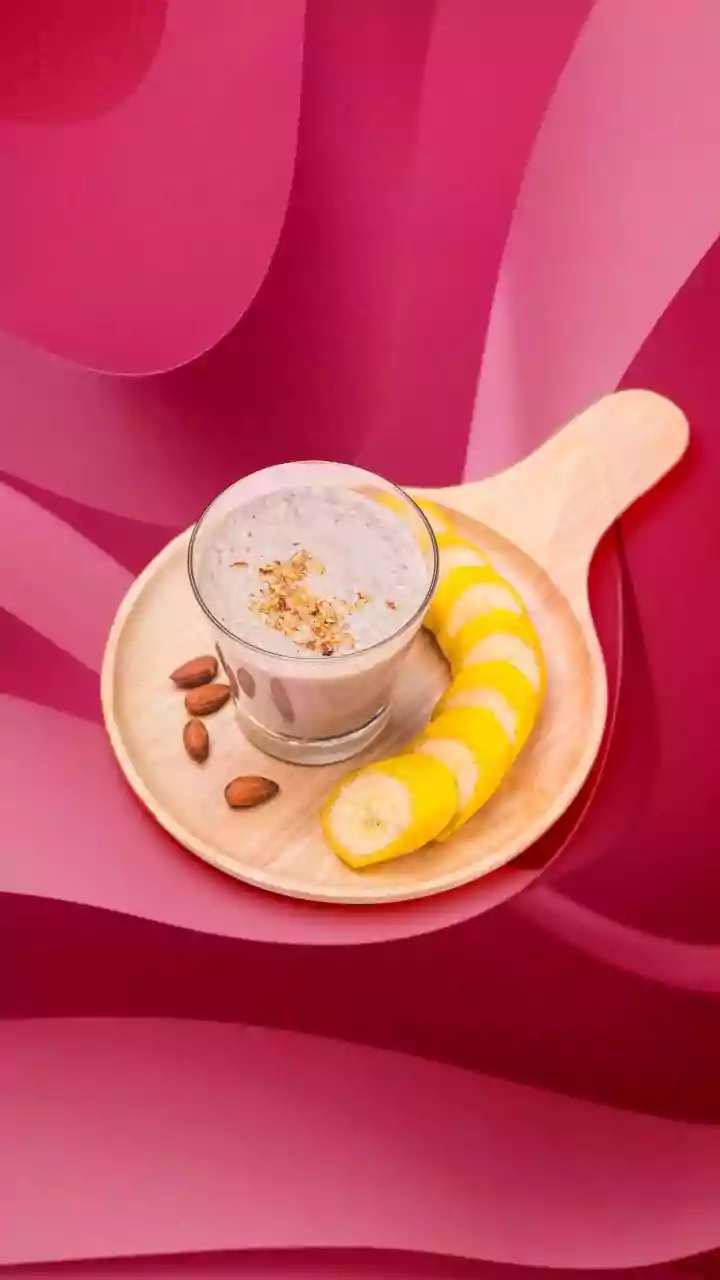
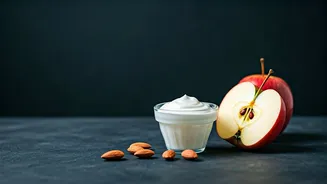
If you love the convenience of a drinkable meal or snack, there's a simple solution: switch from a juicer to a blender. Making a smoothie involves blending the entire fruit or vegetable—skin, pulp, and all. Nothing is discarded. You get all the vitamins and minerals, plus all the invaluable fibre. A smoothie made with whole fruit, a source of protein like Greek yoghurt, and some healthy fats from nuts or seeds is a nutritionally balanced mini-meal. It will keep your blood sugar stable and leave you feeling full and energised, unlike its fibre-less juice counterpart.