





The Golden Age of the Daily Soap
For decades, Indian television was synonymous with the daily soap opera. From the early days of 'Hum Log' to the era-defining 'saas-bahu' sagas like 'Kyunki Saas Bhi Kabhi Bahu Thi', these shows were a cultural institution. They were built on a reliable
formula: sprawling joint families, dramatic plot twists, and characters that became household names. The narrative, often stretched over thousands of episodes, revolved around domestic drama, idealised values, and clear-cut villains and heroes. This appointment-based viewing model, where audiences had to tune in at a specific time each day, created a powerful and loyal viewership base that broadcasters and advertisers cherished.
The Digital Disruption Arrives
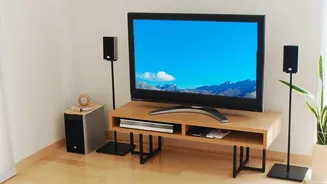
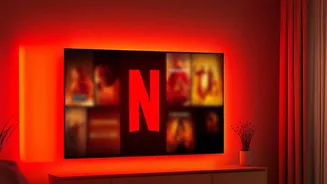
The first tremors of change were technological. The launch of Reliance Jio in 2016 is widely seen as a turning point, making high-speed mobile data incredibly affordable for millions of Indians. Suddenly, the internet was not a luxury but a utility. This coincided with the aggressive entry of Over-The-Top (OTT) streaming platforms like Netflix, Amazon Prime Video, and the homegrown Hotstar (now Disney+ Hotstar). This digital revolution fundamentally rewired how Indians consumed media, shifting the primary screen from the living room television to the personal smartphone.
A New Hunger for Different Stories
With new platforms came a new kind of storytelling. Web originals offered a stark contrast to the perceived creative fatigue of daily soaps, which were often criticised for recycled plots and endlessly stretched storylines. Series like 'Sacred Games', 'Mirzapur', and 'Panchayat' introduced audiences to gritty realism, complex anti-heroes, and finite, fast-paced narratives. These shows explored genres like crime thrillers, dark comedies, and realistic dramas that were rare on mainstream television. The content felt more relatable and authentic to a younger, more globally-exposed audience that was hungry for novelty and quality over predictable quantity.
The Freedom of On-Demand Viewing
The core appeal of OTT lies in the control it gives the viewer. The rigid, prime-time schedule of television gave way to the freedom of on-demand, binge-watching. Audiences could watch what they want, when they want, and on any device. This shift from a collective family viewing experience to an individual one was crucial. The privacy of a personal screen also allowed for the exploration of more mature and nuanced themes—from complex relationships in 'Made in Heaven' to political commentary in 'Tandav'—that were often sanitised for a family television audience.
Shifting Economics and a Shrinking TV Audience
The financial ground is shaking beneath traditional television. While TV still commands a massive audience, pay-TV subscriptions have seen a significant decline, losing millions of households in recent years. Linear TV advertising revenues have also been slipping, even as the overall ad market grows, with a significant portion of that money moving to digital platforms. Connected TVs, which merge traditional television screens with internet-based streaming, are a key battleground, with ad revenues in this segment growing rapidly. This economic pressure, combined with a clear shift in audience preference, shows that while television is not dead, its unchallenged reign over Indian home entertainment is decisively over.