





A Refreshing Twist on Tradition
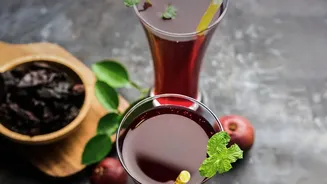
Walk into a chic cafe today, and alongside the usual cappuccinos and matcha lattes, you might find drinks glowing with the ruby tint of kokum or the deep purple of jamun. These beloved, traditional Indian summer fruits are experiencing a renaissance,
moving beyond homemade sherbets into the spotlight of modern beverage menus. This isn't just about nostalgia; it's a culinary glow-up. Cafes are tapping into a growing consumer desire for drinks that are both familiar and innovative, offering a taste of home with a contemporary, health-conscious twist. The trend signals a broader shift towards hyper-local ingredients and a celebration of India's rich botanical diversity.
The Gentle Art of Cold-Steeping
The secret to this revival lies in the preparation method: cold steeping. Unlike traditional techniques that often involve boiling fruit with sugar to make a concentrate, cold steeping is a slow, patient process. The fruit is simply left to infuse in cold water for several hours, often overnight in a refrigerator. This gentle extraction pulls out delicate flavours and vibrant colours without the harshness that heat can introduce. Scientific studies on teas and botanicals show this method releases fewer tannins—the compounds that cause bitterness—resulting in a drink that is smoother, naturally sweeter, and more aromatic. It’s a technique that honours the ingredient, allowing its true character to shine.
Kokum and Jamun: The Humble Stars
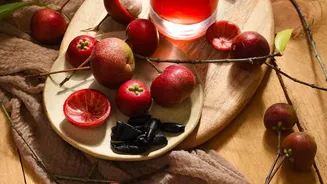
Kokum, or Garcinia indica, is a tangy fruit native to the Western Ghats, celebrated for its cooling properties and as a digestive aid. Its distinctly sour profile, traditionally balanced in sherbets, becomes mellow and nuanced when cold-steeped, revealing subtle fruity notes. Jamun, the deep purple monsoon fruit, offers a sweet, tart, and slightly astringent taste. It is packed with antioxidants, particularly anthocyanins which provide its colour, and has been used in Ayurveda to help manage blood sugar levels. For generations, these fruits were staples in household kitchens; now, they're being recognized for their complex flavours and functional benefits in a commercial setting.
Why Now? A Shift in Consumer Palate
This trend is perfectly timed. Indian consumers are increasingly health-conscious, moving away from sugary, artificial sodas towards beverages with functional benefits. A cold-steeped kokum or jamun cooler fits this demand perfectly, offering natural refreshment without excessive sugar. There is also a growing appreciation for regional and indigenous ingredients. Diners are more adventurous, curious about origin, and eager to support local food systems. For cafes, using ingredients like kokum and jamun is a way to create a unique identity, tell a compelling story, and connect with a modern Indian audience that values both wellness and heritage.
More Than Just a Drink
The embrace of cold-steeped indigenous fruits is more than a fleeting trend; it represents a thoughtful evolution in India's food and beverage scene. By giving traditional ingredients a modern platform, cafes are helping to preserve culinary heritage and introduce it to a new generation. This movement also has the potential to create a more robust market for underutilized fruits like kokum, which has historically been considered a minor forest product rather than a commercial crop. It encourages a direct connection between urban consumers and regional producers, fostering a greater appreciation for the country's agricultural bounty. As this trend grows, it paves the way for other native Indian botanicals to find their moment in the sun.