







The Sun’s Double-Edged Sword
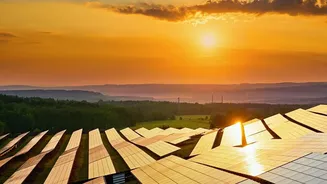
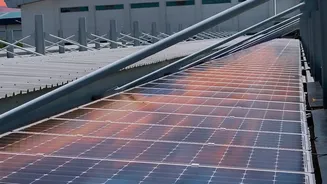
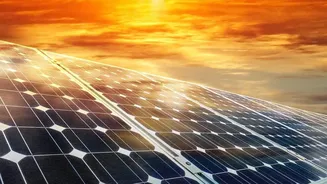
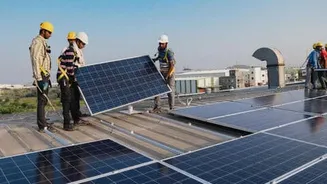
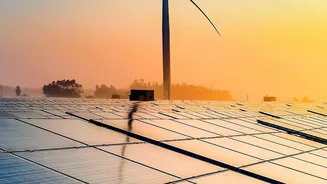
Solar energy is a cornerstone of our clean energy future, but the infrastructure it relies on faces a fundamental paradox. The constant exposure to ultraviolet (UV) radiation from the sun, while essential for generating electricity, also causes significant
degradation over time. This process, known as photodegradation, affects not just the photovoltaic cells themselves but also the protective backsheets, encapsulants, and support structures. Over the years, this damage leads to a gradual loss of efficiency, with panels typically losing a small percentage of their power output annually. While this may seem minor, across a large-scale solar farm with thousands of panels, it adds up to significant revenue loss and shortens the effective lifespan of the assets, complicating long-term energy planning and financial returns.
Nature’s Ultimate Sunscreen
Nature, however, solved the problem of UV protection millions of years ago. The solution is melanin, the pigment responsible for colour in human skin, hair, and eyes. In our skin, melanin acts as a natural sunscreen, absorbing harmful UV radiation and dissipating its energy as harmless heat before it can damage the DNA in our cells. The more eumelanin—a specific, highly protective type of melanin—present in the skin, the greater the natural defence against sun damage. This remarkable biological function has not gone unnoticed by scientists, who have long been intrigued by melanin's potential for applications far beyond biology.
From Biology to a Bionic Shield
The challenge has been to harness melanin's protective properties for industrial use. Researchers are now developing bio-synthetic melanin, a lab-created version that mimics the structure and function of the natural pigment. Often created through the polymerization of dopamine, this synthetic melanin can be produced in a controlled manner, making it suitable for technological applications. This process allows scientists to create thin films and coatings that possess melanin’s extraordinary ability to absorb a broad spectrum of light, from UV to infrared. The goal is to create a durable, effective coating that can be applied to surfaces to protect them from radiation damage, much like a permanent layer of high-performance sunscreen.
How the Melanin Coating Works
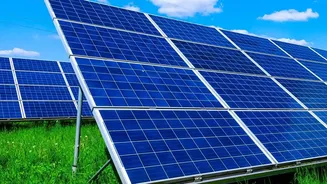
When applied to solar infrastructure, a bio-synthetic melanin coating would act as a primary line of defence. The coating's complex molecular structure is exceptionally good at intercepting high-energy UV photons. Instead of letting that energy strike and break down the panel's materials, the melanin absorbs it and efficiently converts it into heat, which then dissipates. This process shields the sensitive semiconductor layers and polymeric components of the solar panel from the degradation that causes them to crack, yellow, and lose performance. By preventing this damage at the surface, the coating helps maintain the structural integrity and electrical insulation of the entire module, ensuring it operates efficiently for much longer.
The Future of Resilient Solar Power
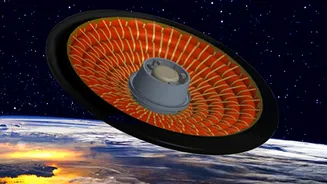
The implications of this technology are vast. By significantly slowing the degradation process, melanin coatings could extend the operational lifespan of solar panels well beyond the current 25-to-30-year standard. This increased durability means lower replacement rates, less waste, and a more stable and predictable energy supply. For the solar industry, this translates to a lower levelized cost of energy—a key metric for competitiveness—and improved long-term profitability for solar farm operators. Furthermore, the technology is not limited to solar panels; it has potential applications in protecting everything from building materials to spacecraft from radiation damage. As research progresses from the lab to real-world trials, this nature-inspired innovation could play a pivotal role in making our renewable energy infrastructure more robust and sustainable for decades to come.