






The Burden of Ownership
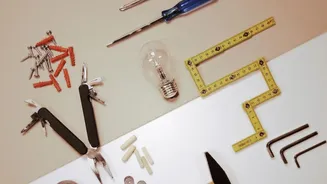
In the increasingly compact apartments of urban India, space is the ultimate luxury. Every square foot is precious, yet cupboards and lofts are often cluttered with items bought for a single purpose: a ladder for that one high shelf, an electric screwdriver
for a DIY furniture project, or a high-pressure washer for an annual car cleaning. This model of individual ownership for seldom-used items is not just inefficient; it's expensive. For many urban dwellers, purchasing a piece of equipment they might use only once a year feels wasteful, yet not having access to it when needed is a frustrating dilemma. This challenge, common across metros like Mumbai, Bengaluru, and Delhi, has laid the groundwork for a new, more collaborative approach to consumption.
Enter the Library of Things
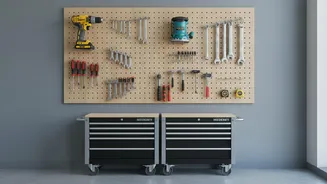
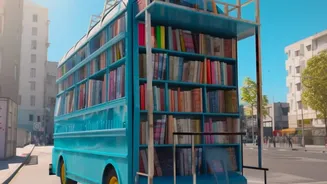
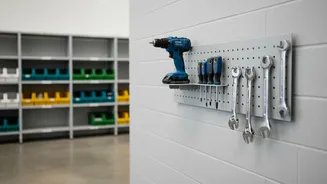
The solution taking root is the tool-sharing library, or a 'Library of Things'. It operates on a simple, powerful premise: why should everyone on a floor own a drill when the entire floor can share one? Housing societies are setting up dedicated spaces where residents can borrow a range of items, from power tools and ladders to gardening equipment and even board games. Much like a traditional book library, these community hubs allow residents to access what they need, when they need it, without the cost and clutter of ownership. Residents can often donate their own rarely used items to the collection, making them available for the whole community. Some societies manage this through a simple logbook, while more tech-savvy ones use dedicated apps where residents can browse inventory, check availability, and reserve items with a few clicks.
More Than Just Saving Money
While the financial benefit is the most obvious driver, the motivation runs deeper. This trend is a practical application of the circular economy, focusing on maximising the use of resources and minimising waste. Instead of a hundred households buying a hundred cheap, disposable tools, a community can invest in a few high-quality, durable ones that everyone can share. This significantly reduces consumption and the environmental impact associated with manufacturing, packaging, and disposal. Furthermore, it gives residents access to better equipment than they might have purchased individually, leading to better results for their home projects. This shift from ownership to access aligns with a growing global consciousness around sustainability and minimalist living.
Rebuilding Neighbourhood Bonds
Perhaps the most significant impact of these tool libraries is social. In the anonymous, fast-paced environment of a big city, neighbours are often strangers. Community amenities can play a crucial role in fostering interaction and building relationships. A tool library becomes more than just a place to borrow a hammer; it’s a natural point of connection. It creates opportunities for conversation, for sharing skills—the person borrowing a saw might get advice from a neighbour who is an experienced carpenter—and for building trust. These small interactions are the building blocks of a true community, creating a support network among residents. This sense of belonging is especially important in large, impersonal apartment complexes, transforming them into more supportive and collaborative living environments.
A Blueprint for Urban Living
The rise of the sharing economy, popularized by platforms for transport and food delivery, has changed consumer mindsets. People, especially younger generations, are increasingly comfortable with the idea of access over ownership. Tool libraries are a grassroots extension of this principle, applying it at a hyper-local level. They empower residents, provide practical solutions to everyday problems, and foster a spirit of mutual aid. While the concept is still nascent, it represents a powerful model for the future of urban life in India. By turning underutilised assets into shared resources, these initiatives are making city living more affordable, sustainable, and, most importantly, more connected.