









The Monsoon Morning Ritual
In the Tulu-speaking region of Tulunadu, the month of 'Aati' (mid-July to mid-August) is marked by heavy monsoons. Traditionally, this was a lean period with limited work and a higher risk of water-borne diseases. As a form of preventative healthcare,
communities turned to nature. On Aati Amavasya, the new moon day, a special ritual unfolds before sunrise. Family members gather the bark of the Paale Mara, or Devil Tree (Alstonia scholaris), traditionally using a stone to avoid metal contact. The bark is pounded to extract a bitter juice, which forms the base of the Aati Kashaya. This potent, dark-coloured decoction is consumed on an empty stomach, a practice believed to cleanse the system and build immunity for the harsh season ahead.
A Potion of Place and Prevention
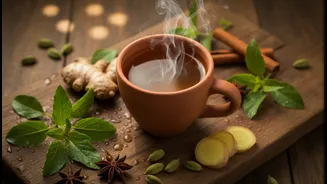
The Aati Kashaya is more than just tree bark; it's a complex herbal preparation. Spices like black pepper, garlic, cumin, and ajwain (carom seeds) are often added to the juice, which is then lightly boiled. The science behind the tradition is rooted in Ayurveda and local ethnobotany. The Alstonia scholaris tree is renowned in traditional medicine for its various properties and is used to treat everything from fevers to skin conditions. Traditional belief holds that the bark's medicinal potency is at its peak on Aati Amavasya. The practice is a testament to a deep ecological wisdom — using hyperlocal, seasonal ingredients to create a preventative tonic that addresses the specific challenges of the environment. It is a holistic approach to health that focuses on strengthening the body from within.
From the Coast to the Concrete Jungle
While you won't find Aati Kashaya served at your local city cafe, the philosophy behind it is inspiring a wave of botanical wellness trends across India's metropolises. The post-pandemic era has seen a surge in wellness consciousness, with a renewed interest in natural, holistic, and preventative health solutions. Urban consumers are increasingly seeking authenticity and a connection to nature, moving away from synthetic products toward plant-based remedies. This has created a fertile ground for businesses and practices that echo the principles of the Aati tradition, even if they don't use the exact same ingredients.
The New Urban Apothecary
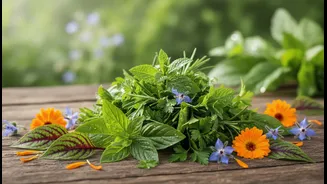
This modern wellness movement manifests in several ways. The concept of using local, seasonal botanicals is thriving. Urban foraging walks, where people learn to identify edible and medicinal plants growing in city parks like Bengaluru's Cubbon Park, are gaining popularity. Cafes and wellness brands are introducing artisanal herbal infusions, mushroom coffees, and other plant-based drinks that focus on immunity and gut health. The rise of 'farm-to-glass' beverages and craft cocktails using foraged ingredients and house-made bitters mirrors the Aati principle of using what grows around you. This trend is not just about health; it's about reclaiming forgotten knowledge and building a more sustainable, localized food system.
More Than a Trend, A Timeless Philosophy
The embrace of botanical wellness in cities like Bengaluru, Mumbai, and Delhi is more than just a fleeting trend. It signifies a deeper cultural shift. As urban life becomes more stressful and disconnected from nature, there is a growing yearning for wellness practices that are grounded, transparent, and meaningful. The principles embodied by Aati Kashaya—seasonality, hyperlocal sourcing, preventive care, and a respect for ancestral wisdom—offer a powerful antidote to the fast-paced, globalized wellness industry. It is a return to the idea that health is not something you simply buy, but something you cultivate in harmony with your environment.