

Panchamrit: The Divine Nectar
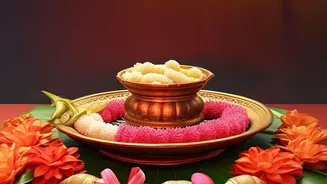
Panchamrit, which translates to "five nectars," is a sacred offering essential to many Hindu pujas, including Janmashtami. It's a simple, uncooked mixture of five ingredients: raw cow's milk, curd (yogurt), honey, sugar, and ghee. Each component holds
symbolic meaning: milk for purity, curd for prosperity, honey for unity, sugar for bliss, and ghee for victory and strength. This divine concoction is first used for the ritual bathing of the deity's idol (abhishekam) and then distributed as prasad. It's revered not just for its spiritual significance but also for its health benefits, believed to boost immunity and purify the body.
Dhaniya Panjiri: The Warming Prasad
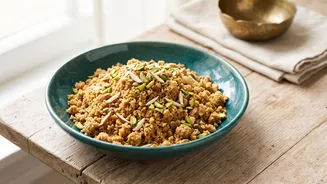
A staple in North Indian households, especially during Janmashtami, Dhaniya Panjiri is a unique and aromatic sweet. Unlike other flour-based panjiris, this version uses roasted and ground coriander seed powder as its base, making it a popular choice for those fasting from grains. The coriander powder is slowly roasted in ghee until fragrant, then mixed with powdered sugar, chopped nuts like almonds and cashews, and roasted makhana (fox nuts). The result is a crumbly, nutty, and warming prasad that is often eaten to break the fast after midnight prayers. Its distinctive flavour is both comforting and deeply traditional.
Gopalkala: A Savoury Community Dish
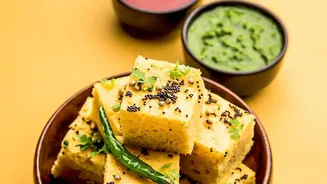
Primarily a Maharashtrian tradition, Gopalkala is a savoury mixture that embodies the spirit of community and sharing. The name itself gives a clue to its origin: 'Gopal' refers to Krishna as a cowherd, and 'kala' means mixture. Legend says that Krishna and his friends would pool their lunches together while grazing cattle, creating a shared meal. Gopalkala reflects this story. Its base is poha (flattened rice) mixed with curd, milk, cucumber, and sometimes fruits and nuts. It’s the very dish that fills the famous Dahi Handi pots, which are broken with great fanfare on the day after Janmashtami. The recipe is flexible, symbolising that everyone can contribute what they have, creating a dish of togetherness.
Mewa Paag: The Rich Nut Brittle
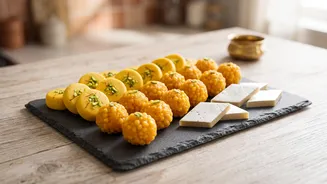
For those with a serious sweet tooth, Mewa Paag is an unmissable Janmashtami delicacy. It is a type of brittle or fudge made from a generous amount of nuts and seeds set in a sugar syrup. Key ingredients often include makhana (fox nuts), almonds, cashews, melon seeds, and grated dried coconut, all roasted in ghee to bring out their flavour. These are then folded into a carefully prepared one-string consistency sugar syrup and poured onto a greased plate to set. Once cooled, it's cut into squares. This rich, crunchy, and decadent sweet is a celebration in itself, packed with energy and festive flavour.
Kheer: The Timeless Pudding
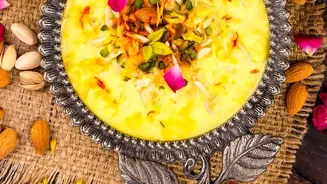
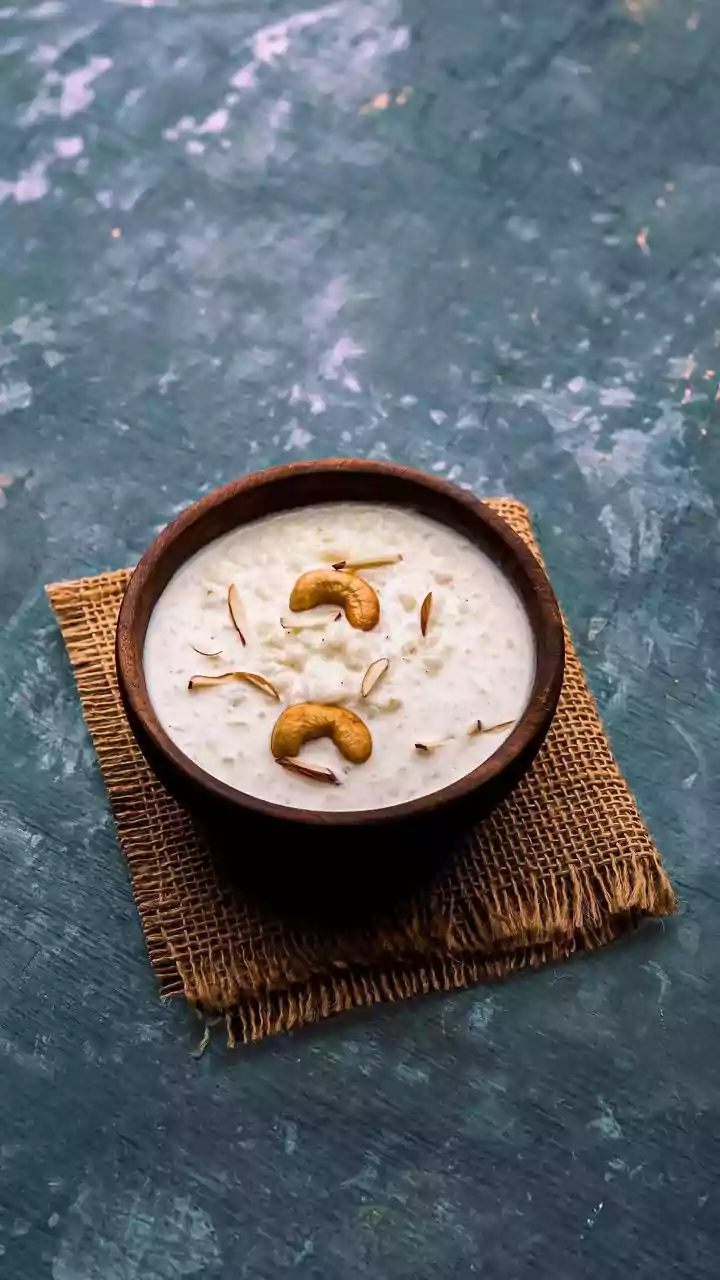
No Indian festival feels complete without kheer, and Janmashtami is no exception. This creamy pudding, made by slowly simmering milk, rice, and sugar, is a comforting and beloved offering. For Janmashtami, several variations are popular. Besides the classic rice kheer, many prepare Makhane ki Kheer, using roasted fox nuts for a unique texture. Another option for those fasting is Sabudana Kheer, made with tapioca pearls. Flavoured with cardamom and garnished with saffron and slivered nuts, kheer is a simple yet elegant dish offered to Lord Krishna as part of the bhog.