



The Tea Bungalows of Upper Assam
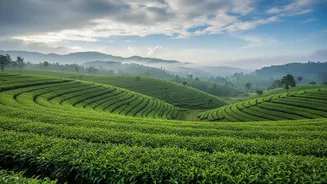
There is perhaps no more quintessential Assamese experience than staying in a colonial-era tea bungalow during the monsoon. Districts like Jorhat, Dibrugarh, and Tinsukia are the heart of India's tea production, and the rainy season from June to September
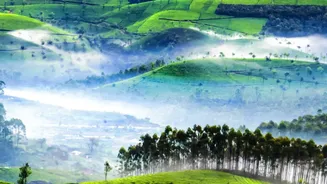
is a magical time to visit. Imagine waking up to the sight of endless green gardens drenched in morning rain, the air thick with the smell of petrichor and fresh tea leaves. Many historic bungalows have been converted into heritage stays, offering a luxurious and serene retreat. You can spend your days walking through the vibrant plantations, watching the deft tea-pluckers at work, and enjoying guided tours of factories to see the tea-making process. The evenings are for curling up with a book and a cup of the finest local brew as the rain patters on the roof—a truly peaceful escape.
Haflong: The Misty Hill Station
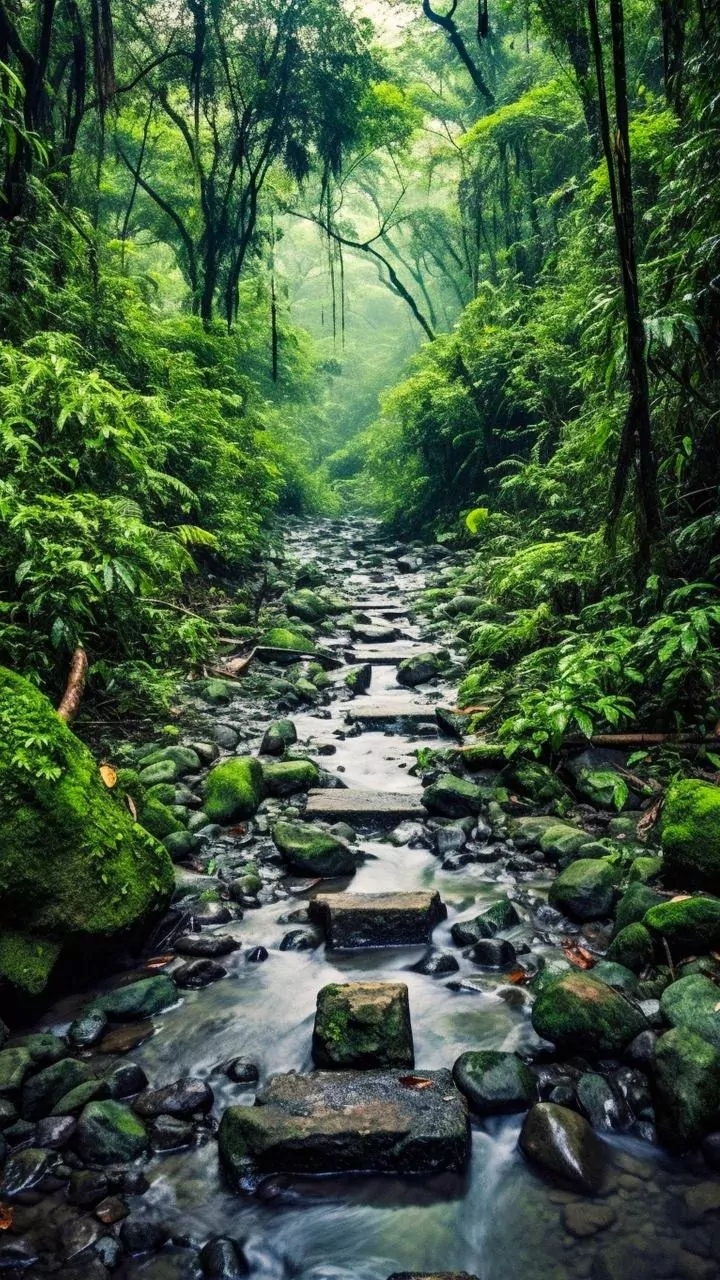
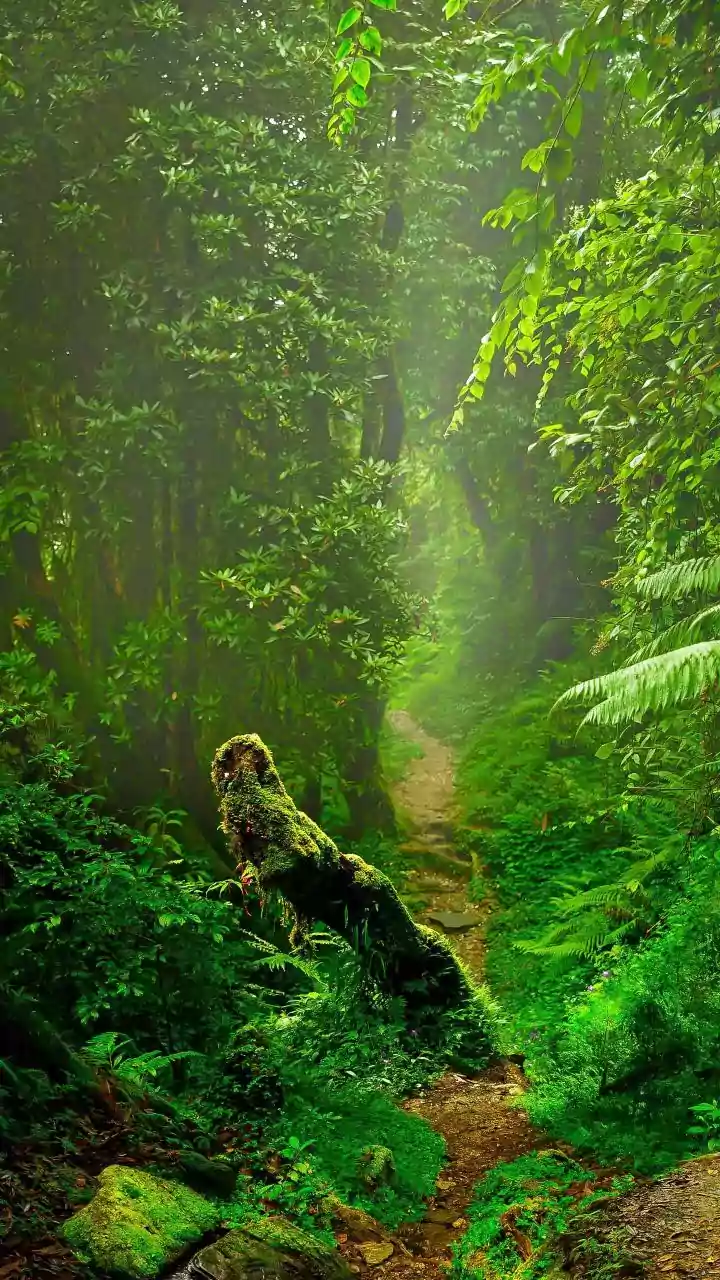
Known as the 'Switzerland of the East', Haflong is Assam's only hill station and it truly comes alive during the monsoon. Nestled in the Dima Hasao district, the rains transform its rolling hills and valleys into a breathtaking canvas of deep greens and swirling mist. The Haflong Lake, situated in the heart of the town, becomes even more beautiful, offering serene boating opportunities against a backdrop of cloudy skies. For the more adventurous, the monsoon season makes the surrounding landscape perfect for trekking to roaring waterfalls that are at their peak. It’s an ideal spot for those seeking solitude, as the misty weather creates a tranquil atmosphere far from the hustle of mainstream tourist spots.
Deepor Beel: A Birdwatcher's Paradise
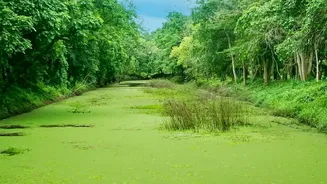
Just on the outskirts of Guwahati, Deepor Beel, a permanent freshwater lake and a Ramsar site, becomes a haven for nature lovers during the monsoon. The rains recharge the wetlands, attracting a vibrant ecosystem of aquatic life and birds. This season is particularly rewarding for birdwatchers, as many resident bird species are active. A quiet boat ride on the lake offers a chance to soak in the serene beauty and observe the diverse avian population against a lush, green backdrop. The monsoon turns the entire area into a vibrant sanctuary, making it a perfect half-day escape for those seeking a quiet connection with nature without travelling too far from the city.
Sivasagar: History Amidst the Rain
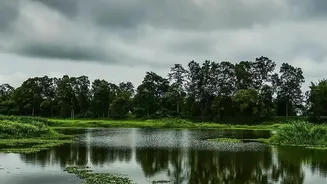
For those who find peace in history, the ancient Ahom capital of Sivasagar offers a unique monsoon experience. The rain washes over the centuries-old monuments, giving them a mystical, timeless quality. The massive Sivasagar tank, one of the largest man-made lakes in India, appears even more grand with the grey monsoon sky reflecting on its surface. Exploring rain-drenched monuments like the Rang Ghar, an ancient amphitheatre, and the Talatal Ghar palace, feels like stepping back in time. The surrounding landscape, turned lush and green by the rains, adds to the serene and contemplative atmosphere of this historic town.
A Note on National Parks and Islands
It's important for travellers to know that some of Assam's most famous destinations have limited access during the monsoon. Major national parks like Kaziranga and Manas are typically closed to visitors from around May or June until October. The heavy rains and flooding of the Brahmaputra River make jeep and elephant safaris impossible. Similarly, while beautiful, Majuli, the world's largest river island, can be challenging to visit. Ferry services are often suspended due to high water levels and flooding, making travel unpredictable. While some operators offer immersive, rugged monsoon experiences on the island for adventurous travellers, it's generally advised to plan a first-time visit outside the flood season for easier access.