




The Great Unplugging
A quiet but significant shift is reshaping how Indians travel. Weary of the noise and relentless pace of urban life, a growing number of travellers are seeking more than just a change of scenery; they are seeking a change of pace. This movement, sometimes
called 'slow travel', prioritises depth over breadth. Instead of a whirlwind tour of famous landmarks, the goal is to connect with a single place more deeply. The primary motivation for travel is shifting towards relaxation and disconnection. It’s less about how many places you can see and more about how much you can genuinely experience, turning a vacation into a restorative act rather than another source of exhaustion.
From Tourist Traps to Homestays
This search for authenticity is leading travellers away from large, impersonal hotels and towards smaller, more intimate accommodations. Homestays and farm stays are at the heart of this trend, offering a window into local life that a conventional hotel cannot. The Indian homestay market, already valued at over ₹4,700 crore and growing, taps into the age-old tradition of 'Atithi Devo Bhava' (the guest is god), turning a spare room into an immersive cultural experience. Similarly, agritourism is booming, with a projected growth rate of over 17% annually. This allows travellers to stay on working farms, participate in harvesting, and understand the journey of their food from the soil to the plate, an experience particularly rich in regions like Maharashtra's Konkan coast.
A Taste of Place
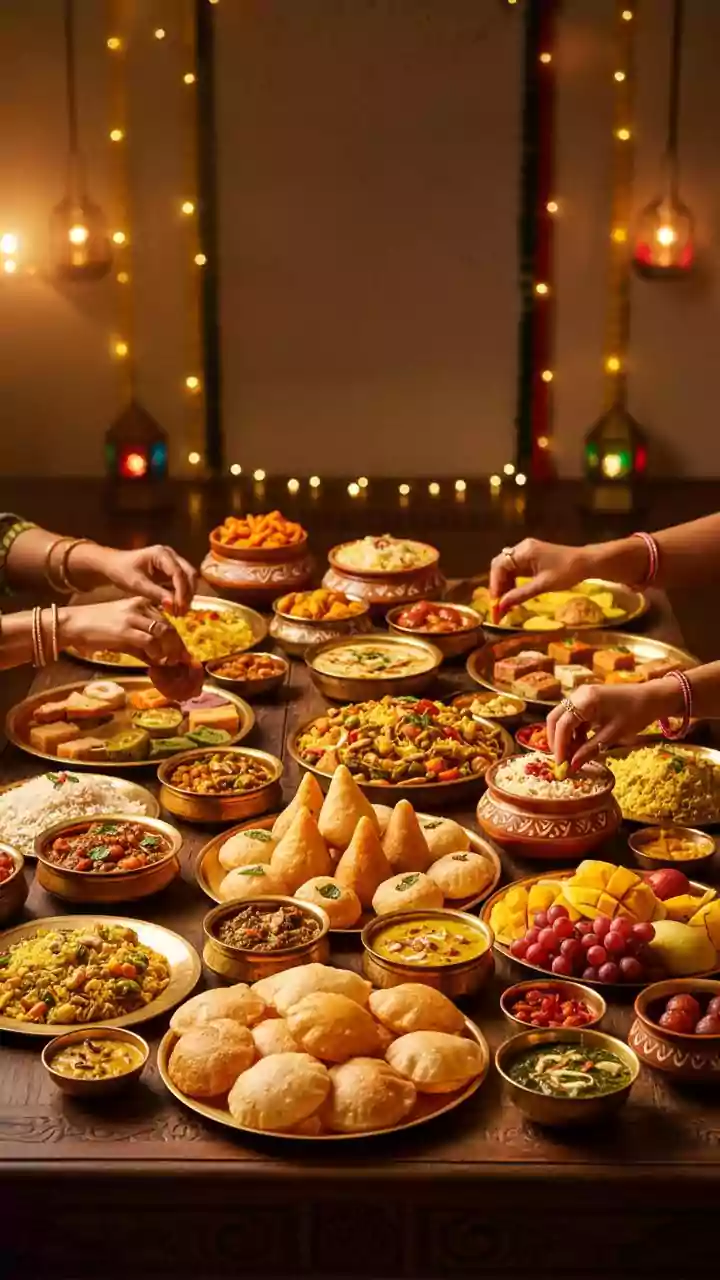
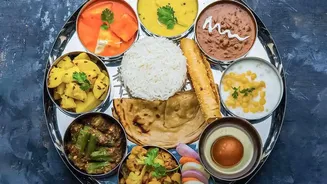
Food has become a primary driver of travel decisions, with a recent survey showing that for 88% of Indian travellers, the culinary landscape shapes their choice of destination. This new wave of travel is not about fine dining restaurants but about discovering the soul of a place through its food. It's about understanding that what's on the plate is dictated by climate, soil, and season. Travellers are increasingly seeking out home-cooked meals, exploring local markets, and even taking part in cooking workshops to learn regional techniques. From the slow-steamed Siddu in a Himachali home to the coconut-rich seafood of the Karnataka coast, regional cuisine offers a direct and delicious connection to the local culture.
Where to Find the Quiet
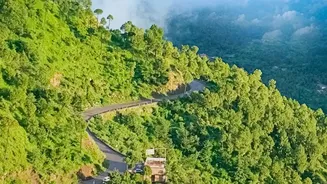
This trend isn't confined to one region; it's a nationwide movement. In the north, Himalayan destinations like Dharamshala, Rishikesh, and quieter parts of Uttarakhand are seeing a surge in interest from those seeking wellness and nature. Lesser-known villages in Himachal's Spiti or Tirthan Valley offer serene escapes from their crowded counterparts like Shimla and Manali. In the south, the lush landscapes of Coorg, Wayanad, and the backwaters of Kerala provide a perfect backdrop for slowing down, especially during the green monsoon season. Even popular destinations like Goa and Rajasthan can offer a quieter experience when visited in the off-season or by exploring smaller towns like Aldona or Bundi instead of the main tourist hubs. The key is to look beyond the obvious, seeking out places valued for their peace rather than their popularity.