




The End of the Off-Season
For years, the Indian travel calendar was predictable: summer for mountains, winter for beaches, and monsoon for a break. That pattern is rapidly changing. Recent data from travel platforms reveals a significant shift, with the rainy months no longer
being treated as a lean period. According to travel platform Cleartrip, hotel bookings have surged by nearly 54% year-on-year during the monsoon, indicating a strong appetite for seasonal travel. This isn't just about a few weekend trips; it signals a fundamental change in how travellers view the monsoon. Instead of an inconvenience, it's now seen as an opportunity for unique experiences, driven by those seeking immersive, nature-led, and offbeat adventures. This growing trend suggests that the concept of a travel "off-season" is becoming a thing of the past.
The Allure of a Rain-Soaked Holiday
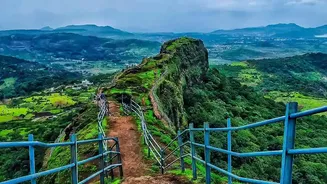
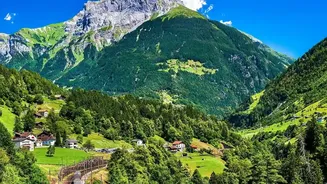
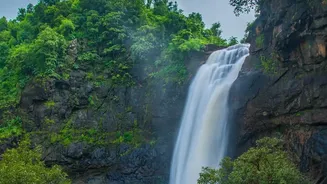
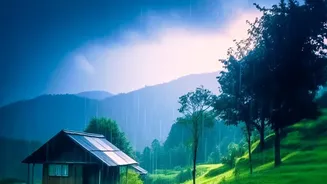
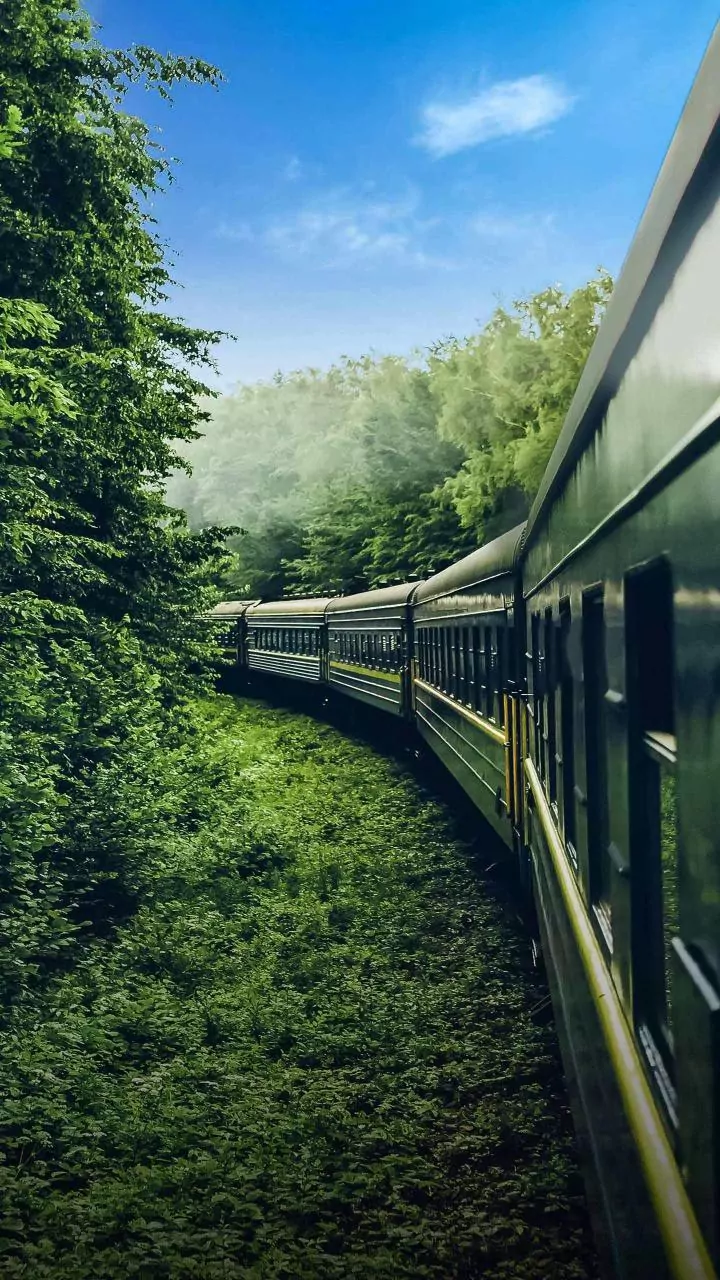
What’s driving this change? A major factor is the desire to escape the crowds that plague popular destinations during peak seasons. With fewer tourists, iconic sites become more accessible, offering a more relaxed and authentic experience. Another significant draw is affordability. Travel and accommodation prices often drop by 25-50% during the monsoon, making luxury stays more accessible for budget-conscious travellers. But beyond the practical benefits, there's a growing appreciation for the monsoon's unique aesthetic. The rains transform arid landscapes into lush, green wonderlands, bringing waterfalls to life and carpeting hills in vibrant foliage. This dramatic natural beauty, combined with cooler temperatures, creates a powerful draw for those looking for a different kind of beauty.
A New Generation of Traveller
At the forefront of this trend are independent and solo travellers. Recent data shows a 65% rise in flight bookings for individual travellers during the monsoon season. This demographic is often more adventurous and flexible, seeking experiences over pre-packaged itineraries. The rise of “slow travel” and a focus on wellness also plays a role. Many are choosing destinations where they can disconnect and immerse themselves in nature, with searches for places like Rishikesh and Mussoorie growing over 160% year-on-year. The modern traveller is less concerned with seeing everything and more interested in feeling something, and the serene, reflective atmosphere of the monsoon provides the perfect backdrop for this kind of journey.
Monsoon Hotspots: Beyond the Usual
While traditional monsoon getaways like Goa, Kerala, and Lonavala remain popular, travellers are increasingly exploring offbeat destinations. The Northeast has emerged as a major hotspot, with states like Nagaland and Arunachal Pradesh seeing flight bookings jump by over 60% and hotel bookings by more than 90%. In the south, destinations in the Western Ghats such as Wayanad, Coorg, and Ooty are experiencing a surge in visitors, drawn to the misty tea and coffee plantations. Even parts of Rajasthan, like Udaipur, which are dry for much of the year, become lush and appealing during the rains, offering a different perspective on the royal state.
A Reality Check Before You Go
While monsoon travel is rewarding, it's essential to be prepared. The season has its challenges. Heavy rainfall can lead to travel disruptions, including landslides in hilly regions and delayed flights. Coastal areas may have rough seas, making beach activities unsafe, and many beach shacks and resorts close down. Humidity can be high, and insects are more prevalent. It’s crucial to pack waterproof gear, mosquito repellent, and quick-drying clothes. Additionally, many national parks and wildlife sanctuaries remain closed from June to October, so tiger safaris are generally not an option. A successful monsoon trip depends on choosing your destination wisely and maintaining a flexible attitude towards your plans.