







Turmeric: The Golden Spice of Life
Turmeric, the vibrant yellow spice that gives curry its characteristic colour, has been a cornerstone of Ayurvedic medicine for centuries. Its power lies in a compound called curcumin, which is known for its potent antioxidant and anti-inflammatory effects.
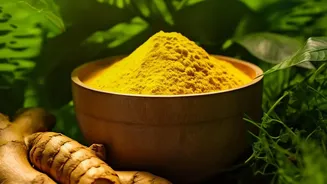
Chronic inflammation is linked to numerous health issues, and curcumin helps by blocking certain molecules that can trigger it. Research suggests that curcumin can help manage joint discomfort and protect cells from damage caused by free radicals from pollution or sunlight. However, curcumin is not easily absorbed by the body on its own. A simple trick to enhance its absorption is to consume it with a pinch of black pepper, which contains piperine, a substance shown to dramatically increase curcumin's availability. Adding turmeric to your daily diet, whether in milk, soups, or curries, is a simple way to harness its benefits.
Ginger: The Pungent Root of Wellness
Ginger is another powerful rhizome celebrated for both its culinary zest and medicinal properties. Its main bioactive compound is gingerol, which is responsible for much of its health-promoting capacity. Ginger is widely known for its ability to soothe digestive issues and combat nausea. Beyond digestion, gingerol provides significant anti-inflammatory and antioxidant benefits. Some studies have found that ginger can provide relief from pain, similar to common over-the-counter medications, making it a popular choice for menstrual cramps and arthritis-related joint pain. It also contains vital minerals and vitamins, such as vitamin C and magnesium, that can help support a healthy immune system. Recent laboratory research suggests that gingerols can even enhance the response of certain white blood cells that fight bacteria. Whether freshly grated into tea or added to a stir-fry, ginger is a versatile and effective addition to a healthy diet.
Tulsi: The Queen of Herbs
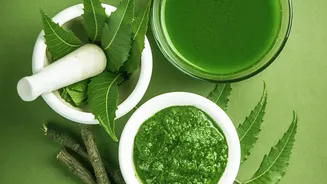
Tulsi, or holy basil, is a revered herb in Ayurveda and is considered a sacred plant in India. It is classified as an adaptogen, which means it helps the body adapt to stress and promotes mental balance. In our fast-paced world, managing stress is crucial for overall health, and tulsi helps by calming the nervous system and potentially lowering levels of the stress hormone cortisol. This can lead to improved sleep and mood. Rich in antioxidants and compounds like eugenol, tulsi also supports a strong immune system and promotes respiratory health by helping to clear congestion. It has traditionally been used to support lung health, promote healthy circulation, and aid digestion. Enjoyed as a soothing tea or by adding its fresh leaves to salads, tulsi is a gentle yet powerful herb for daily wellness.
A Powerful Trio for Daily Health
While each of these ingredients is powerful on its own, they can be even more effective when used together. Combining turmeric, ginger, and tulsi creates a synergistic blend that supports the body from multiple angles. A warm tea or 'kadha' made with all three can be a comforting and effective way to soothe a sore throat, support digestion, and bolster your body's natural defences. To prepare a simple daily tea, boil water and add grated ginger and a pinch of turmeric powder, letting it simmer for five to ten minutes. Then, add a few fresh tulsi leaves and let them steep for a couple more minutes before straining. A touch of honey and a squeeze of lemon can be added for flavour. This simple daily ritual can be a delicious and easy way to integrate the healing properties of these three incredible plants into your life.