






The Monsoon's Unsung Hero
There’s an undeniable connection between the monsoon and our kitchens. As the sky turns grey and the temperature drops, our appetites steer towards warmth, comfort, and nostalgia. While fried snacks often steal the spotlight, upma holds a special place
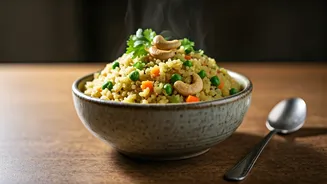
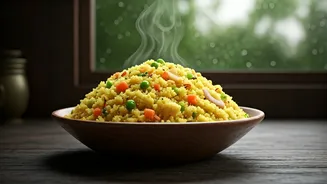
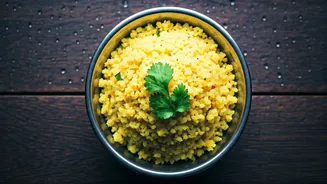
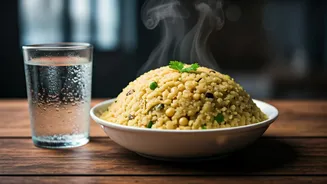
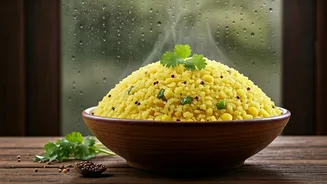
as the quiet, reliable hero of rainy-day cravings. It’s a dish that’s simultaneously simple and profoundly satisfying. More than just a quick breakfast, a bowl of hot upma on a rainy afternoon feels like a hug from the inside. Its soft texture, mild spices, and wholesome nature provide a gentle comfort that feels perfectly in sync with the weather outside. It’s quick to make, uses pantry staples, and fills the home with the wonderful aroma of roasted semolina and sizzling mustard seeds—the perfect sensory antidote to a gloomy day.
Secrets to Fluffy, Not Pasty, Upma
The difference between glorious, fluffy upma and a disappointing, lumpy porridge lies in a few key techniques. Getting these right will elevate your dish from merely edible to truly memorable. First, always dry roast the rava (semolina) on low heat until it becomes fragrant and changes colour ever so slightly. This step is non-negotiable; it prevents stickiness and imparts a nutty flavour. Second, master the water ratio. The golden rule is typically 1 part rava to 2 or 2.5 parts water. Using boiling water instead of cold water is another pro-tip; it cooks the rava instantly and evenly, preventing clumps. Finally, your tadka (tempering) is where the flavour begins. Don't rush it. Let the mustard seeds splutter completely and the dals turn golden brown to release their full aromatic potential. A generous spoonful of ghee added at the end will lend a beautiful sheen and rich flavour.
The Perfect Rainy Day Recipe
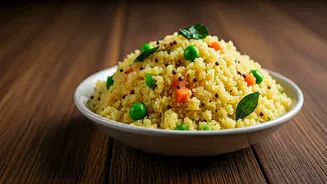
This recipe is designed for comfort, with a little extra ginger for warmth. **Ingredients:** - 1 cup rava (semolina) - 2.5 cups hot water - 1 large onion, finely chopped - 1-2 green chillies, slit - 1-inch piece of ginger, finely grated - 1 tsp mustard seeds - 1 tsp urad dal - 1 tsp chana dal - A few curry leaves - A pinch of asafoetida (hing) - 2 tbsp oil or ghee (plus 1 tbsp for finishing) - Salt to taste - A handful of roasted cashews for garnish - Chopped coriander for garnish - A lemon wedge for serving **Method:** 1. In a dry pan, roast the rava on low-medium heat for 5-7 minutes until aromatic. Transfer to a plate and set aside. 2. In the same pan, heat the oil or ghee. Add mustard seeds and let them splutter. Add urad dal and chana dal and sauté until they turn light golden. 3. Add the curry leaves, asafoetida, slit green chillies, and grated ginger. Sauté for 30 seconds. 4. Add the chopped onion and cook until translucent. You can also add finely chopped vegetables like carrots and peas at this stage. 5. Carefully pour in the 2.5 cups of hot water and add salt. Bring the mixture to a rolling boil. 6. Reduce the heat to low. Slowly and steadily, pour the roasted rava into the boiling water with one hand while continuously stirring with the other to prevent lumps. 7. Once all the rava is incorporated, cover the pan and let it cook on the lowest heat for 3-4 minutes, until all the water is absorbed. 8. Turn off the heat. Fluff the upma with a fork. Add the final tablespoon of ghee and the roasted cashews. Mix gently, garnish with coriander, and serve hot.
Ways to Elevate Your Upma
While classic upma is wonderful on its own, a few simple additions can make it even more special. For a richer texture and flavour, add a tablespoon of grated fresh coconut along with the coriander at the end. For a bit of crunch, top it with a spoonful of savoury boondi or sev just before serving. Serving it alongside a simple coconut chutney or a tangy tomato chutney also adds another layer of flavour. In some parts of India, a small spoonful of sugar is sprinkled on top to balance the savoury notes—don't knock it till you've tried it! And of course, nothing beats a squeeze of fresh lemon juice over the hot upma to brighten all the flavours and make it sing.