




Amidst the urban hustle, it’s easy to miss the vibrant nature sharing our city spaces. But what if you could invite it closer? A simple bowl of water is all it takes to turn your balcony or garden into a haven for diverse bird species this autumn.
Why Water Is a Lifeline in Autumn
While
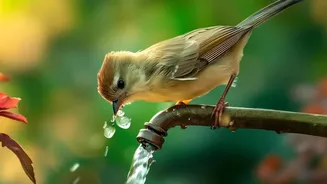
we often associate providing water for birds with scorching summer heat, autumn presents its own set of challenges for our feathered friends. As temperatures cool and natural puddles from monsoon rains dry up, reliable water sources can become scarce in urban environments. Birds require water for two critical functions: drinking and bathing. Drinking is essential for hydration, especially for species that have a dry diet of seeds and grains. Bathing is equally vital for feather maintenance. A quick dip helps loosen dirt and parasites, allowing birds to preen effectively. This process involves coating their feathers with waterproofing oil from a gland near their tail, which is crucial for insulation against the coming chill and for maintaining flight-readiness.
The Autumn Avians You Might Attract
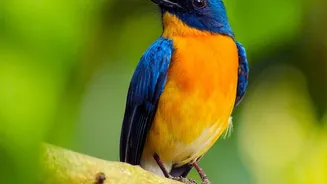
Placing a water bowl can transform your space into a bustling bird cafe, attracting a delightful variety of species common to Indian cities. Keep an eye out for the ever-cheerful House Sparrows and the confident, strutting Common Mynas. You may also host the lively Red-vented Bulbul, easily identifiable by its jaunty crest and splash of red beneath its tail. The rhythmic, metallic calls of the Coppersmith Barbet might signal its arrival, as these small, colourful birds often visit gardens. In many cities, you’ll also see flocks of bright green Rose-ringed Parakeets and perhaps even the occasional shy Asian Koel, whose iconic call is a quintessential sound of the subcontinent. Providing water creates a micro-habitat that supports these birds and many more, offering you a front-row seat to the daily drama of urban wildlife.
Your Simple Guide to a Balcony Birdbath
Creating an inviting water station is remarkably easy and requires no special equipment. Start with a shallow bowl or dish; an earthen or terracotta plant saucer is ideal as it keeps water cool and provides a natural, non-slip grip. Avoid metal bowls, which can heat up, and make sure the container is no more than two to three inches deep. Birds, especially smaller ones, are wary of deep water. Place a few clean pebbles or a larger stone in the middle to create a perching spot and offer variable depths. Find a suitable location on your balcony, patio, or in your garden. The best spot is in the shade to slow evaporation, with a clear view of the surroundings so birds can spot predators. Placing it near a potted plant or shrub offers a safe place for them to land and preen after bathing, but avoid thick bushes where cats could hide.
The Dos and Don'ts of Bird Care
To ensure your birdbath is a safe and healthy environment, a little maintenance goes a long way. The most important rule is to keep the water clean. Change it daily or at least every other day to prevent the growth of algae and the spread of disease. When you change the water, give the bowl a quick scrub—using a simple brush with white vinegar or baking soda works well, but never use soap or chemical cleaners. Always rinse thoroughly. Consistency is key; birds will come to rely on your water source, so try to keep it filled. If you have pets, particularly cats, ensure the birdbath is placed in a high or inaccessible location. Finally, just provide water. While feeding birds can be enjoyable, simply offering a clean drink and a place to bathe is one of the most effective and beneficial ways to support your local bird population without creating dependency or attracting pests.