

What Exactly Is a Humidity Tray?
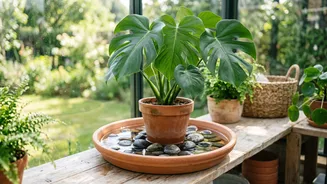
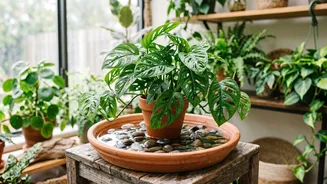
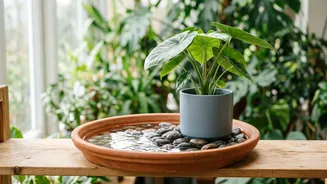
A humidity tray, often called a pebble tray, is simply a shallow, waterproof dish filled with a layer of pebbles or gravel and water. The plant's pot sits on top of the pebbles, elevated above the water level. This setup is a low-cost and low-maintenance
alternative to electric humidifiers for increasing moisture right where your plant needs it most. You can use a dedicated plant saucer, a decorative dish, or even a repurposed baking tray.
How It Works: Simple Science for Happy Plants
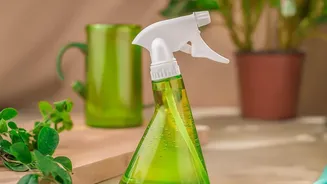
The principle behind a humidity tray is basic evaporation. The water in the tray slowly evaporates into the air. Because the plant is positioned directly above it, this process creates a small pocket of humid air—a microclimate—around the plant's foliage. This mimics the moist air of the tropical forests where many houseplants originate, helping to reduce water loss from their leaves and prevent issues like brown, crispy leaf tips. It’s a more consistent solution than misting, which only boosts humidity for a few minutes.
Which Plants Benefit the Most?
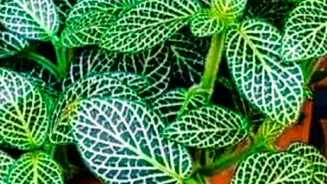
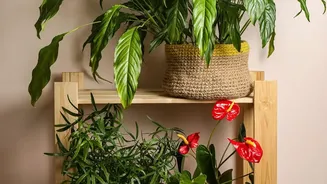
Not all plants need a humidity boost. Species from arid environments, like cacti and succulents, prefer dry air. However, tropical and woodland plants flourish with the extra moisture. Plants that will thank you for a humidity tray include ferns (especially Boston and Maidenhair ferns), Calatheas, Prayer Plants (Maranta), Orchids, Peace Lilies, Alocasia, and Anthuriums. Any plant showing signs of distress from dry air, such as browning leaf edges or slow growth, is a good candidate.
A Simple Guide to Setting Up Your Tray
Creating a humidity tray is easy. First, choose a waterproof tray that is at least a few inches wider than the base of your plant's pot to maximize the surface area for evaporation. Fill it with a layer of pebbles, gravel, or even decorative stones about one to two inches deep. Next, add water until the level is just below the top of the pebbles. The most important step is to place your plant pot on top of the pebbles, ensuring the bottom of the pot is not touching the water. This prevents the soil from becoming waterlogged, which can lead to root rot.
Common Mistakes to Avoid
While humidity trays are straightforward, a few errors can undermine their effectiveness or cause other problems. The most critical mistake is overfilling the tray with water, allowing the pot to sit in it directly. This leads to saturated roots and potential rot. Using a tray that is too small for the plant is another issue; a wider tray provides a larger surface area for more effective evaporation. Finally, neglecting to clean the tray can lead to algae growth, mineral buildup, and even create a breeding ground for pests like fungus gnats.
Maintenance and Cleaning for Long-Term Success
To keep your humidity tray working well, top up the water every few days as it evaporates. How quickly it evaporates will depend on the heat and dryness of your home. Every few weeks, it's a good idea to give the tray and pebbles a thorough cleaning to prevent the buildup of algae and mineral deposits from hard water. Simply remove the plant, scrub the pebbles and tray with a brush and mild soap, rinse everything thoroughly, and reassemble.