
Upgrade Your Sattu Drink
The humble sattu, made from roasted gram flour, is already a good source of plant-based protein, with about 20-25 grams per 100g. A standard drink using 2-3 tablespoons provides a decent 6-7 gram protein boost. But turning it into a muscle-building, satiating
meal is simple. Instead of mixing it with just water, use milk or unsweetened almond milk to instantly add more protein and creaminess. A 250ml glass of milk can add around 8 grams of protein. For a thicker, richer shake, blend in a scoop of Greek yogurt (dahi), which not only improves the protein count but also adds beneficial probiotics for gut health. This simple liquid swap can nearly double the protein content of your drink without much effort.
Add Nuts and Seeds
Nuts and seeds are nutritional powerhouses, packed with protein, healthy fats, and fibre. For sattu drinks, blending in a tablespoon of almond powder, a few walnuts, or a spoonful of peanut butter can add both flavour and a significant protein boost. For sprouted legume bowls, a generous sprinkle of pumpkin seeds, sunflower seeds, or hemp seeds is one of the easiest upgrades. Hemp seeds are a standout, offering nearly 10 grams of protein in a 28-gram serving. Pumpkin and sunflower seeds are also excellent choices. To make your sattu a more complete protein, pair it with sesame seeds, as they provide methionine, an amino acid that sattu has in lower amounts.
Incorporate Paneer or Tofu
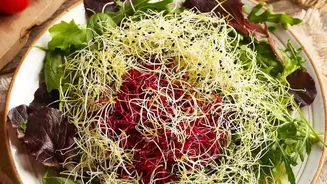
For a substantial protein increase in your sprouted legume bowls, look no further than paneer or its plant-based cousin, tofu. Crumbled or cubed paneer is a fantastic addition, delivering a hefty dose of protein—around 18-25 grams per 100g serving. This makes it an excellent choice for those looking to build muscle or increase satiety. If you're vegan or seeking a lower-fat option, tofu is a great alternative. While it has less protein than paneer (around 8-10 grams per 100g), it's lower in calories and fat. Lightly sautéed and seasoned tofu or paneer cubes can be tossed directly into your sprout salad, making it a complete and balanced meal.
Double Down on Legumes
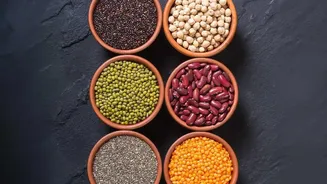
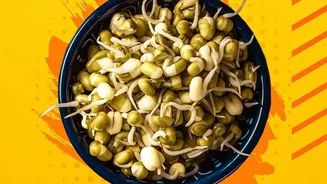
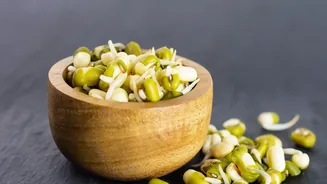
While a bowl of sprouted moong is healthy, you can enhance its protein profile by adding another cooked legume. Sprouting doesn't increase the total protein in a bean, but it does make nutrients more available for absorption. To get a higher overall protein count, supplement your sprouted moong with a cup of boiled black chickpeas (kala chana) or kidney beans (rajma). This strategy of 'protein pairing' not only increases the total grams of protein but also provides a wider range of essential amino acids, bringing you closer to a complete protein source in one bowl.
The Power of Grains and Millets
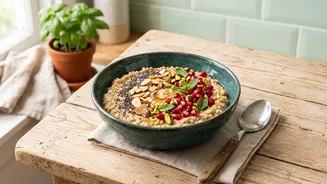
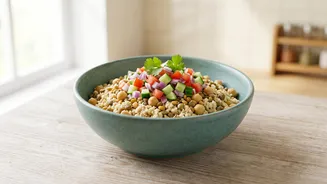
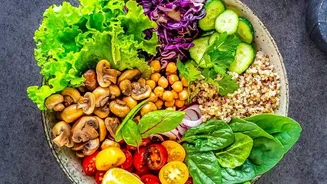
Adding cooked grains to your sprouted legume bowl adds texture, complex carbohydrates for sustained energy, and another layer of protein. Quinoa is a particularly good choice because it's a complete protein, meaning it contains all nine essential amino acids. Amaranth and buckwheat are other high-protein, gluten-free options that work well. For sattu, mixing it with roasted oats powder is a common practice that helps round out the amino acid profile for a more complete plant protein source. This simple addition makes your meal more nutritionally diverse and satisfying.
Don't Underestimate Vegetables
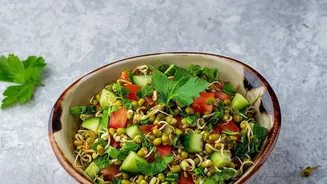
While not as protein-dense as legumes or paneer, some vegetables can still contribute to your overall intake while adding vital nutrients and crunch. When preparing your sprouted legume bowl, be sure to include vegetables like green peas, spinach, and broccoli. These veggies offer a modest amount of protein along with vitamins and minerals. Adding a wide variety of colourful vegetables like chopped onions, tomatoes, and cucumbers not only makes your salad more appealing but also enhances its overall nutritional value, fibre content, and flavour.