




The Old Regulatory Overlap
Running a food business in high-traffic areas like airports and railway stations has always come with unique challenges, but one of the most persistent has been regulatory ambiguity. Operators were often caught between a rock and a hard place, unsure
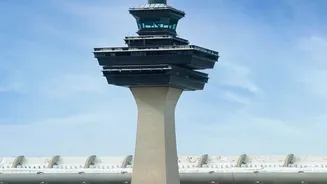
whether to seek licenses from the Food Safety and Standards Authority of India (FSSAI) or the authorities managing the terminals, such as the Airports Authority of India (AAI) or Indian Railways. This dual-jurisdiction problem created significant operational hurdles, leading to delays, redundant paperwork, and a lack of a clear, unified standard for compliance. Businesses had to negotiate terms with the premises' owners while also satisfying the national food safety regulator, a process that was often inefficient and confusing for everyone involved.
FSSAI Asserts Clear Jurisdiction
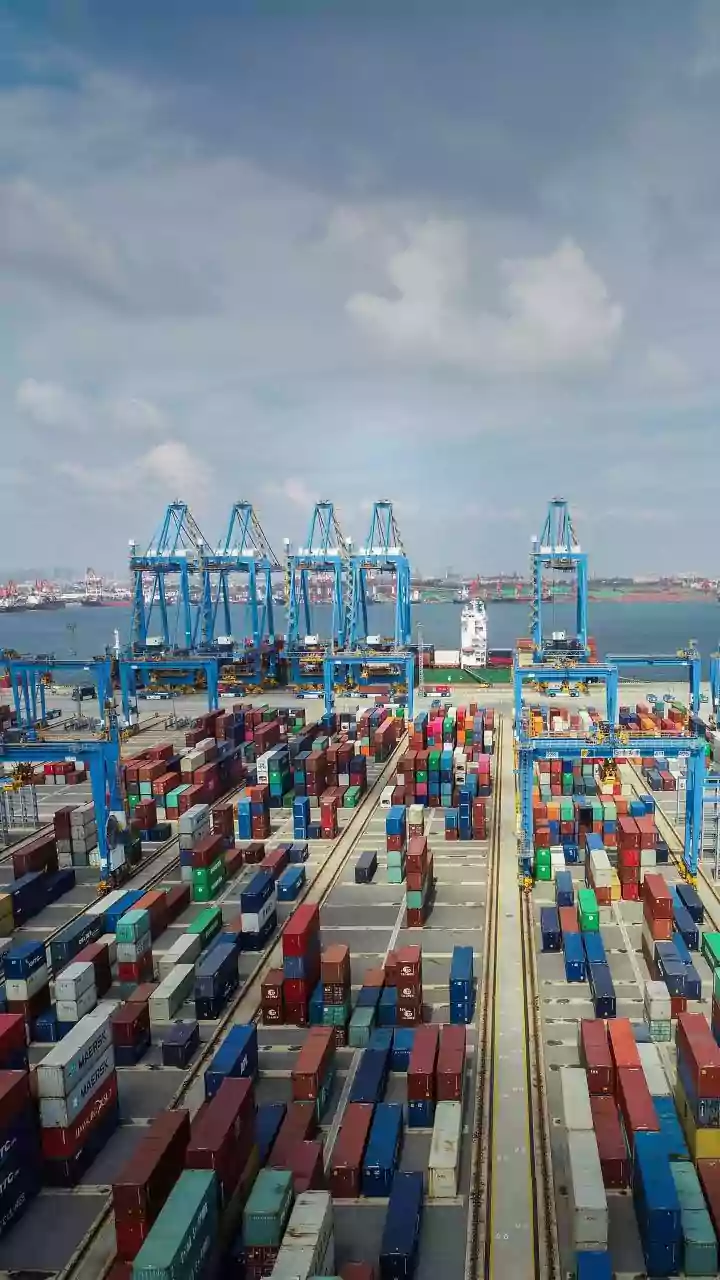
In a decisive move to end this confusion, the FSSAI has clarified its role as the primary authority for food safety licensing across all transport terminals. According to official guidelines, all food businesses operating within airports, seaports, and railway premises must obtain an FSSAI license. The type of license—Basic, State, or Central—depends on the business's annual turnover, not the authority managing the terminal. For most businesses operating in central government-managed premises like major airports and railway networks, a Central License is mandatory, particularly for those with a turnover exceeding ₹20 crore annually. This directive consolidates the licensing process under a single, expert body dedicated to food safety.
The Role of Terminal Authorities Now
This clarification does not remove terminal authorities like AAI and Indian Railways from the equation entirely. Instead, it redefines their role. These bodies will continue to manage the commercial aspects of leasing space, including rental agreements and issuing a No-Objection Certificate (NOC). This NOC is often a prerequisite for applying for an FSSAI license. Essentially, the terminal authority acts as the landlord, granting permission to operate on their premises, while the FSSAI acts as the specialized regulator, ensuring the food served is safe and hygienic. This separation of duties creates a more logical and streamlined process, allowing each authority to focus on its core competency.
What This Means for Food Businesses
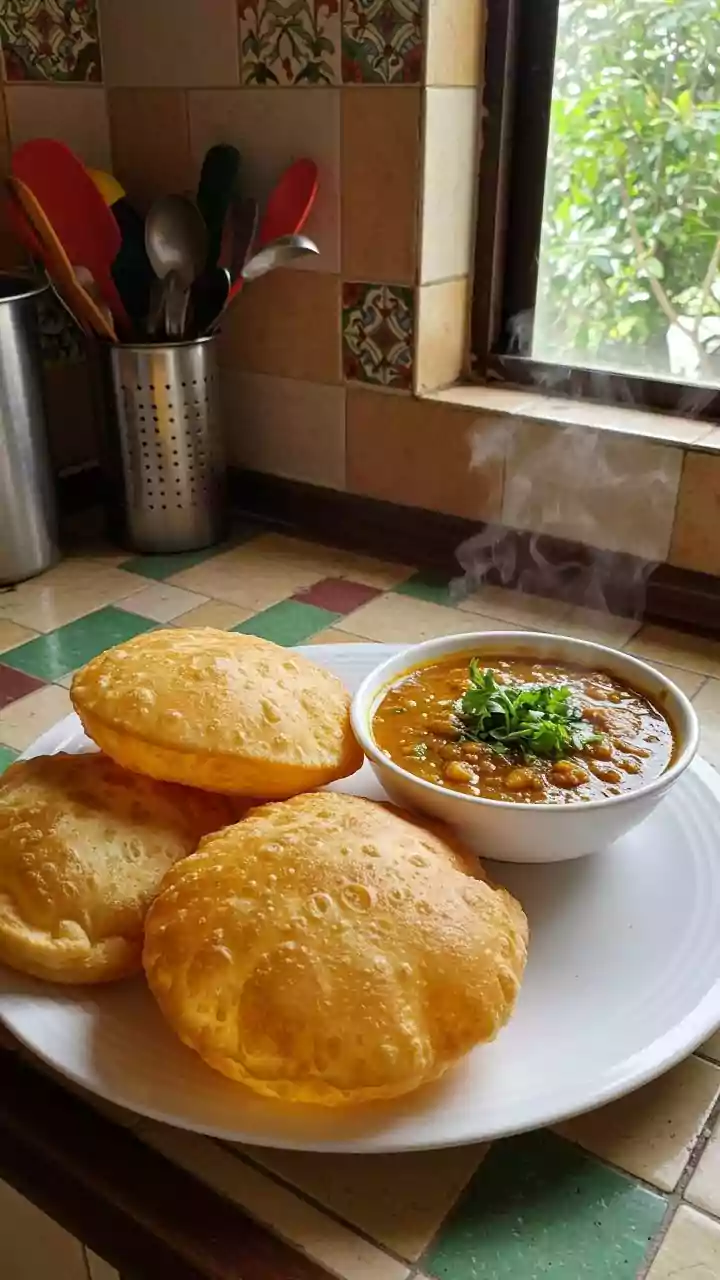
This newfound certainty is a significant relief for food business operators (FBOs). They now have a clear, predictable path to compliance. The process involves securing a commercial agreement with the terminal operator and then applying for the appropriate FSSAI license through its online portal, the Food Safety Compliance System (FoSCoS). For businesses operating in multiple states, a Central License for the head office is required in addition to licenses for each location. This standardized approach means that whether a food stall is in a Mumbai airport or a Delhi railway station, the food safety standards it must meet are consistent and governed by one national authority.
Benefits for Consumers and the Industry
Ultimately, this move is expected to elevate food safety standards across India's transport hubs. With the FSSAI now firmly in control of licensing and inspections, consumers can expect more uniform quality and hygiene, regardless of where they travel. The FSSAI's logo has become a recognized mark of quality, and its consistent application can build greater trust among the millions of passengers who rely on these food services daily. For the industry, it removes a major barrier to entry and expansion, encouraging more organized players and fostering a healthier, more competitive market focused on quality and safety rather than navigating bureaucratic hurdles.