








Fight Dampness and Musty Odours
The biggest battle during the monsoon is against humidity, which leads to that persistent damp feeling and musty smell. The key is to improve air circulation and absorb excess moisture. Whenever the rain lets up, open windows on opposite sides of your
home to create cross-ventilation. For enclosed spaces like wardrobes and cabinets, natural moisture absorbers are your best allies. Place bowls of coarse salt or baking soda in damp corners; they naturally draw moisture from the air. You can also place camphor tablets or neem leaves in cupboards to protect clothes and prevent mildew. For a pleasant fragrance that also repels insects, burning camphor or using essential oil diffusers with scents like lemongrass or eucalyptus can make a world of difference.
Win the War on Mould and Mildew
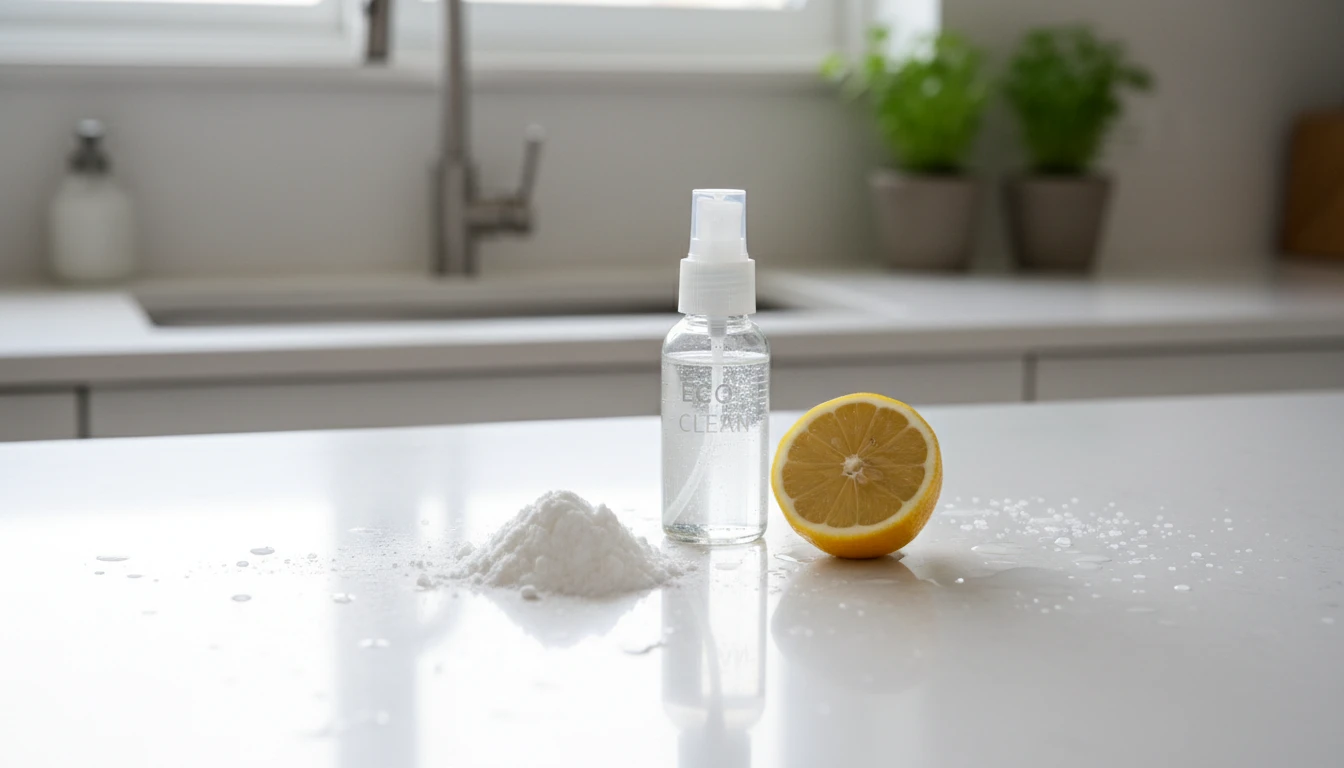
Mould thrives in damp, dark places and can be a health hazard, aggravating allergies and respiratory issues. White vinegar is a powerful, natural antifungal agent perfect for this fight. Create a solution of equal parts white vinegar and water in a spray bottle. Spray it on bathroom tiles, kitchen counters (avoiding natural stone like marble or granite), and window sills to prevent mould growth. For existing mould spots, a paste of baking soda and water can be used as a gentle scrub before spraying with the vinegar solution. Another potent remedy is boiling a handful of neem leaves in water and using the cooled solution to wipe down mould-prone walls; its natural antifungal properties are highly effective.
Keep Pests at Bay, Naturally
The rainy season often sees an influx of insects like mosquitoes, ants, and flies. Instead of chemical repellents, turn to your kitchen pantry. To deter mosquitoes and other pests, create a spray by mixing about 5 ml of neem oil with a litre of water and a few drops of liquid soap to help it mix. Spray this around window frames, drains, and entry points. Placing cloves in your lentil and cereal containers can keep bugs away from dry goods. A solution of white vinegar and water wiped on countertops and floors can erase the scent trails that ants follow. Burning camphor or placing it in bowls of water is also a traditional Indian method to repel mosquitoes. Finally, ensuring there is no stagnant water in or around your home is the most crucial step to prevent mosquito breeding.
Care for Wooden Furniture and Floors
Wood is particularly vulnerable during the monsoon, as it can swell and become a breeding ground for termites and mould. To protect wooden furniture, ensure it is not placed directly against damp walls. Wiping down furniture regularly with a clean, dry cloth is essential. Applying a coat of wax or polish before the season starts can create a protective barrier against moisture. For floors, adding rock salt or a splash of white vinegar to your mopping water can help disinfect the surface and allow it to dry faster. Sprinkling cornstarch on a particularly damp patch of floor, letting it sit for 10-15 minutes to absorb moisture, and then sweeping it up can also be an effective quick fix.
A Note on Cleaning Powerhouses
Vinegar and baking soda are incredibly effective, but they work best when used correctly. The fizzing reaction when you mix them is a neutralization process that leaves you with little more than salty water, reducing their cleaning power. It's more effective to use them separately. For instance, you can scrub a surface with a baking soda paste first to tackle grime, and then spray it with vinegar to disinfect and deodorise. Remember that vinegar's acidity can damage porous stone surfaces like marble and granite, so always use it with care. For these surfaces, a gentle, pH-neutral soap is a safer option.