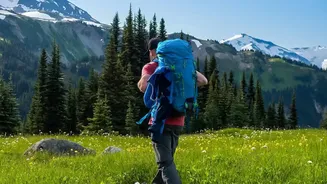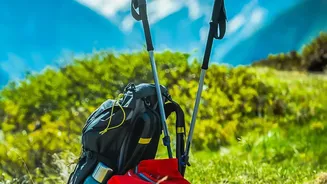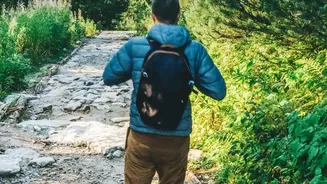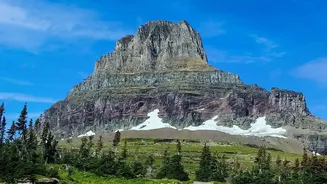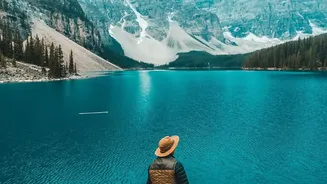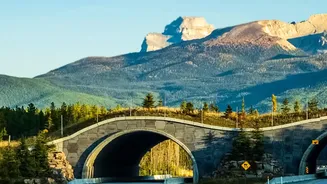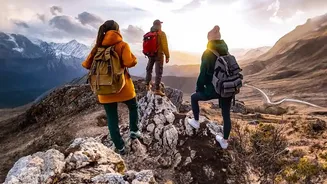

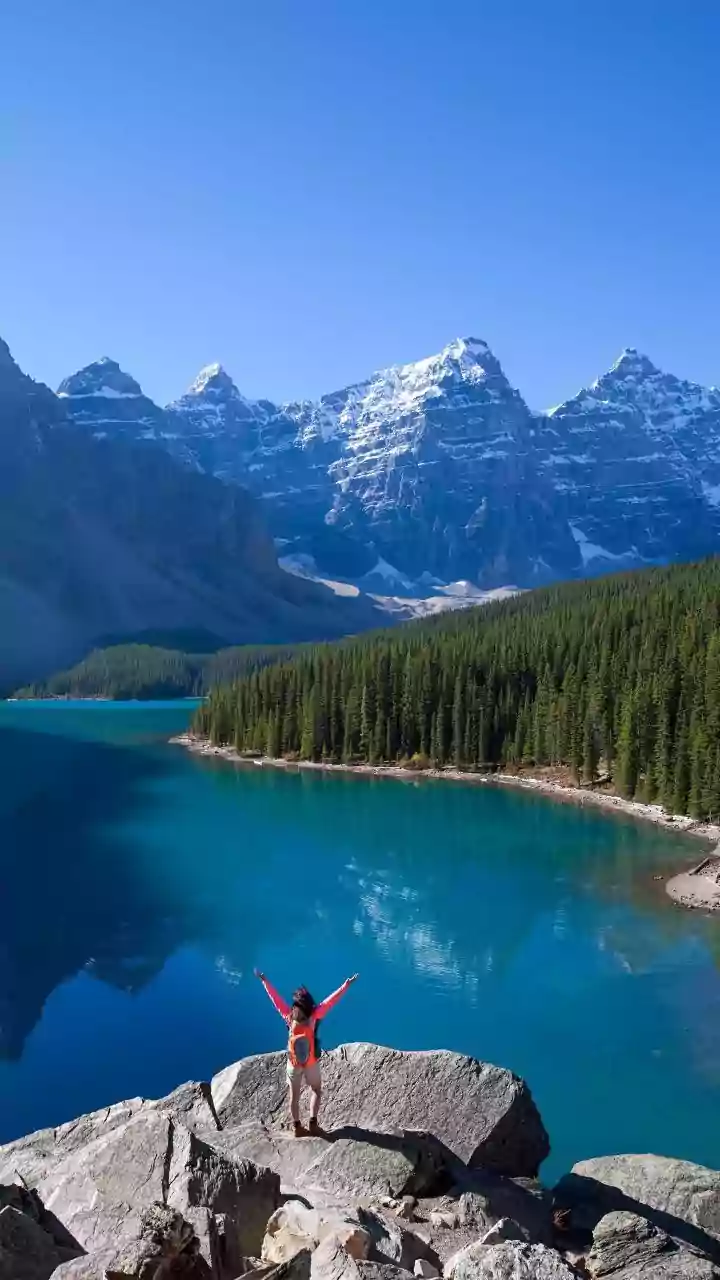
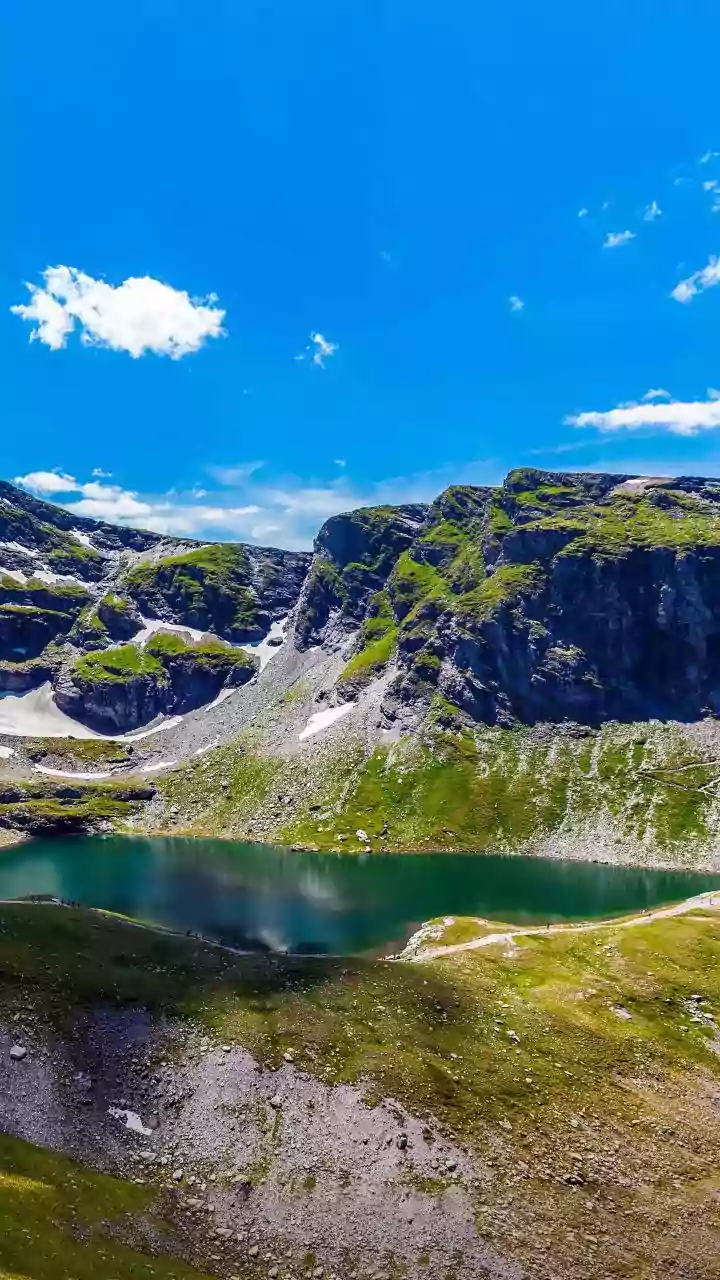
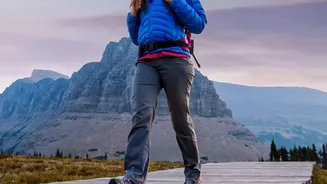
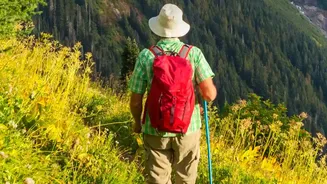
The Canadian Rockies offer some of the most breathtaking landscapes on earth, from turquoise lakes to jagged, glacier-clad peaks. To safely enjoy this stunning scenery, being well-prepared for your mountain walk is not just a suggestion—it's essential.
Start With the Ten Essentials
Before you even think about specific brands or luxury items, your packing list must begin with the 'Ten Essentials'. This is a classic, system-based checklist designed to help you survive an unexpected night outdoors. These items include navigation tools like a map and compass, a headlamp, sun protection, a first-aid kit, a knife or multi-tool, a fire starter, an emergency shelter like a foil blanket, and extra food and water. Even on a short, popular trail, a sudden weather shift or a wrong turn can change everything. Having these items in your daypack is a non-negotiable foundation for safety.
Layering: Dress for Four Seasons in One Day
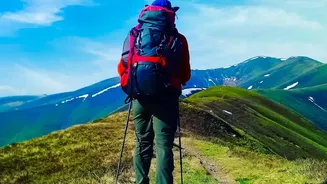
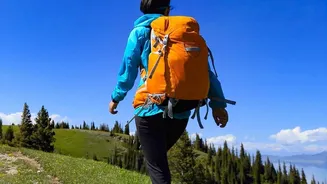
The weather in the Rockies is famously unpredictable and can change dramatically with elevation and time of day. It’s common to experience sun, wind, rain, and even snow on the same hike. The key is to dress in layers. Start with a moisture-wicking base layer to pull sweat away from your skin. Add a warm mid-layer, like a fleece jacket, for insulation. Top it off with a waterproof and windproof shell jacket to protect you from the elements. This system allows you to add or remove clothing to stay comfortable as conditions change. Don't forget a warm hat and a pair of gloves, which take up little space but offer crucial warmth when temperatures drop.
Sturdy Footwear Is Your Best Friend
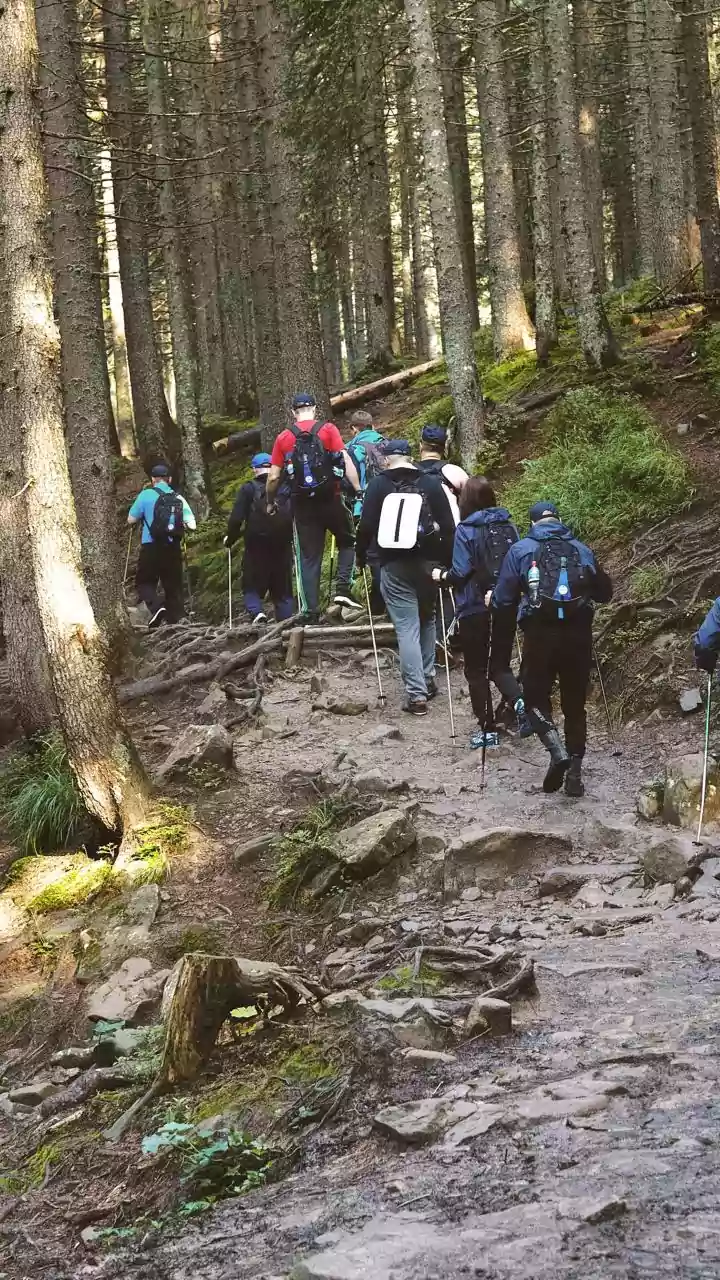
The trails in the Canadian Rockies can be rugged, with rocky sections, exposed roots, and steep inclines. A pair of broken-in hiking boots with good ankle support is highly recommended. They provide stability on uneven terrain and help prevent twists and sprains. Ensure your footwear is waterproof, as trails can be wet and muddy, especially in the early season or after a rain shower. Pair your boots with good quality wool or synthetic socks to help manage moisture and prevent blisters, which can quickly ruin an otherwise perfect day.
Fuel Up: Water and High-Energy Snacks
Hiking, especially at altitude, requires a significant amount of energy and hydration. Carry more water than you think you will need—at least two litres per person for a day hike is a good starting point. The dry mountain air can lead to dehydration more quickly than you might expect. Pack high-energy, nutrient-dense snacks like trail mix, energy bars, and fruit. It is always wise to carry extra food in case your hike takes longer than planned. For longer hikes, a lightweight water filter or purification tablets are an excellent addition, allowing you to safely refill your bottles from the plentiful mountain streams.
Wildlife Safety: Carry and Know How to Use Bear Spray
The Canadian Rockies are home to grizzly and black bears. While seeing one from a distance is a memorable experience, a close encounter can be dangerous. Carrying bear spray is strongly recommended by Parks Canada and is a critical safety tool. It's crucial to carry it in a holster on your hip or chest strap where it is immediately accessible, not buried inside your backpack. Before you hit the trail, make sure you know how to use it by removing the safety clip and deploying it. Remember that bear spray is a last line of defence; making noise on the trail by talking or clapping is your first strategy to avoid surprising a bear.
Navigation in a World of Limited Service
While many trails are well-marked, you should never rely solely on your phone for navigation, as cell service is unreliable or completely absent in most hiking areas. Carry a physical map of the area and a compass, and know how to use them. A GPS device or a phone with downloaded offline maps can be an excellent supplement, but should not be your only tool. Informing someone of your planned route and estimated return time is another simple but vital safety step.