




Your Body’s Internal Clock
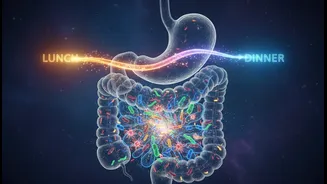
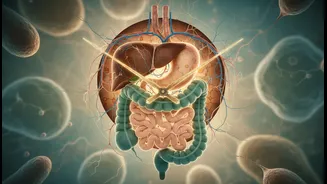
Our bodies run on a natural 24-hour cycle known as the circadian rhythm. This internal clock doesn't just tell us when to feel sleepy or awake; it governs almost every organ, including our digestive system. This system has its own daily rhythm, with digestive enzyme
production and metabolic processes peaking during daylight hours. Essentially, your gut is primed and ready for action midday, making it the most efficient time to process a large meal. Eating in sync with this natural schedule helps your body absorb nutrients optimally and provides sustained energy for the rest of the afternoon.
The Problem with Heavy Dinners
When you eat a large meal late in the evening, you're asking your digestive system to work overtime when it's naturally winding down for the night. This can trigger a cascade of issues that disrupt sleep. The process of digestion increases your core body temperature and metabolic rate precisely when they should be dropping to facilitate sleep. A heavy meal, especially one rich in fats or spice, can also lead to discomforts like bloating, indigestion, and acid reflux, which can cause you to wake up during the night. Research shows that eating within three hours of bedtime is associated with more frequent awakenings and lower-quality sleep.
The Midday Meal Advantage
Shifting your largest meal to lunchtime aligns perfectly with your body's peak metabolic performance. During the middle of the day, your body is more sensitive to insulin, allowing it to manage blood sugar levels more effectively after a meal. This prevents the energy crashes and late-night sugar cravings that can follow a poorly timed eating schedule. Furthermore, front-loading your calories gives your body ample time to digest and utilize that energy throughout the afternoon. By the time you're ready for bed, your digestive system is calm, creating the ideal internal environment for deep, restorative sleep.
Improving Your Sleep Quality
A quiet digestive system at night allows your body to progress through the different sleep stages, like deep sleep and REM sleep, without interruption. Late-night eating can disrupt these crucial stages, leaving you feeling groggy and unrested the next day. When your body isn't burdened with digestion, it can focus on essential overnight repair processes. Studies have linked eating a larger lunch instead of a heavy dinner with improved sleep quality and duration, more stable blood sugar levels throughout the night, and reduced instances of acid reflux.
How to Make the Switch
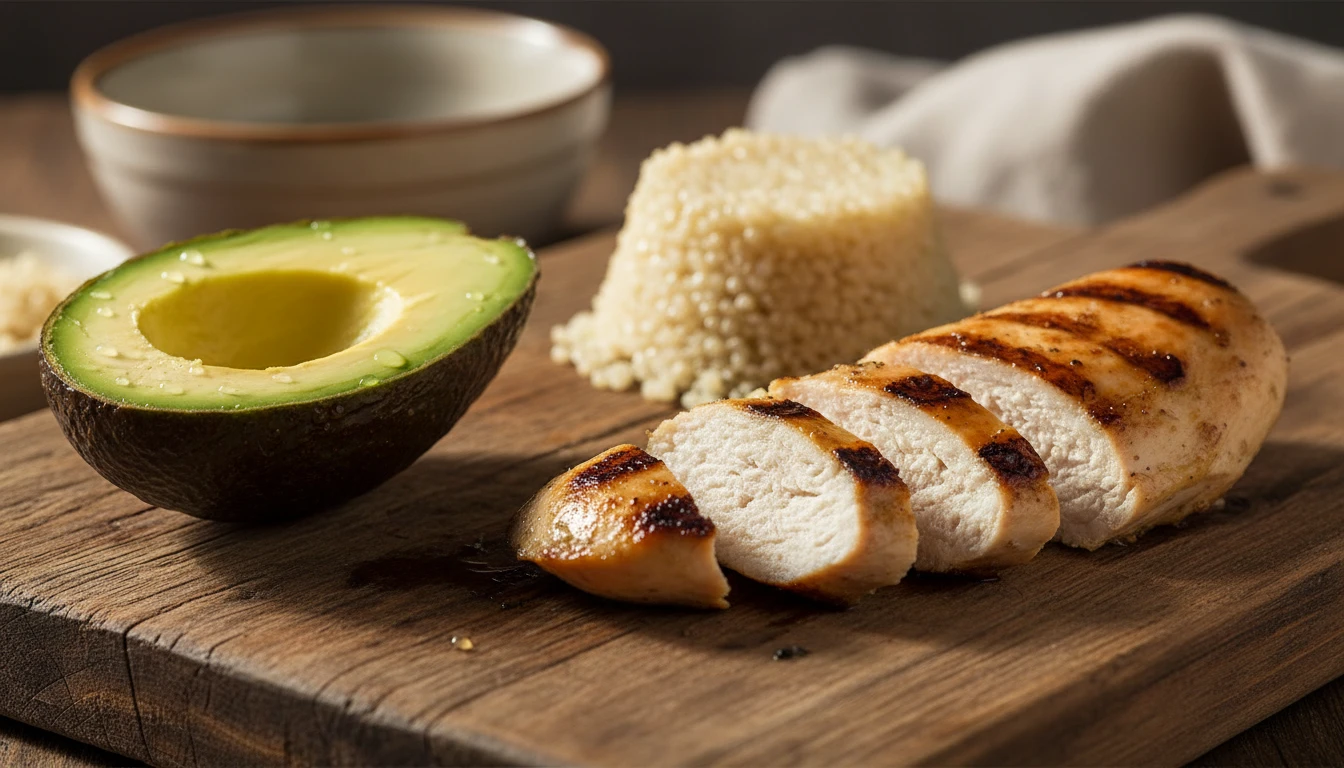
Transitioning your main meal from evening to midday doesn't have to be difficult. Start gradually by increasing the size of your lunch while making your dinner progressively lighter over a couple of weeks. Plan your lunches ahead to ensure they are balanced and substantial, including a good mix of protein, complex carbohydrates, healthy fats, and plenty of vegetables. For your evening meal, think of it as a 'supper'—a smaller, supplemental meal to tide you over. Opt for easily digestible foods like soups, salads, or steamed vegetables. Aim to finish your last meal at least three hours before you go to bed to give your body plenty of time to wind down.