



Start with Textiles
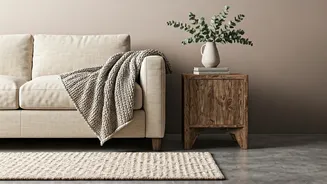
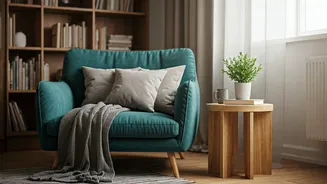
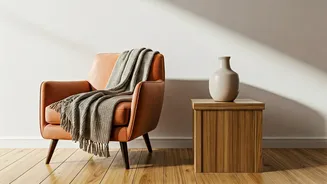
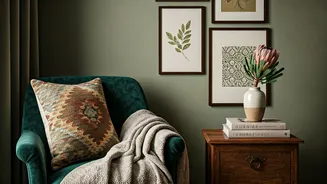
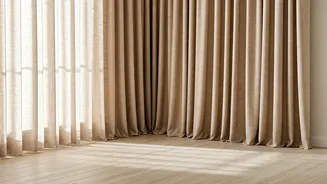
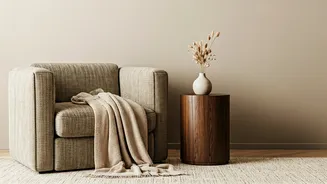
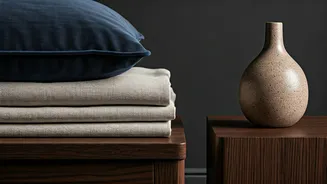
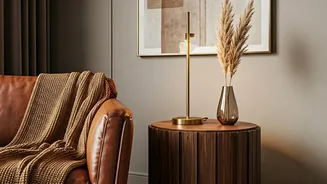
This is the easiest and most affordable entry point for adding texture. Look beyond basic cotton. A chunky knit wool blanket draped over an armchair, a velvet cushion nestled on the sofa, or a set of linen curtains that catch the light can instantly add depth.
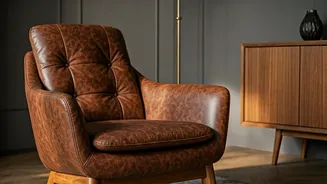
The key is to mix and match. Don't be afraid to pair a sleek leather sofa with a fluffy sheepskin throw or a rough, woven bouclé pillow. The contrast is what creates visual interest. Think about how these materials feel to the touch; a home that engages more than just the sense of sight is a home that feels more comforting and complete. You can swap these items seasonally—light linens and cottons for summer, heavy wools and velvets for winter—for a quick refresh.
Look to the Floor
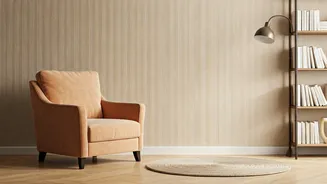
A bare floor, even a beautiful hardwood one, can make a room feel cold and echoey. A well-chosen rug is a game-changer. It anchors the furniture, defines the space, and injects a huge dose of texture. For maximum impact, consider natural fibres like jute or sisal. Their rugged, woven surfaces bring an organic, earthy feel to any space, perfectly complementing both modern and traditional decor. If you prefer softness, a high-pile or shag rug provides a plush, luxurious texture underfoot. Feeling bold? Try layering. Placing a smaller, more colourful or patterned rug over a larger, neutral jute one adds an immediate layer of sophistication and personality.
Don't Forget the Walls
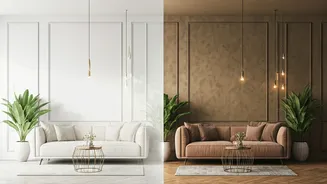
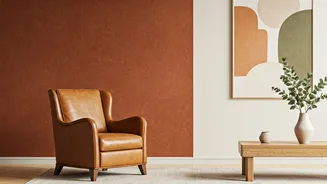
Walls are the largest surface in any room, but they are often overlooked as a textural opportunity beyond a simple coat of paint. For a subtle but impactful change, consider paint with a textural finish, like limewash or suede-effect paint, which gives walls a soft, mottled appearance. For a more dramatic statement, textured wallpaper is making a huge comeback. Options range from grasscloth and cork, which add natural warmth, to vinyls that mimic the look of fabric, wood, or plaster. If wallpaper feels too permanent, a large-scale textile hanging—like a vintage rug, a macrame piece, or a beautiful quilt—can serve as a focal point and add softness and dimension to a blank wall.
Incorporate Natural Materials
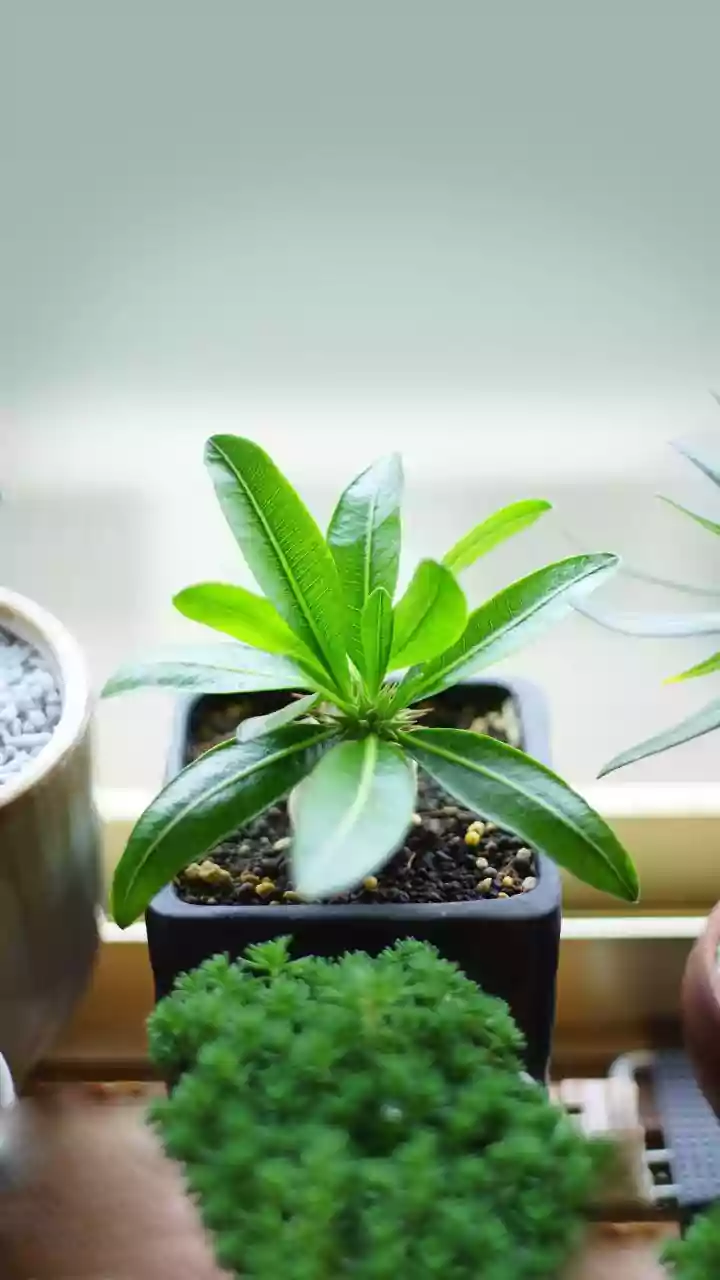
Bringing elements of the outdoors inside is a foolproof way to add authentic texture. Think beyond just houseplants (though they are fantastic for adding life and shape). A raw-edged wooden coffee table, a smooth marble tray, a rough-hewn stone coaster, or a collection of branches in a vase all contribute to a rich sensory palette. These materials have their own inherent patterns and imperfections—the grain of wood, the veins in marble—that make a space feel less manufactured and more grounded. Woven items like rattan or wicker furniture, light fixtures, and decorative baskets are particularly effective at introducing a relaxed, handmade texture that breaks up the monotony of smooth, hard surfaces.
Layer with Decorative Objects
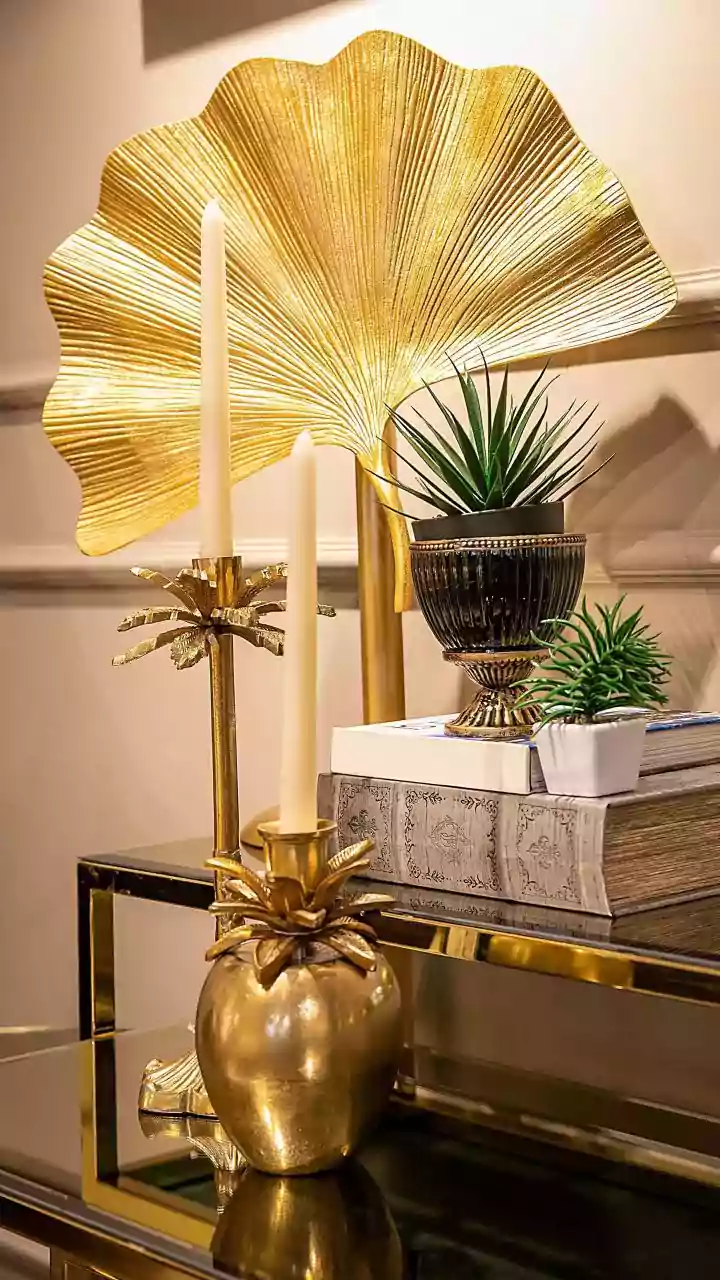
The final layer of texture comes from the small details. Curate your shelves and surfaces with objects that have interesting forms and finishes. A collection of ceramic vases in matte, crackled, and high-gloss glazes creates a compelling vignette. A sculptural metal object with a brushed or hammered finish can provide a cool, industrial contrast. Even books can contribute; stacking them with their varied covers and page edges showing adds a subtle, intellectual texture. The goal is to create a visual and tactile journey for the eye, where every corner of the room offers something interesting to look at and, ideally, to touch. These small objects are what tell your personal story.