



The Sweetest Farewell
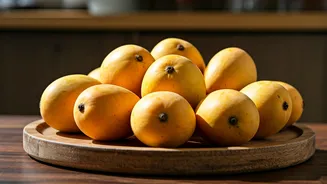
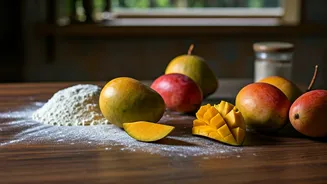
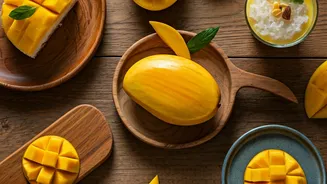
In North India, the end of June signals a bittersweet countdown. It’s the last call for Dasheri mangoes, the slender, golden-yellow fruit from Uttar Pradesh’s famed Malihabad region. [9] Often called the “king of mangoes” for its honey-like sweetness
and intense aroma, the Dasheri season peaks from May and winds down by late July. [6, 28, 29] This narrow window creates an annual rush to consume, preserve, and celebrate the fruit before it vanishes for another year. Families gather, crates are purchased, and for a few weeks, the Dasheri reigns supreme on dining tables. [6] This year, however, the traditional farewell is getting a distinctly modern, and much warmer, makeover.
From Pickles to Pastries
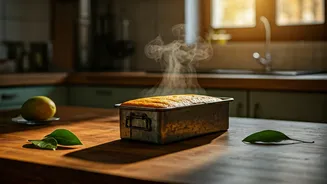
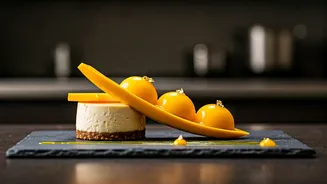
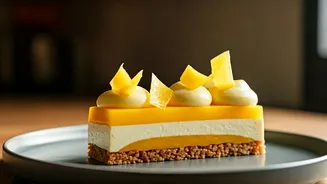
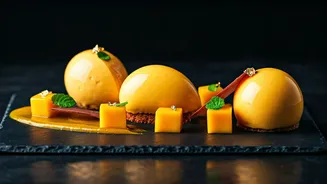
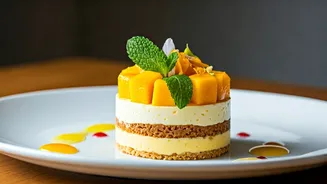
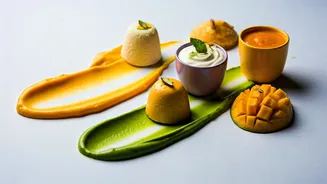
Traditionally, the end of mango season meant turning the last of the semi-ripe or tart fruit into pickles (achaar), chutneys, and preserves to last through the year. Ripe, sweet Dasheris were best enjoyed fresh, sliced, or as a simple puree known as aamras. [6] While classic Indian desserts like mango kulfi, phirni, and shrikhand remain popular, a new culinary trend has taken hold: baking. [2, 3] Home bakers and families are increasingly firing up their ovens, transforming the delicate Dasheri pulp into cakes, cheesecakes, muffins, and tarts. [13] It marks a significant cultural shift, blending the quintessentially Indian fruit with Western baking techniques that have become more mainstream in urban Indian homes.
A Trend Baked by Social Media
What’s driving this shift from the traditional earthen pot of phirni to the springform pan of a cheesecake? The answer lies partly in the globalised Indian kitchen and the irresistible allure of social media. Platforms like Instagram are filled with images of glossy mango glazes, airy mango mousse cakes, and rustic mango crumbles. The visual appeal of these baked goods is undeniable, inspiring a new generation of home cooks to experiment. [13] Furthermore, the pandemic-induced baking boom saw many families invest in ovens and baking equipment, making these once-aspirational desserts an accessible weekend project. Baking offers a new way to engage with a familiar ingredient, creating novel family traditions in the process.
The Perfect Partner for a Baker?
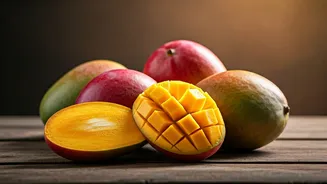
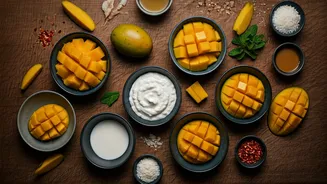
Not every mango is created equal when it comes to baking. The ideal mango for a cake or mousse needs to be sweet, intensely flavourful, and, most importantly, non-fibrous. [22] This is where the Dasheri shines. Hailing from the Malihabad region, which has a Geographical Indication (GI) tag for its mangoes, the Dasheri is prized for its smooth, buttery pulp that melts in the mouth. [15, 20] Its flesh is tender, succulent, and almost entirely fibreless, making it easy to puree into a silky-smooth consistency perfect for batters and fillings. [20, 21] Its flavour is a delightful balance of sweet and mildly tangy notes, ensuring the final dessert is rich but not cloyingly sweet. [4, 5] The vibrant, deep orange colour of the pulp also gives baked goods a beautiful, natural sunny hue. [13]
Your Last-Minute Mango Creations
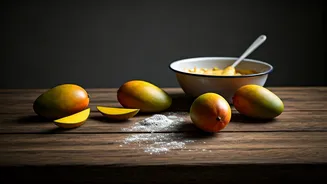
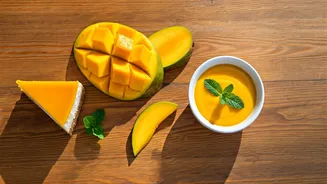
Inspired to join the rush? The possibilities are endless. The fibreless nature of Dasheri makes it perfect for creamy, no-bake desserts like a mango cheesecake or a Bengali-style baked yogurt (bhapa doi). [26] The pulp can be folded into muffin batter, used to top a simple tea cake, or churned into a quick mango sorbet. A mango crumble or cobbler offers a simple, rustic dessert that comes together quickly. Even a simple mango halwa (sheera), made with semolina and ghee, gets an upgrade with fresh Dasheri pulp. [24] The key is to work with the fruit’s natural sweetness and texture, allowing its unique flavour to be the star of the show. As the season’s end approaches, baking has become the new, delicious way to pay homage to this beloved summer fruit.