






Understanding Cumin: The Earthy Foundation
Cumin, or jeera, is a cornerstone of Indian cooking, beloved for its warm, earthy, and slightly peppery flavor. It is often one of the first spices to hit the hot oil or ghee in a pan, a technique known as tempering or 'tadka'. This process releases its aromatic
essential oils, creating a fragrant base for countless dishes, from simple dals to complex curries. While whole seeds are used for tempering to add texture and a burst of aroma, ground cumin powder offers a more concentrated and deeper flavor that blends seamlessly into gravies and spice mixes. Its robust, savory character provides the foundational depth upon which other, brighter spices can be layered.
Understanding Tamarind: The Tangy Counterpart
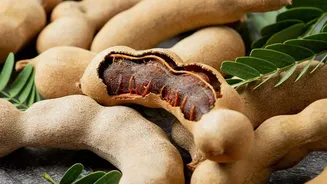
Tamarind, or imli, delivers a distinctive sweet-and-sour taste that brings a refreshing zest to any dish it graces. This fruit, which grows in a pod on the Tamarindus indica tree, is used across India to provide acidity and a complex tang. Available as a concentrated paste, a pressed block of pulp, or whole pods, a little goes a long way. The sourness of tamarind is prized for its ability to cut through richness and balance other strong flavors. In South Indian cuisine, it's a key ingredient in dishes like rasam and sambar, while in street food across the country, it forms the base of tangy chutneys that accompany snacks like samosas and chaat.
The Art of the Pairing: A Perfect Balance
The combination of cumin and tamarind is a classic example of flavor balancing in Indian cuisine. Cumin provides a warm, earthy, and sometimes slightly bitter note, while tamarind introduces a bright, sour element. This pairing creates a harmonious contrast. The tang of the tamarind cuts through the deep, savory flavor of the cumin, preventing it from becoming overpowering and adding a layer of complexity. This dynamic is often seen in lentil dishes like khatti dal, tangy soups like rasam, and various vegetable preparations where the earthy notes of the vegetables are enhanced by the cumin and brightened by the tamarind. Often, a sweetener like jaggery is also added to balance the sourness of the tamarind, creating a perfect trinity of sweet, sour, and earthy flavors.
Best Vegetable Pairings
The cumin and tamarind duo is incredibly versatile and works well with a wide variety of vegetables. Root vegetables like potatoes and carrots are excellent candidates; roasting them brings out their natural sweetness, which is beautifully complemented by a tamarind and cumin glaze or sauce. Eggplant (brinjal) is another fantastic match, as its spongy texture absorbs the flavors of a tamarind-based curry exceptionally well. Lentils and legumes, particularly pigeon peas (toor dal) and chickpeas, are frequently cooked with tamarind and tempered with cumin seeds. Other vegetables that shine with this flavor combination include green beans, mushrooms, and bell peppers (capsicum), especially in stir-fries or dry-roasted dishes.
Simple Techniques for Your Kitchen
Incorporating this pair into your cooking is straightforward. For a simple vegetable stir-fry, start by tempering cumin seeds in hot oil before adding your vegetables. Towards the end of the cooking process, add a splash of tamarind water (made by soaking tamarind pulp in warm water and straining it) for a zesty finish. For a flavorful marinade for grilled or roasted vegetables, combine tamarind paste with ground cumin, a touch of garlic, and perhaps some chilli powder. This works wonderfully on potatoes, cauliflower, and paneer. You can also create a simple dipping sauce or dressing by mixing tamarind paste with roasted cumin powder and a little water, perfect for drizzling over salads or serving with fritters.