






The Monsoon's Familiar Rhythm Is Breaking
The Indian summer monsoon, a seasonal phenomenon that delivers about 80% of the country's annual rainfall, has long been the backbone of its agriculture and economy. Traditionally, it meant months of consistent, predictable rain. Farmers timed their planting
to its arrival, and reservoirs were replenished for the year ahead. However, scientists have observed a significant shift in this pattern since the mid-20th century. The monsoon is becoming more erratic. The once-reliable, steady rains are being replaced by long dry spells punctuated by sudden, ferocious downpours. This creates a deceptive new reality where a season can be classified as having 'deficient' rainfall overall, yet still cause devastating floods in specific regions.
The Science of More Intense Rain
The core reason for this shift is a warmer planet. For every one-degree Celsius increase in temperature, the atmosphere can hold about 7% more moisture. This supercharges the air. Global warming, particularly the rapid warming of the Indian Ocean and Arabian Sea, provides more fuel for the monsoon system. When conditions are right for rain, the atmosphere releases this extra moisture in shorter, more concentrated bursts. Instead of several days of moderate showers, a region might experience the same amount of rain, or even more, in just a few hours. This is what scientists refer to as an increase in rainfall intensity. Studies confirm a threefold increase in these widespread extreme rain events over central India between 1950 and 2015.
Why Less Rain Can Still Mean More Floods
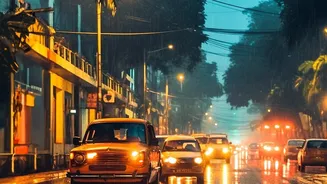
This intensification is the key to the paradox. Our cities and landscapes are not equipped to handle this new pattern. Urban infrastructure, including storm drains and sewage systems, was designed for a different kind of rain—one that was more spread out over time. When an extreme downpour occurs, these systems are quickly overwhelmed. Water has nowhere to go, leading to the flash floods that increasingly bring major cities to a standstill. In rural areas, the hard, sun-baked ground from longer dry spells cannot absorb the sudden deluge. This leads to massive surface runoff, which swells rivers beyond their banks and causes catastrophic flooding and landslides, as has been seen in states from Kerala to Punjab.
The Twin Threats of Flood and Drought
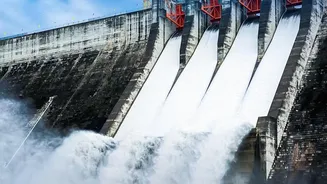
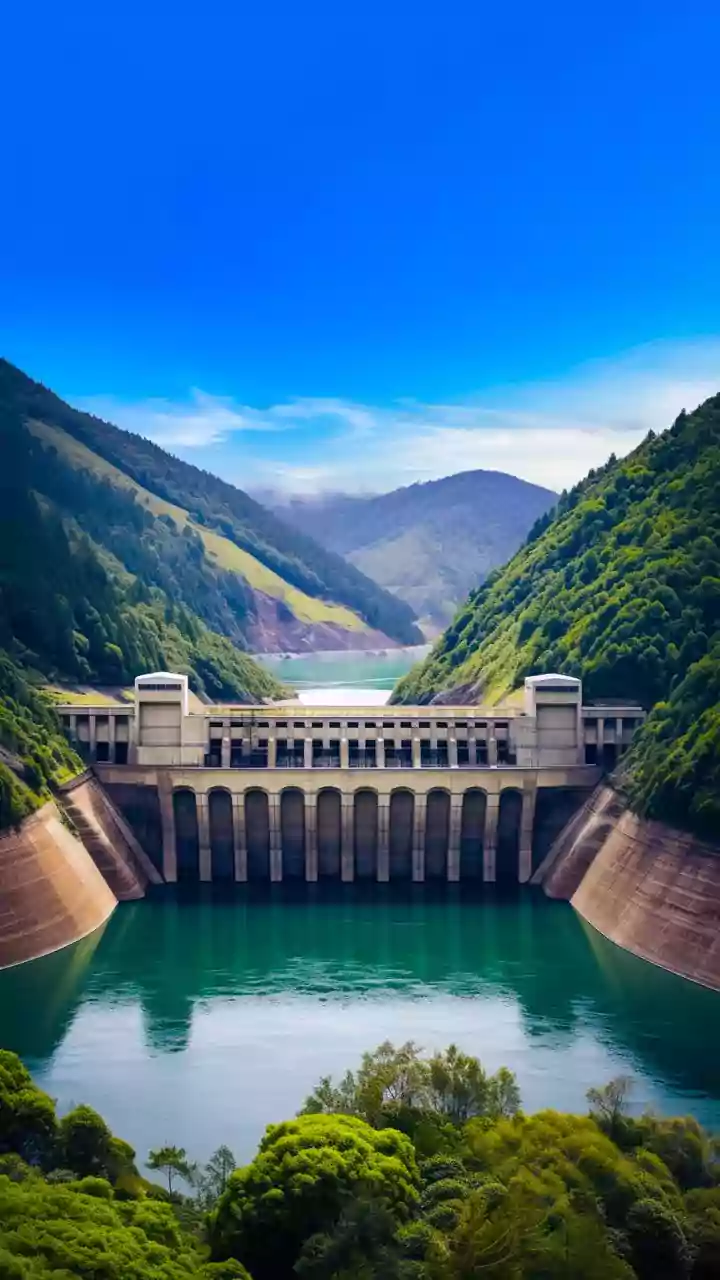
The flip side of these intense rain events is the increased frequency of long, dry periods in between. This variability is a nightmare for agriculture. Crops that depend on steady moisture can wither during these extended breaks in rainfall. A farmer might see their fields dry out for weeks, only to have their newly planted seedlings washed away by a sudden cloudburst. This volatility affects not just crop yields but also groundwater recharge and the management of our reservoirs. A dam might struggle to capture the massive runoff from a single extreme event, while the longer dry spells deplete water reserves, creating a dual risk of both water scarcity and flood damage within the same season.
An Uncertain Future Demands Adaptation
Climate models project that this trend of increasing monsoon variability will continue. Factors like the El Niño phenomenon can further complicate and intensify these patterns, often weakening the overall monsoon while increasing the likelihood of extreme downpours in certain regions. This shift from a predictable rhythm to a chaotic one means that India can no longer rely on seasonal averages to gauge risk. The crucial questions are now about timing, location, and intensity. This new reality demands a fundamental rethinking of how India manages its water, designs its cities, and supports its agricultural sector in the face of a more volatile and dangerous climate.