

The Problem with Syrups
For years, the default way to flavour cold tea has been a generous pump of artificially coloured and flavoured syrup. While convenient, this method often masks the delicate taste of the tea itself, replacing it with overwhelming sweetness. Beyond the flavour compromise,
these syrups are typically loaded with refined sugars and additives, a growing concern for health-conscious consumers. As more people seek authentic and natural beverage options, the limitations of syrup-based drinks have become glaringly obvious, paving the way for a return to more traditional, wholesome methods of flavouring.
The Star Player: Hibiscus (Gudhal)
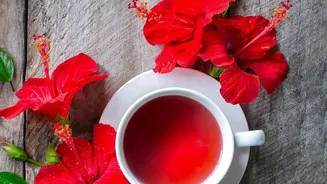
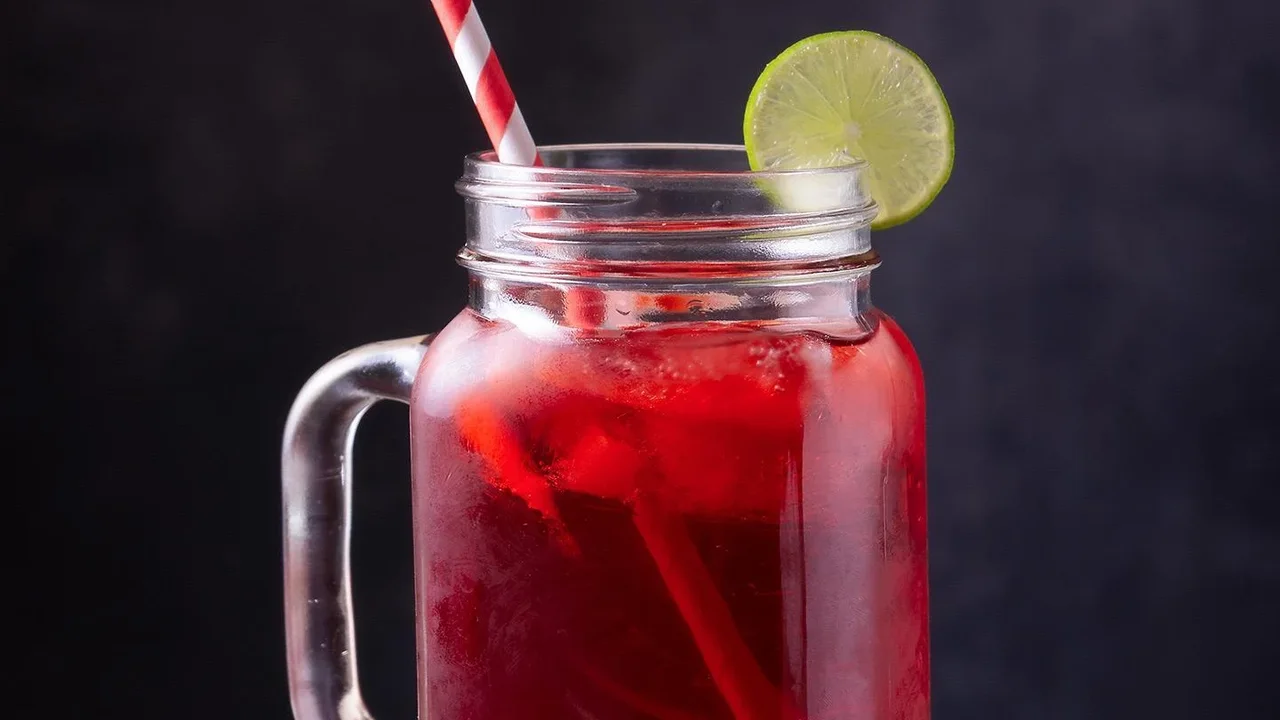
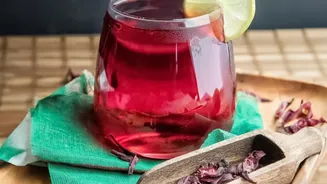
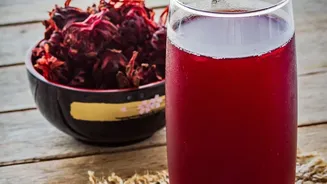
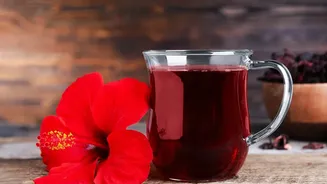
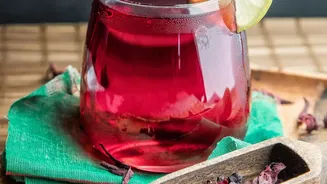
Hibiscus is perhaps the most famous botanical used in beverages worldwide, and for good reason. Known as Gudhal in India, the dried petals of this flower brew into a stunning, ruby-red infusion with a tart, cranberry-like flavour. It’s a completely caffeine-free option that's incredibly refreshing on a hot day. Beyond its delicious taste, hibiscus is an antioxidant powerhouse, rich in Vitamin C, and has been traditionally used to support overall wellness. Studies have noted its potential role in managing blood pressure and cholesterol. To use it, simply steep dried hibiscus flowers in cold water overnight in the refrigerator. The result is a vibrant, tangy base that can be enjoyed on its own or lightly sweetened with a natural alternative like jaggery or honey.
The Magical Colour-Changer: Butterfly Pea Flower (Aparajita)
If you want to add a touch of magic to your glass, look no further than Aparajita, or the butterfly pea flower. This incredible bloom infuses water with a deep, mesmerising indigo colour. But the real show begins when you add a squeeze of lemon or lime juice, which changes the pH and instantly transforms the drink’s colour from blue to a brilliant violet. In Ayurvedic traditions, Aparajita is considered a 'rasayana' herb, valued for promoting longevity and vitality. It has a mild, earthy flavour that pairs well with other herbs like mint or lemongrass. Modern research highlights its antioxidant properties, which may support skin health. It is naturally caffeine-free and makes for a visually stunning and soothing cold beverage.
The Earthy Cooler: Vetiver (Khus)
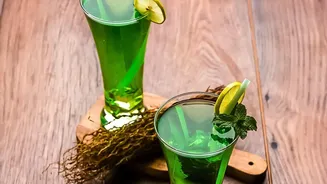
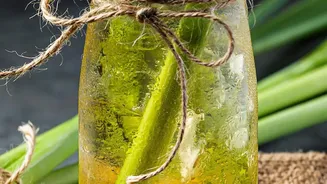
For a truly unique and quintessentially Indian summer flavour, vetiver root, or Khus, is unparalleled. These aromatic grass roots impart a distinctively earthy, woody, and deeply cooling essence to water. Often associated with the pale green 'khus sharbat', the natural infusion made directly from the roots is much subtler and more complex. Traditionally, Khus is known for its ability to cool the body during intense heat. To prepare a Khus infusion, the dried roots must be washed thoroughly to remove any dust, then soaked and gently boiled in water to release their fragrant oils. After straining, the resulting liquid is an aromatic concentrate that can be chilled and diluted to create a profoundly refreshing drink that tastes like the first rain on dry earth.
The Gentle Healer: Bael (Wood Apple)
Bael, also known as wood apple, is a fruit revered in India for both its unique flavour and its digestive health benefits. The fruit's pulp, when dried or used fresh, creates a tea with a subtle, marmalade-like sweetness and a gentle, soothing aroma. It's a traditional remedy for digestive issues. While fresh bael is best, dried bael slices are more commonly available and can be boiled in water to create a fragrant decoction. This can then be cooled and served over ice for a restorative cold drink. Its flavour is mild enough to be a gentle introduction to botanical infusions for those used to simpler tastes.
Making Your Own Botanical Cold Brews
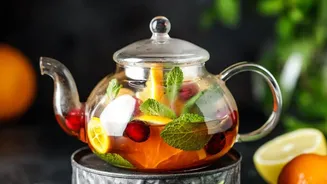
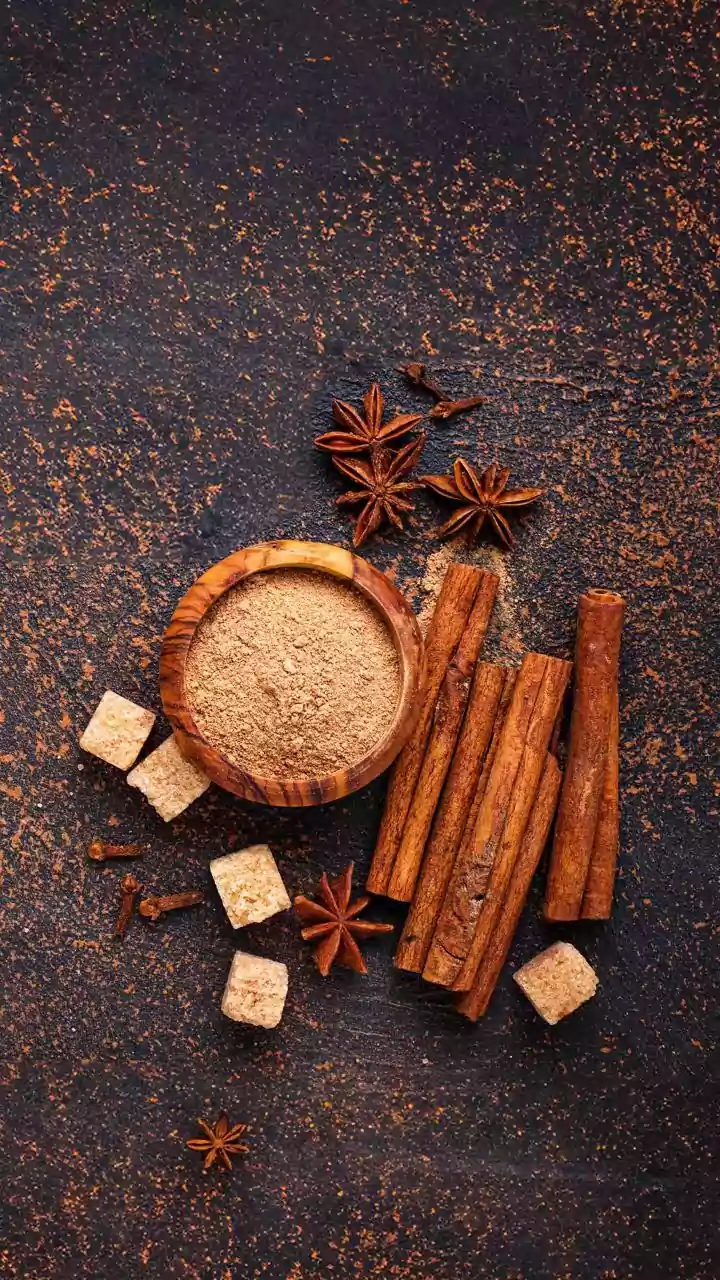
Creating your own botanical teas is simple. For a cold brew, combine your chosen botanicals—be it hibiscus flowers, Aparajita, or even spices like cinnamon and cardamom—with cold, filtered water in a jar. A general starting ratio is about 1-2 tablespoons of dried botanicals per litre of water, but you can adjust to your preference. Let it steep in the refrigerator for 8 to 12 hours. For roots like vetiver or fruits like bael, a hot infusion may work better to extract the flavours. Simply boil them in water, let the liquid cool completely, and then refrigerate. Feel free to experiment by combining botanicals or adding fresh garnishes like mint leaves and citrus slices to create your signature blend.