
More Than a Passing Trend
For decades, the Indian kitchen pantry underwent a quiet standardisation. The Green Revolution, while critical for food security, heavily favoured the mass production of wheat and polished rice, pushing a vast diversity of regional staples into the background.
Grains like jowar, bajra, and countless varieties of local rice were slowly relegated to rural kitchens or considered 'poor man's food'. But the tide is turning. A powerful combination of health consciousness, a desire for authenticity, and a renewed appreciation for sustainable food systems is driving a major comeback. Consumers are actively seeking out these once-forgotten ingredients, and a wave of new brands and home chefs are making them more accessible than ever.
The Mighty Millet Revolution
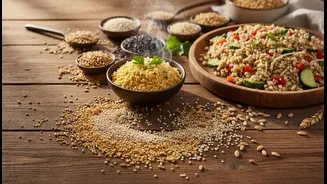
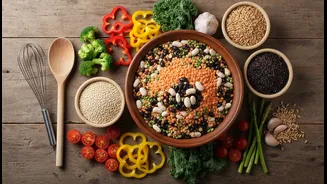
At the forefront of this movement are millets. Once a dominant staple, these ancient grains are being rediscovered for their impressive nutritional profile and climate resilience. Millets like ragi (finger millet), jowar (sorghum), and bajra (pearl millet) are naturally gluten-free, rich in fibre and minerals like iron and calcium, and have a lower glycaemic index than refined rice and wheat. This makes them ideal for managing modern lifestyle concerns. Government initiatives, including the push around the International Year of Millets, have significantly boosted awareness, while innovative food startups are making them easy to use in everything from dosa batters to breakfast cereals and even beer. Studies show a significant number of urban households have now incorporated millets into their weekly meals.
Beyond the Grains of Truth
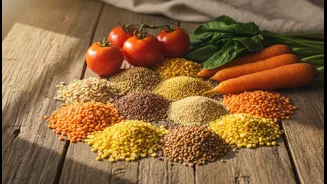
This revival extends far beyond just millets. Heirloom rice varieties, each with a unique aroma and flavour, are finding their way back to urban tables. Fragrant Gobindobhog from West Bengal, nutrient-dense Joha from Assam, and others that were once on the verge of being lost are now being cultivated and prized for their distinct qualities. Similarly, traditional sweeteners like jaggery and palm candy are replacing refined white sugar on kitchen shelves. Regional condiments are also being reimagined, with everything from fiery Andhra pickles to fermented carrot kanji and dry chutney powders finding a modern audience that craves authentic, bold flavours without artificial additives.
The Health and Wellness Connection
A huge driver of this comeback is a deeper understanding of nutrition and gut health. Traditional Indian food logic, which emphasizes eating seasonally and using simple, unprocessed ingredients, is now being validated by modern science. Foods that were once everyday essentials, like buttermilk, sattu sharbat, and curd rice, are being embraced for their cooling and digestive properties. The focus has shifted from calorie-counting to nutrient density. Consumers are realising that these regional staples offer a powerhouse of vitamins, minerals, and fibre that are often lacking in more processed diets. This return to the basics is seen less as a step back and more as a smart, practical approach to long-term wellness.
A Boost for Local Economies and Sustainability
Choosing a regional staple is not just a dietary choice; it's an economic and environmental one. This growing demand supports small-scale farmers who cultivate these indigenous crops, which are often more resilient to local climate conditions and require far less water than commercial rice and wheat. It fosters biodiversity by saving heirloom seeds from extinction. As home chefs and new-age brands build supply chains to bring these products to market, they create a virtuous cycle that strengthens local economies and promotes a more sustainable way of eating. This movement reconnects consumers to the source of their food, making every meal a celebration of India's rich culinary heritage.