


The Shoulder Season Shift
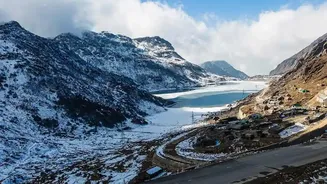
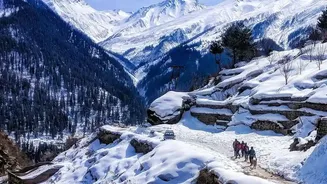
Early winter, spanning from late October to early December, is a transitional period in the high-altitude valleys of Himachal Pradesh, Uttarakhand, and Ladakh. It's a time when the post-monsoon clarity offers stunning views, but temperatures begin to drop
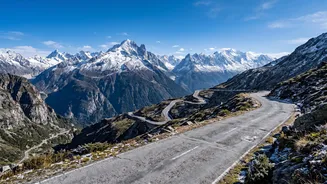
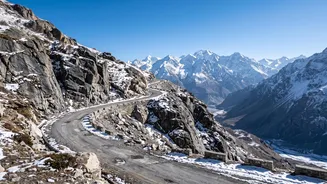
significantly, especially at night. This season is often favoured by those seeking tranquillity, as the summer and autumn crowds have dissipated. However, this peace comes with a trade-off: not all services operate at full capacity. The accessibility of certain areas, particularly high-altitude passes like Kunzum La (connecting Spiti to Manali), becomes uncertain as snowfall can lead to road closures from mid-October onwards. Travellers must prioritize flexibility, as a fixed itinerary can be easily disrupted by changing weather.
Accommodation: Homestays and Heated Hotels
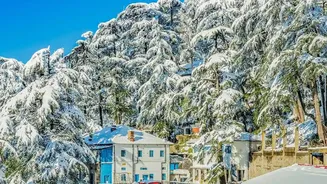
As the cold sets in, the spectrum of available accommodation narrows. In lower-altitude destinations like Shimla, Manali, and parts of Uttarakhand, most hotels remain open, preparing for the winter tourist season. However, in more remote regions like Spiti or Ladakh, many seasonal guesthouses and camps close down. What remains are often the most resilient and prepared establishments. In Ladakh, for instance, a limited number of hotels in Leh stay operational, with a strong emphasis on properties with central heating systems to combat the freezing temperatures. Traditional Ladakhi homes often use 'Bukhari', a wood-burning stove, for heat. Homestays become a particularly valuable and intimate option during this period. They offer a unique cultural immersion, allowing travellers to experience local life and hospitality up close, often sharing meals and stories by a warm fire. These stays provide not just a room, but a chance to understand how communities adapt to the harsh environment.
Dining and Cafes: A Quieter Scene
The vibrant café culture of Himalayan hotspots transforms in the early winter. Many of the seasonal, open-air cafes that thrive in summer shut down as temperatures fall. In towns like Kaza in Spiti Valley, a selection of guesthouses and a few local restaurants remain open, but the choices are fewer than in peak season. This is a time for enjoying local, hearty cuisine. In Ladakh, you are more likely to find traditional fare in the remaining open establishments. The focus shifts from trendy menus to nourishing, warming meals that are staples of the local diet. For travellers, this means that while you may not find a wide variety of international cuisines, you will have an authentic culinary experience. It is always wise to confirm dining options with your hotel or homestay, as many provide in-house meals, which can be the most reliable and convenient choice, especially in more isolated villages.
Getting Around: Transport and Accessibility
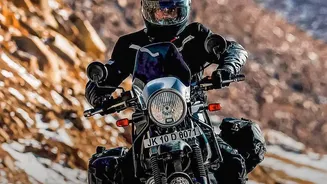
Transportation is arguably the biggest challenge of travelling during this shoulder season. While the main highways to many popular towns remain open, higher roads are subject to closure. The Manali-Leh highway and the road to Spiti via Kunzum Pass typically close by late October or early November due to snow and ice. The route to Spiti via Shimla and Kinnaur generally remains open longer, making it the more reliable access point for a winter trip. Local transport availability may also decrease. The number of shared taxis and local buses might be reduced, requiring more advance planning or the hiring of private vehicles. Road conditions can be unpredictable, with risks of ice, snow, and landslides, especially after fresh precipitation. It's crucial for travellers to build buffer days into their itineraries and check road status updates from local authorities before setting out each day.
Activities and Experiences
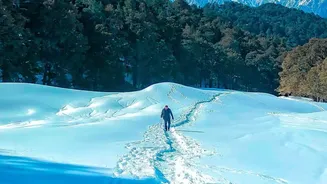
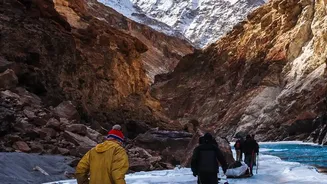
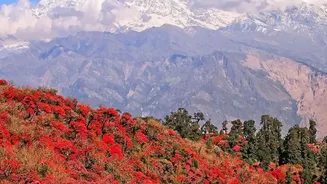
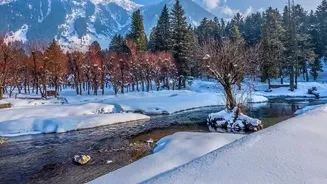
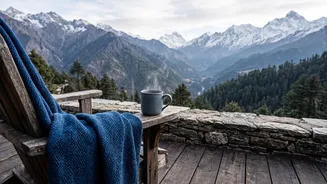
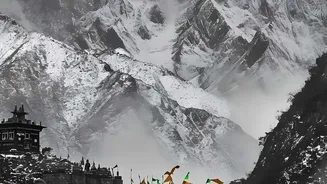
While some high-altitude treks become inaccessible, early winter opens up other opportunities. It's an excellent time for lower-altitude hikes, monastery visits, and cultural exploration without the distraction of large crowds. The clear, crisp air often provides some of the best mountain views of the year. This is a season for introspection and connection. The slower pace of life allows for more meaningful interactions with local communities. In Ladakh, a limited number of winter-friendly homestays cater to those seeking the rare chance to spot a snow leopard. Photographers are rewarded with stark, beautiful landscapes often dusted with the first snows of the season. The experience shifts from a packed tourist schedule to a more serene and personal journey, focused on the raw beauty of the mountains and the warmth of their people.