
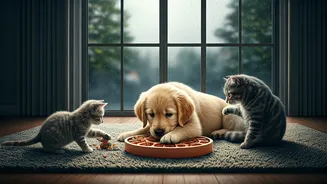


Embrace Brain Games
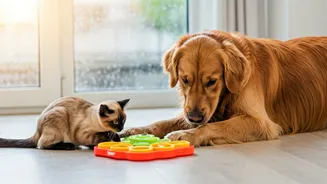
Mental stimulation is just as important as physical exercise. Engaging your pet's mind can be incredibly tiring for them in the best way possible. Scent work is a fantastic way to do this for dogs, who have a powerful sense of smell. Start with a simple
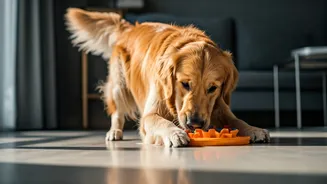
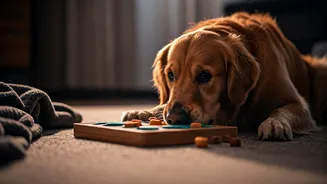
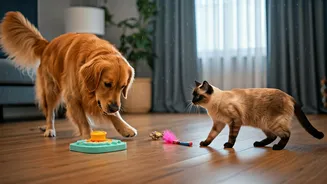
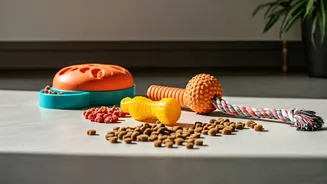
“find it” game: have your dog stay while you hide a high-value treat, then release them with the command to find it. You can also use a muffin tin, place treats in some of the cups, and cover all of them with tennis balls, encouraging your dog to figure out which ones hide a reward. For both dogs and cats, puzzle feeders and lick mats are excellent tools. They make mealtime a challenging game, slowing down fast eaters and providing crucial mental enrichment.
Create an Indoor Playground for Dogs
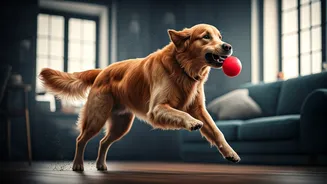
You don’t need special equipment to tire out your dog; your living room can become an adventure zone. A game of hide-and-seek, where family members hide and call the dog, is a fun way to get them moving and using their senses. A gentle game of fetch in a hallway with a soft toy can also help burn off energy without breaking any furniture. For a more structured activity, create a DIY agility course. Use chairs and a broomstick to make a low jump, line up plastic cups for them to weave through, and use a large cardboard box as a tunnel. Always supervise these activities, keep them positive with lots of praise, and ensure the setup is safe.
Encourage Feline Fitness
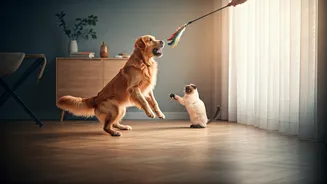
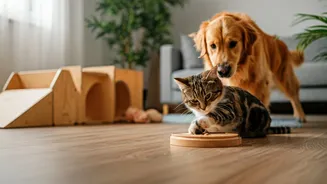
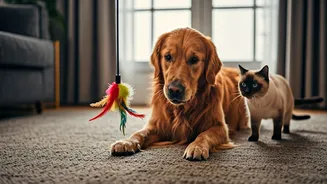
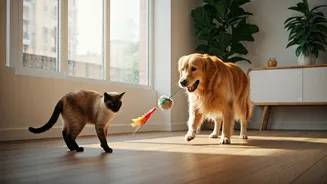
Cats, especially indoor ones, need encouragement to stay active. The key is to appeal to their natural hunting instincts. Wand toys with feathers or strings are classic for a reason; moving them in an unpredictable way mimics prey and entices your cat to chase, jump, and pounce. Laser pointers can also be effective, but it's important to end the session by letting them 'catch' a physical toy or a treat to avoid frustration. Even a simple cardboard box or a crumpled paper bag can provide hours of entertainment as a self-play toy. Don't underestimate the power of fetch for cats either; many enjoy chasing after a small toy or even a piece of their kibble.
Utilize Vertical Space for Cats
Cats love to climb, and giving them opportunities to do so is a great form of exercise. A multi-level cat tree is a fantastic investment, providing a place to climb, scratch, and survey their kingdom. If you have the space, consider installing floating shelves to create a vertical pathway along a wall. Placing these structures near a window is an added bonus, as watching birds and outside activity provides excellent mental stimulation. This encourages them to jump and climb, using different muscles and keeping them agile and fit without you having to actively play with them every moment.
Incorporate Training Sessions
The rainy season is the perfect time to brush up on old commands or teach your pet a new trick. Short, positive training sessions are a powerful form of mental exercise that can leave a pet just as tired as a long walk. For dogs, you can practice basics like 'sit' and 'stay' or work on something more complex. For cats, you can use treats to teach them to come when called, sit, or even high-five. These sessions not only prevent boredom but also strengthen the bond between you and your pet.
Make the Most of Dry Spells
While indoor activities are crucial, it’s important to seize any opportunity for outdoor time. When the rain pauses, even for a little while, take your dog out for a quick walk. These breaks are essential for both physical exercise and potty needs. Be prepared for muddy paws by keeping a towel and pet-safe wipes near the door for easy clean-up. Investing in a good quality raincoat can also make walks in a light drizzle more comfortable for both you and your dog, ensuring they still get some fresh air.