



The Rising Tide of Identical Applications
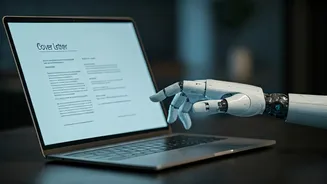
Hiring managers are facing a deluge of applications that, thanks to generative AI, look strikingly similar. [11] James Reed, a recruitment agency CEO, recently highlighted that employers are being flooded with cover letters and CVs that use the same phrasing
because candidates are all using the same prompts on tools like ChatGPT. [11] This creates a paradoxical situation: in an effort to stand out with a polished letter, applicants are accidentally blending into a sea of sameness. When everyone uses the same tool, the output starts to look uniform, making it incredibly difficult for a candidate's unique value to shine through. The very technology meant to give you an edge is creating a new form of camouflage, making authentic applications more valuable than ever.
Red Flags That Scream 'AI-Generated'
Recruiters are becoming adept at spotting the tell-tale signs of an over-reliance on AI. One of the biggest giveaways is overly formal or complex language, such as using “utilised” instead of “used,” or describing skills as a “comprehensive skillset.” [1] AI models often produce text that is grammatically perfect but lacks a human touch, feeling soulless and generic. [2, 4] Other red flags include the repetition of buzzwords like “highly motivated individual” or “dynamic team player” without specific examples to back them up. [2, 15] Inconsistencies between the tone of the cover letter and the CV, or a mismatch between an entry-level candidate using executive-level jargon, also raise suspicion. [1, 15] Some hiring managers even report that up to 80% dislike seeing AI-generated content in applications, viewing it as a sign of low effort. [10]
The Authenticity and Personality Gap
Beyond stylistic quirks, a purely AI-written letter fails at the most crucial task: conveying your genuine interest and personality. [14] A cover letter is your first, and sometimes only, chance to tell a story that your CV cannot. It’s where you connect your personal journey and motivations to the company's mission. AI cannot fake genuine enthusiasm or a personal connection to a role. [14, 16] It often produces text that could apply to any company by simply swapping out the name, which shows a lack of specific interest. [13] This damages your credibility because it suggests you haven't invested the time to understand what makes the organisation unique. In a competitive market, hiring managers are looking for candidates who are not just qualified, but also passionate and culturally aligned. A generic letter signals you might be neither.
Using AI as an Assistant, Not a Ghostwriter
The solution isn't to abandon AI entirely, but to use it smartly. Think of ChatGPT as a helpful assistant, not the author of your application. Use it to overcome writer's block by generating a first draft or an outline. [8, 12] You can provide it with the job description and bullet points from your resume and ask it to structure a letter or suggest key points to include. [8, 9] This can save time and help you organize your thoughts. However, the critical next step is to take that raw output and infuse it with your own voice and specific experiences. Rewrite sentences, add personal anecdotes, and ensure the tone reflects your personality. The AI provides the skeleton; you must provide the heart and soul.
The Final, Human-Centric Polish
Before you hit 'submit,' your AI-assisted draft needs a thorough human review. First, read the entire letter out loud. Does it sound like you? Or does it sound like a corporate robot? [20] Remove any jargon or phrasing that feels unnatural. Second, verify every claim. AI models can sometimes exaggerate or even invent details, and it's your responsibility to ensure every statement is accurate and can be backed up in an interview. [6, 12] Finally, ensure the letter directly answers the 'why you?' and 'why this company?' questions with concrete examples. Connect your past achievements to the specific problems and needs mentioned in the job description. This final, personal touch is what transforms a generic template into a compelling application that makes a real human connection.