







Start Before the First Rain
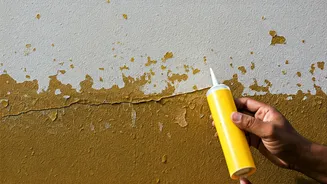
Preparation is your best defence against monsoon moisture. Before the rains set in, conduct a thorough inspection of your home's exterior. Look for cracks in the walls, roof, or around window and door frames, as these are common entry points for water.
Sealing these gaps with quality waterproof sealants can prevent significant water damage later. Pay special attention to your roof and terrace, as they are the first line of defence. Clean your gutters and drainage systems to ensure rainwater flows away from your home's foundation, preventing waterlogging and seepage. Trimming overgrown trees and shrubs near the house can also prevent branches from damaging your roof or walls during strong winds and rain.
Ventilation Is Key
Controlling humidity inside your home is crucial. While it may seem counterintuitive to open windows during the monsoon, proper ventilation is one of the most effective ways to combat dampness. Encourage cross-ventilation by opening windows on opposite sides of a room during dry spells or when the rain subsides. This allows fresh air to circulate and pushes out the damp, stagnant air. Use exhaust fans in kitchens and bathrooms to expel moisture-laden air, especially during and after cooking or showering. Running an air conditioner or even just a fan can also help circulate air and maintain a drier indoor environment.
Protect Your Walls and Wardrobes
Damp walls are a common monsoon complaint, often leading to peeling paint and the growth of mould. If you spot damp patches, it could indicate a leak that needs immediate attention. For persistent dampness, consider applying a fresh coat of waterproof paint before the season starts. Inside the home, especially in closed spaces like wardrobes and cabinets, moisture can get trapped, creating a musty smell and damaging your clothes and belongings. Natural moisture absorbers like silica gel packets, naphthalene balls, or even a bowl of rock salt can be very effective. Some traditional Indian households also use camphor or dried neem leaves, which absorb moisture and act as natural pest repellents. Airing out your cupboards periodically on sunny days can also help.
Care for Wooden Furniture
Wood is hygroscopic, meaning it naturally absorbs moisture from the air, causing it to swell and warp during the monsoon. This is why drawers get stuck and doors become misaligned. To protect your wooden furniture, keep it a few inches away from walls to allow for air circulation. Before the monsoon, applying a fresh coat of polish, wax, or a sealant like lacquer can create a protective barrier against moisture. Wiping down furniture daily with a soft, dry cloth is a simple yet effective habit. Avoid cleaning wooden surfaces with a wet cloth during this season. If mould appears, a solution of white vinegar and water can be used to clean it off immediately.
Ensure Electrical Safety
Moisture and electricity are a dangerous combination. The high humidity during the monsoon increases the risk of short circuits and electrical shocks. It is crucial to get your home's wiring checked by a professional electrician before the season begins. Ensure that all electrical sockets are secure and that there are no exposed wires. Avoid touching switches or appliances with wet hands. Keep electrical cords and extension boards elevated and away from damp floors or walls. During heavy thunderstorms, it is wise to unplug non-essential electronic devices to protect them from potential power surges caused by lightning.
Combat Mould and Mildew
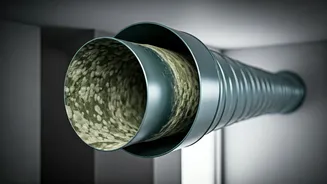
That musty smell in the air is often a sign of mould or mildew, which thrive in damp, poorly ventilated areas. These fungi can trigger allergies and respiratory issues. Prevention starts with controlling moisture. Immediately wipe down any wet surfaces, from condensation on windows to spills on the floor. If you discover mould, which often appears as black, green, or white patches, clean it immediately. A simple solution of white vinegar or lemon juice and water can be effective for cleaning and disinfecting surfaces. For larger infestations, it is best to call a professional. Good airflow, sunlight, and keeping surfaces dry are your best tools in the fight against mould.